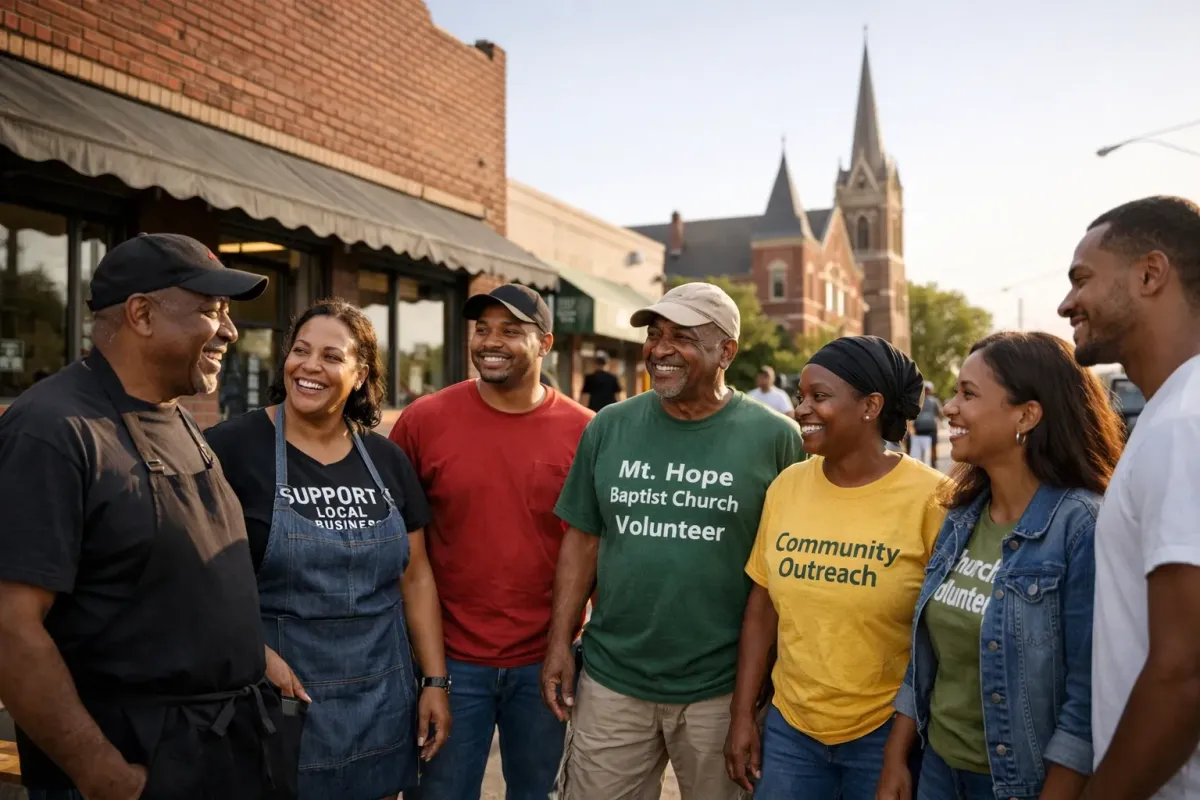
5 Steps How to Build Church-Business Partnerships and Grow Your Local Reach (Easy Guide for Small Business Owners)
5 Steps How to Build Church-Business Partnerships and Grow Your Local Reach (Easy Guide for Small Business Owners)
![[HERO] 5 Steps How to Build Church-Business Partnerships and Grow Your Local Reach (Easy Guide for Small Business Owners)](https://cdn.marblism.com/DTfBBJGMCBt.webp "[HERO] 5 Steps How to Build Church-Business Partnerships and Grow Your Local Reach (Easy Guide for Small Business Owners)")
If you own a small business, you already know that your local community is your lifeblood. You aren't just selling a product or a service; you are part of the neighborhood fabric. But there’s a powerful engine for community growth that many business owners overlook: the local church.
Church and business partnerships aren’t just about putting a logo on a bulletin. When done right, these relationships create a "closed-loop" economy where money stays local, families thrive, and the community grows stronger from the inside out. This is what we call community wealth building.
At The Globalliance Strategic Communities, we believe that technology should serve people, not the other way around. By using simple digital tools, you can bridge the gap between your storefront and the sanctuary. Here is a five-step guide to building a partnership that lasts.
1. Start with a Handshake, Not a Sales Pitch
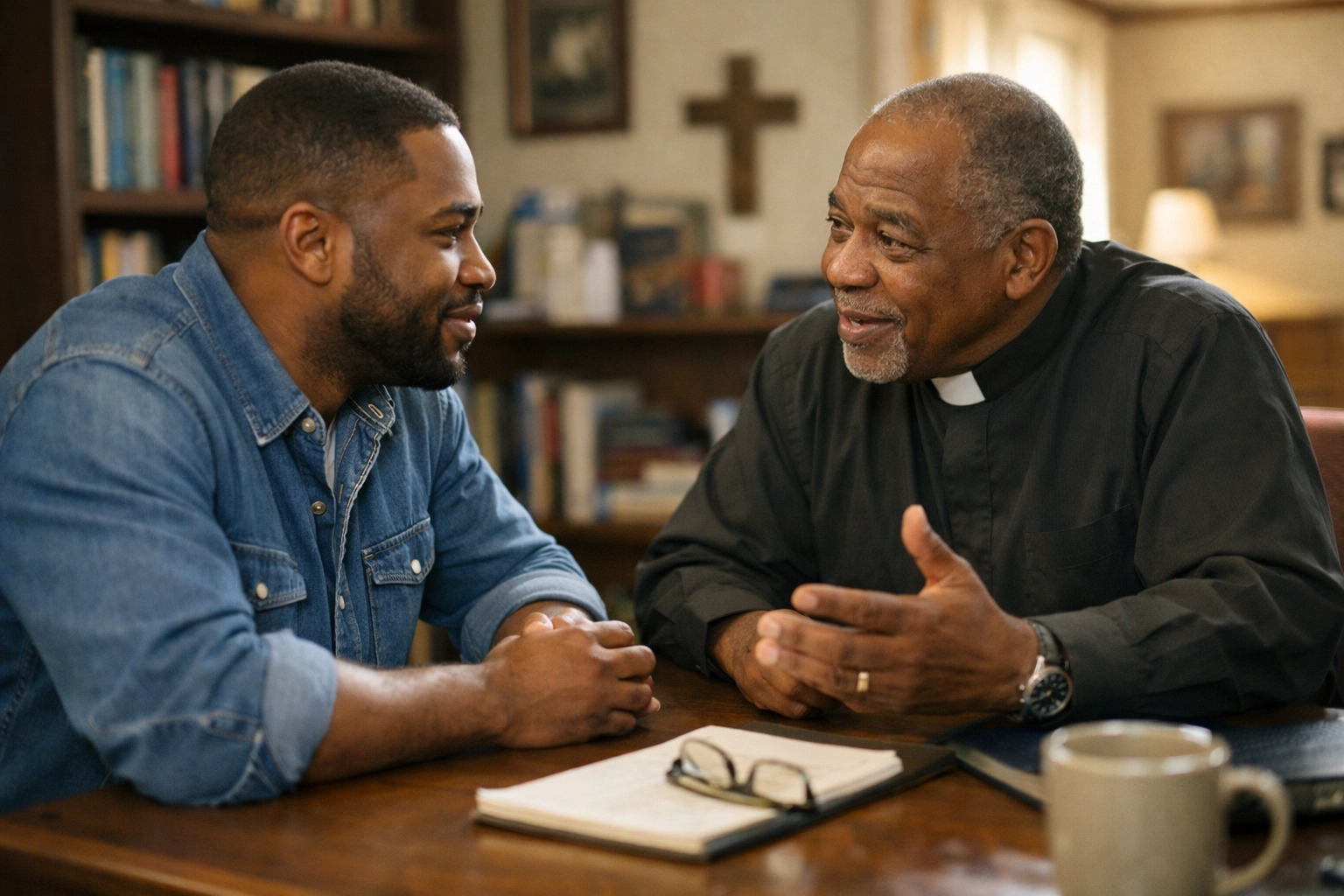
The biggest mistake business owners make is approaching a church like a traditional lead. A church is a family, not a customer list. To build a real partnership, you need to establish a direct connection with the leadership.
Start by reaching out to the pastor or the head of the church’s outreach ministry. Don't go in asking to sell your products. Instead, ask about their vision for the community. Are they trying to help local families with financial literacy? Are they focused on youth development?
When you understand their mission, you can see where your business fits in. Maybe you own a hardware store and the church is fixing up a local playground. That’s a natural fit. At Globalliance Strategic Communities, we’ve seen that the most successful partnerships are built on shared values. When you align your business goals with the church’s heart for the city, magic happens.
2. Show Up for Community Events
Churches are experts at gathering people. From health fairs to back-to-school drives, they know how to fill a room. As a small business owner, these events are your best opportunity to show the community that you care about more than just a transaction.
Don't just write a check and stay home. Participate! If there’s a local market expo, set up a booth. If there’s a job fair, show up to meet potential employees. These local business support programs are essential for creating visibility.
When people see you serving alongside them at a community clean-up or a food drive, they stop seeing you as a "business" and start seeing you as a neighbor. This builds a level of trust that no Facebook ad can ever buy. It’s the foundation of small business community partnerships that actually move the needle.
3. Bridge the Gap with Simple Digital Tools
One of the biggest hurdles in church-business partnerships is communication. The church is busy running ministries, and you’re busy running a business. This is where technology becomes your best friend.
At Globalliance Strategic Communities, we provide digital tools like CRMs, mobile apps, and business directories designed to keep everyone connected. Imagine if the church had a mobile app where members could find a "Preferred Business Directory."
The Power of a Digital Directory
Instead of a paper list that gets lost, a digital directory allows church members to find your business with one tap. It highlights that you are a trusted partner of the faith community.
Staying Connected via CRM
A simple CRM (Customer Relationship Management) tool isn’t just for big corporations. For a church, it’s a way to keep track of their partners. When you use these tools together, you ensure that no one falls through the cracks. It keeps the "local spending impact" high because the congregation always knows where to go when they need a plumber, a lawyer, or a baker.

4. Support Local Employment and Economic Empowerment
True community wealth building happens when we create jobs for the people living right next door. Many churches have employment ministries or programs to help people get back on their feet. This is a goldmine for small business owners looking for dedicated, local talent.
If you are hiring, let the local church know before you post on the big job boards. By partnering with the church’s job-support programs, you are helping to strengthen the local economy.
Why This Matters
When a church member gets a job at a local business, that person spends their paycheck back in the community. This creates a cycle of growth. It’s not just about "charity"; it’s about economic empowerment. You get a reliable employee who is already connected to the community, and the church sees its members flourishing. It’s a win-win for everyone involved.
5. Be Transparent and Authentic
A partnership only works if there is "skin in the game" from both sides. Be honest about what you hope to achieve. If you need more foot traffic to keep your doors open, say that. If the church needs a meeting space or a sponsor for their youth league, they should feel comfortable asking you.
Authenticity means having an open dialogue. Use your digital platforms to share the stories of your partnership. Post a photo of the church’s recent event on your business’s social media. If you are using a church-branded app, send out a message of encouragement to the members.
The goal isn't a one-time transaction; it’s a long-term relationship. When the community sees a business and a church working hand-in-hand, it creates a sense of stability and hope. People want to support businesses that support their values.
The Big Picture: Building Together
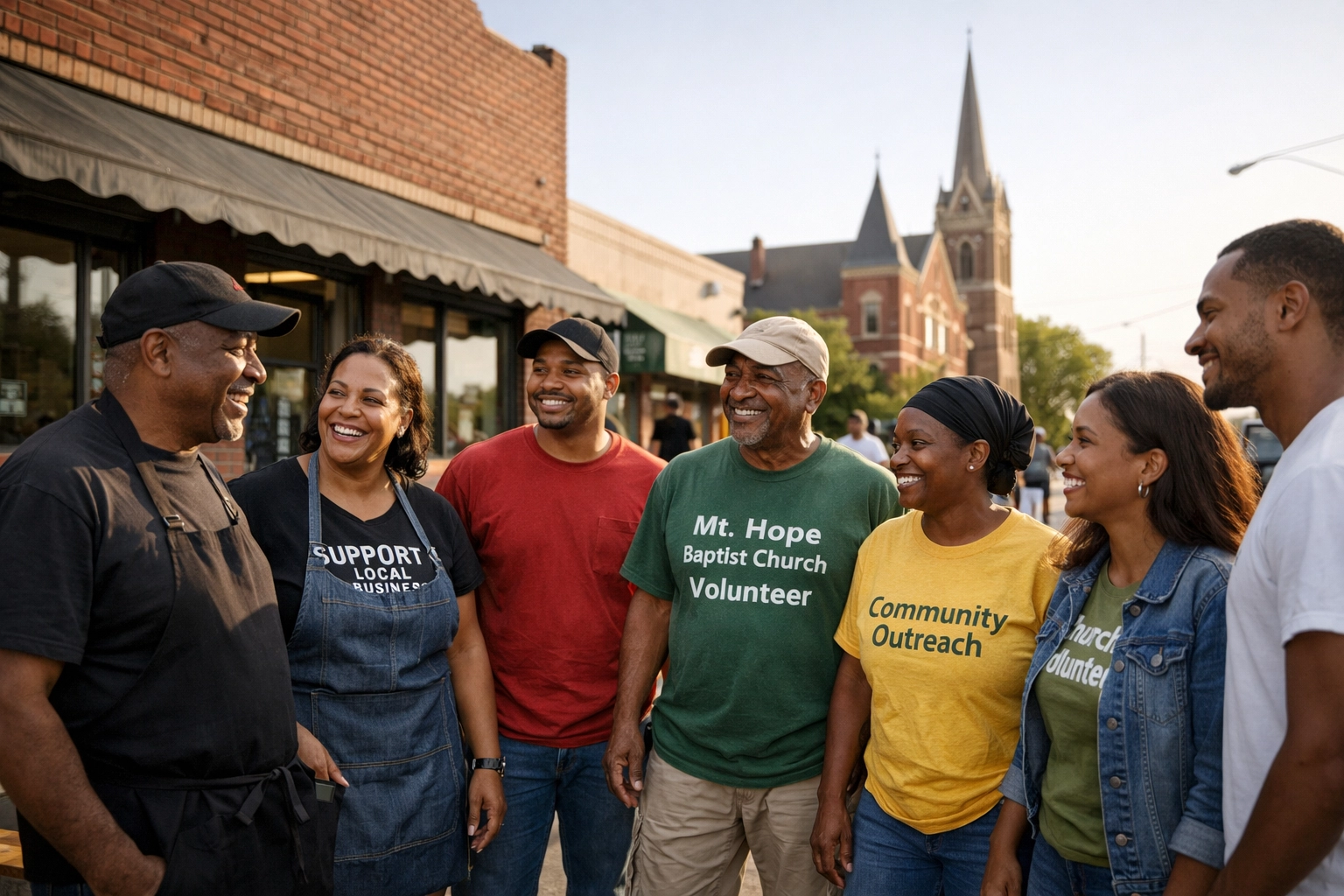
Building a partnership with a local church is one of the most rewarding things you can do as a small business owner. It goes beyond the bottom line: it’s about leaving a legacy in the place where you live and work.
By following these five steps: connecting with leadership, showing up at events, using the right digital tools, focusing on employment, and staying authentic: you can create a lasting impact.
Remember, you don't have to do it alone. At GSC, we are here to provide the platform and the tools you need to make these connections seamless. Whether it's a directory to showcase your business or a mobile app to keep the conversation going, we believe in the power of local.
Let’s stop thinking about business as something separate from the community and start building wealth together. Your reach will grow, your business will thrive, and most importantly, your community will be better for it.
