Building Generational Impact Through Community
Building Generational Impact Through Community
![[HERO] Building Generational Impact Through Community](https://cdn.marblism.com/0ITvkLKjMW3.webp "[HERO] Building Generational Impact Through Community")
Most of us think in timelines that are too short. We measure success by quarterly reports, annual budgets, or five-year plans. But what if the work you're doing today could reshape your community for the next fifty years? What if the decisions you make this week could provide stability for children who aren't even born yet?
That's the power of building generational impact through community. It's not just about helping people today: it's about creating systems, relationships, and economic structures that sustain families for decades. And for faith-based leaders and business owners, this kind of legacy-building isn't optional. It's the calling.
What Generational Impact Really Means
Generational impact isn't a buzzword. It's what happens when communities stop putting out fires and start building foundations. It's the difference between giving someone a meal and teaching an entire neighborhood how to produce, distribute, and profit from food within their own square mile.
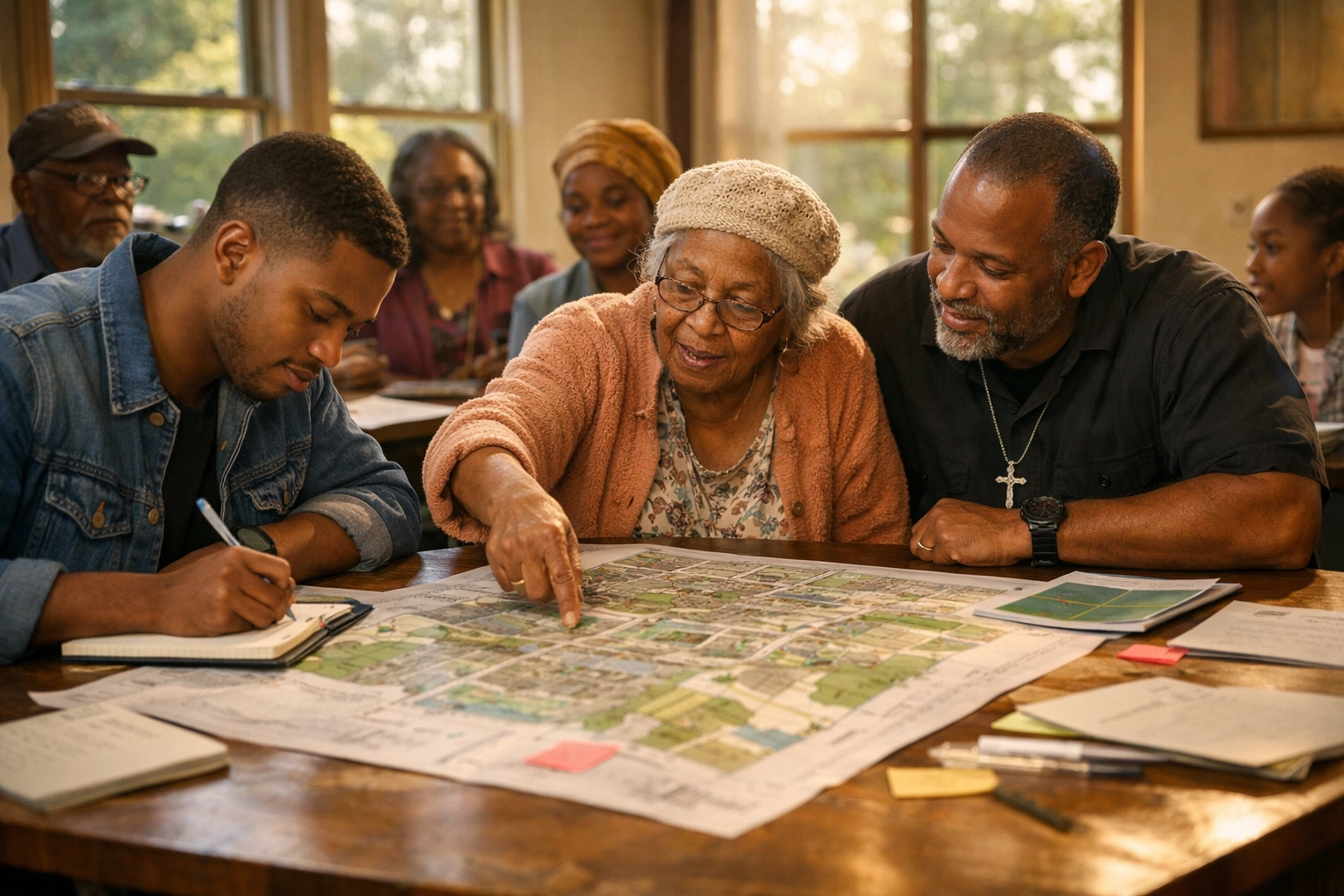
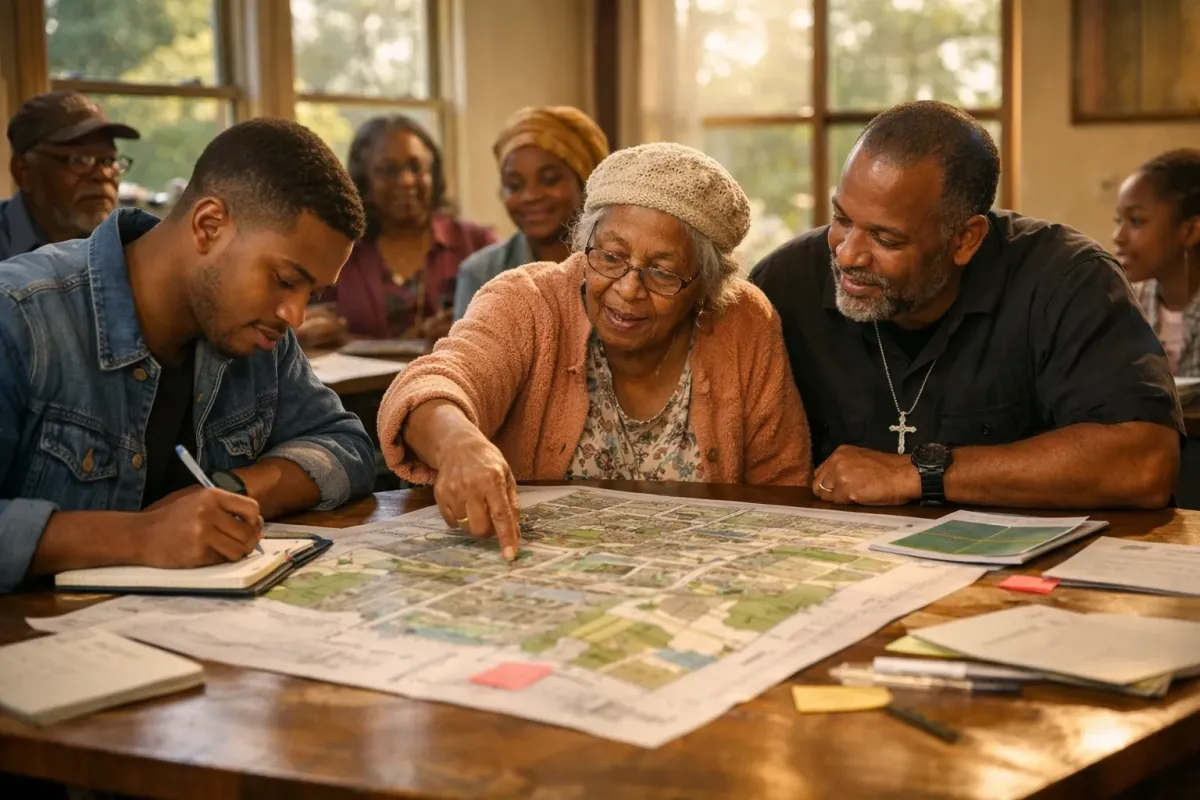
When we talk about generational impact, we're talking about three core things: economic sustainability, social cohesion, and spiritual legacy. Each one depends on the others. You can't build wealth without trust. You can't sustain community without purpose. And you can't create lasting change without all three working together.
The GSC model: rooted in the "Square Mile" approach: recognizes this. It's built on the understanding that real transformation doesn't happen when outsiders parachute in with solutions. It happens when local leaders, business owners, and faith communities work together to build a closed-loop economy that keeps resources, relationships, and wealth circulating within the neighborhood.
The Problem: Breaking Cycles vs. Building Legacies
Here's the hard truth: most community outreach programs are designed to break cycles, not build legacies. They address immediate needs: hunger, homelessness, unemployment: but they don't address the systems that create those needs in the first place.
Breaking a cycle is good. It's necessary. But it's not enough. If you spend all your energy rescuing people from a broken system without building a better one, you'll be rescuing people forever. Your children will inherit the same problems you tried to solve.
Building a legacy is different. It means creating pathways to ownership, not just employment. It means designing programs that strengthen families across generations, not just individuals in crisis. It means thinking fifty years ahead and asking: What will this neighborhood look like when my grandchildren are raising their own kids here?
This is where the Square Mile model becomes transformative. Instead of scattering resources across a wide area with minimal impact, it focuses energy on a defined geographic space. Within that square mile, churches partner with local businesses, residents invest in each other, and every dollar spent becomes a building block for the next generation.
The Square Mile Model and Long-Term Thinking
The Square Mile model works because it aligns with how communities actually function. People don't live in abstract networks: they live in neighborhoods. They shop at corner stores, worship at local churches, send their kids to nearby schools. When you strengthen those hyperlocal connections, you create a foundation that can last for generations.
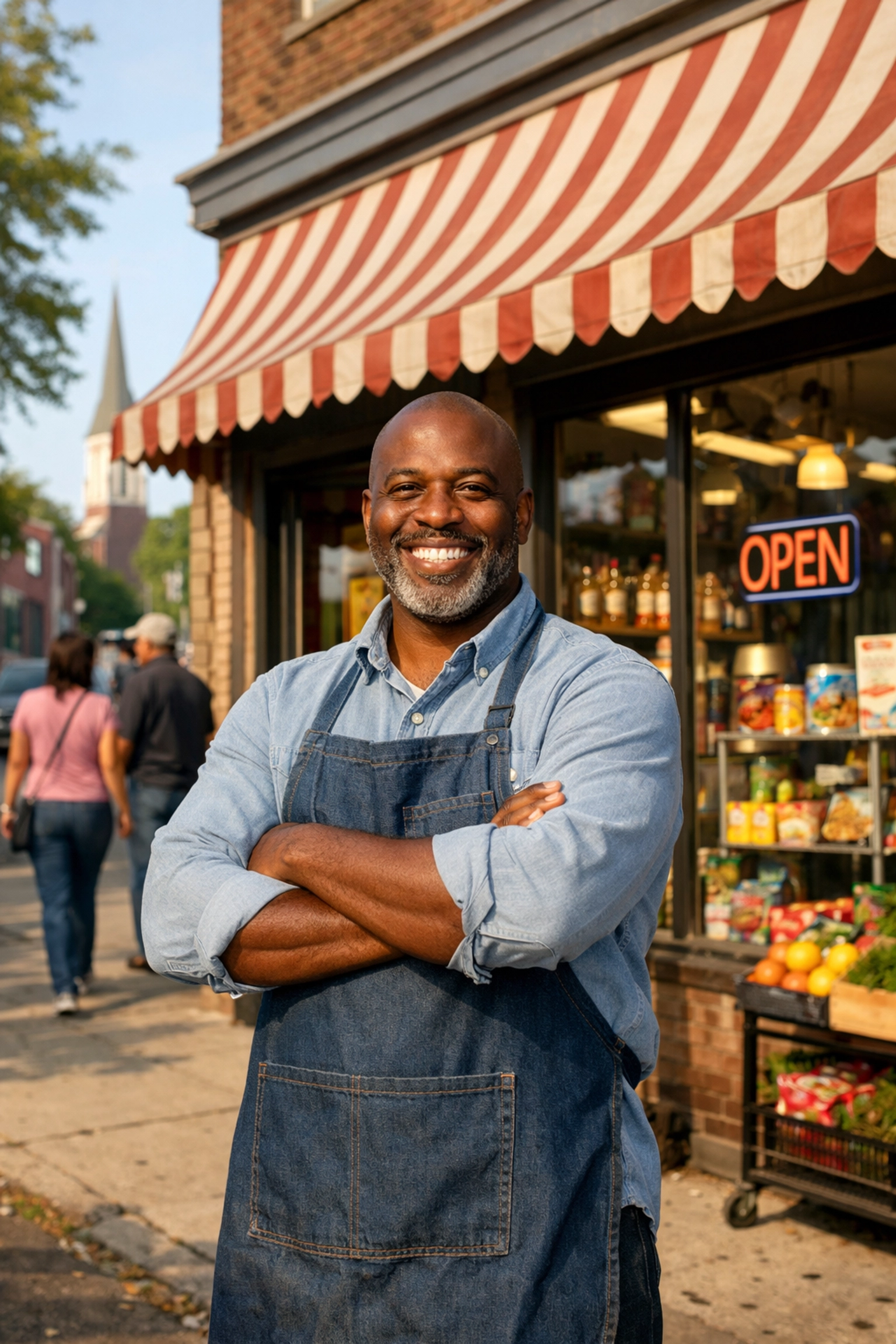
Here's what this looks like in practice. A church identifies the businesses, schools, and nonprofits within a square mile of their building. They begin coordinating outreach efforts, connecting business owners with families who need jobs, and creating partnerships that keep money circulating locally. Instead of residents driving across town to spend money at a chain store, they support a neighbor's business. That neighbor hires from the community. Those employees spend their paychecks in the same square mile.
Over time, this closed-loop system builds wealth that stays in the community. Children grow up seeing business ownership as achievable. Families accumulate assets they can pass down. The neighborhood becomes more stable, more invested, and more capable of solving its own problems without depending on outside intervention.
This is generational impact. It's not flashy. It doesn't produce viral moments or dramatic before-and-after photos. But it produces something far more valuable: sustainability.
Economic Empowerment as Inheritance
One of the most overlooked aspects of generational impact is wealth building within the community. We often talk about spiritual inheritance: passing down faith, values, and wisdom. But we don't talk enough about economic inheritance, and that's a mistake.
Economic empowerment isn't just about helping individuals climb out of poverty. It's about creating conditions where entire communities can accumulate assets, own property, and build businesses that their children can inherit. It's about making sure that the hard work people do today translates into stability for the next generation.
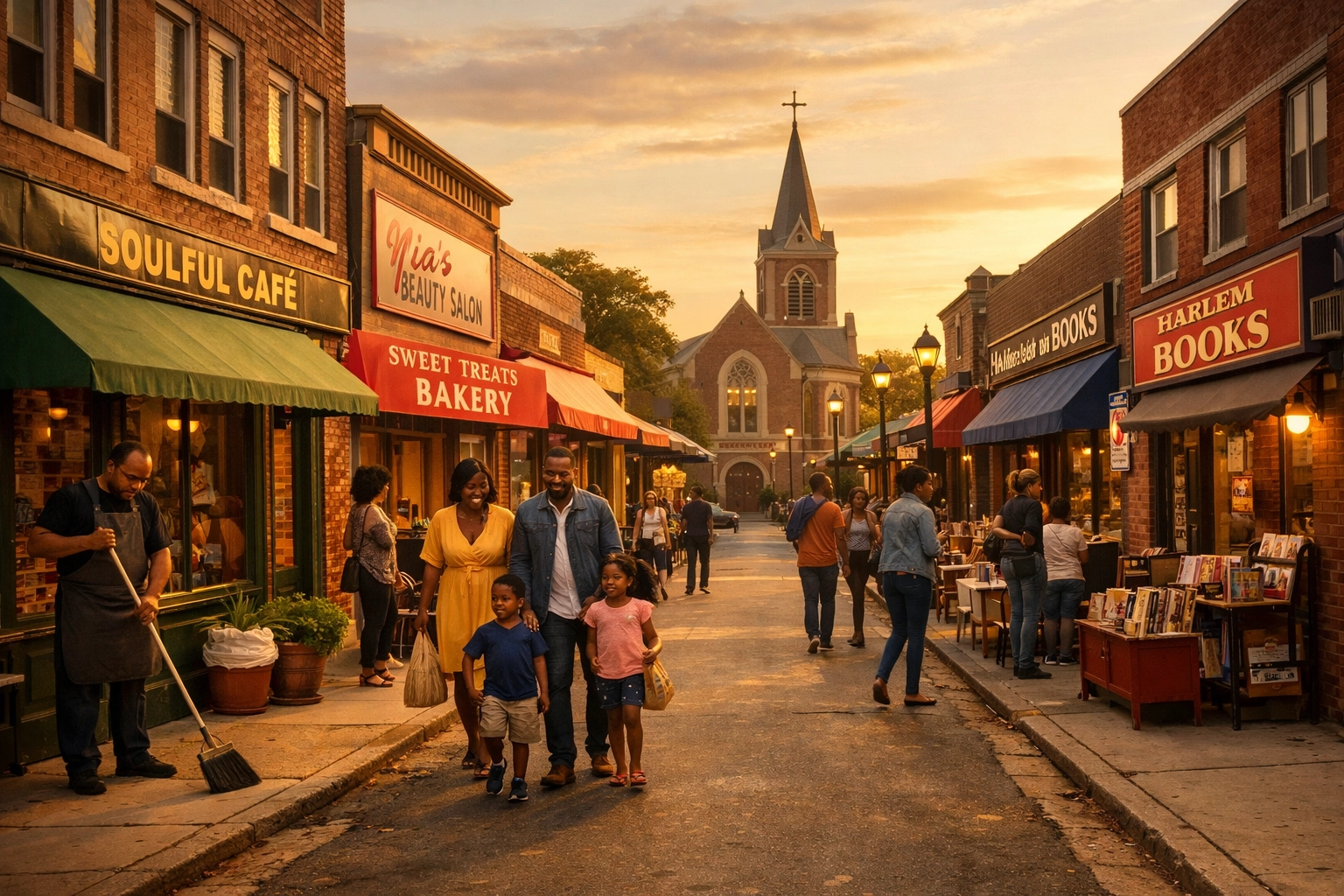
The GSC model prioritizes this by focusing on business partnerships and entrepreneurship. When churches connect members with local business training, seed funding, or mentorship, they're not just helping someone start a business. They're creating a potential source of income for that person's children and grandchildren. They're building equity that can be passed down.
This is especially critical in communities that have been historically excluded from wealth-building opportunities. Generational poverty doesn't happen by accident: it's the result of generations being denied access to capital, property ownership, and business development. Breaking that pattern requires intentional, sustained effort to create new pathways to ownership and investment.
When business owners within a square mile commit to hiring locally, sourcing from local vendors, and reinvesting profits into the community, they're participating in something bigger than their individual success. They're building an economic ecosystem that can sustain families for decades.
Faith, Community, and Sustainable Growth
For faith-based leaders, this work isn't separate from ministry: it is ministry. The Bible is full of language about inheritance, legacy, and building for future generations. God doesn't just call us to feed the hungry today; He calls us to create communities where hunger becomes rare.
Sustainable growth happens when spiritual development and economic development work together. When people find purpose, they're more motivated to build. When they experience economic stability, they have the margin to invest in others. When they're connected to a faith community, they have the support system to weather setbacks and keep moving forward.
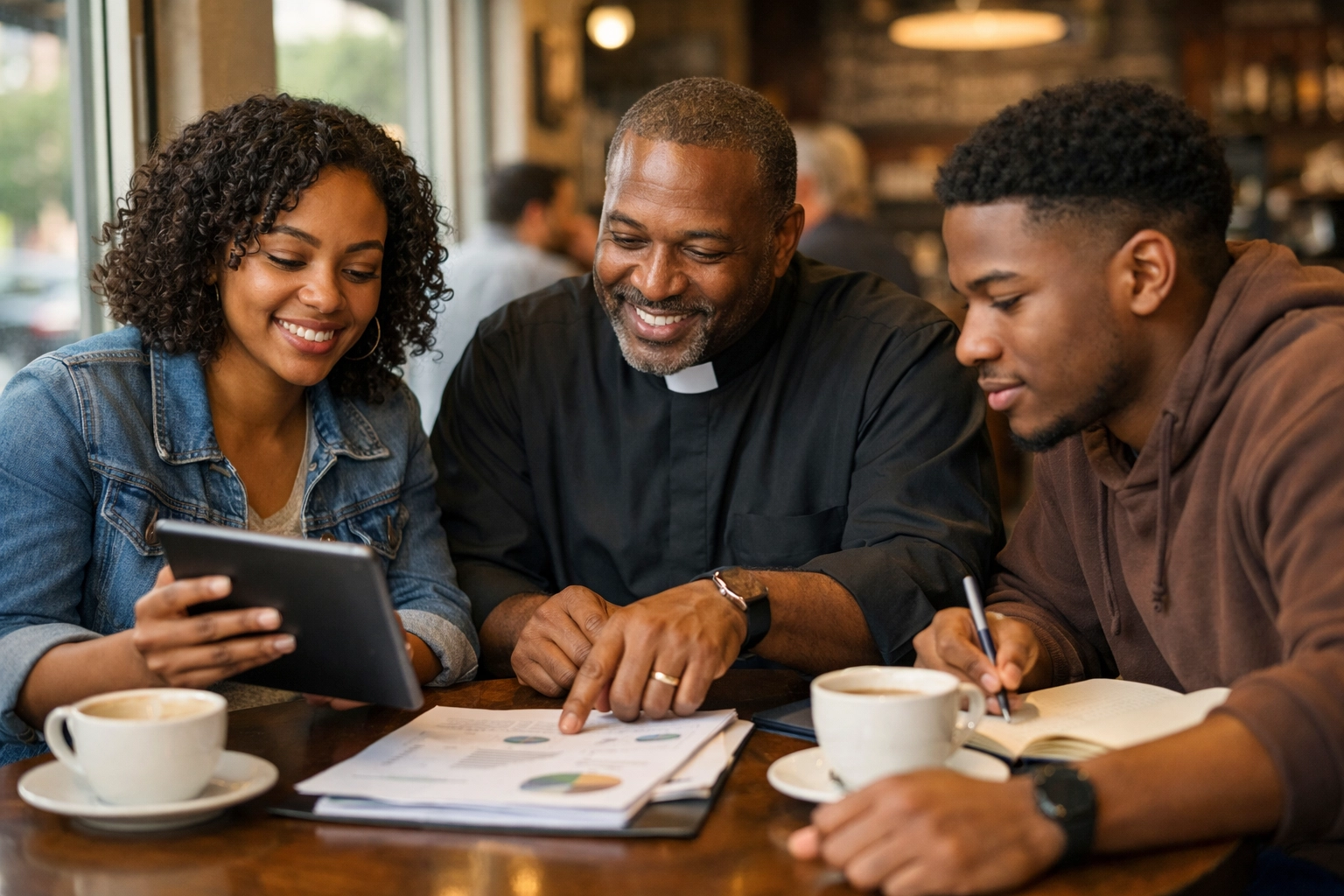
This is why the GSC model integrates faith-based leadership into every aspect of community development. Churches aren't just service providers: they're anchor institutions that hold the community together across generations. They're places where young people learn values that shape how they run businesses. They're networks where partnerships form and trust is built.
A thriving square mile isn't just a place with good schools and successful businesses. It's a place where people know their neighbors, where older generations mentor younger ones, and where the community has a shared sense of purpose that transcends individual success.
Your Role in the Legacy
If you're a faith leader or business owner, you have more influence than you probably realize. The decisions you make today: who you hire, where you spend money, how you structure your outreach programs: have ripple effects that extend far beyond what you can see right now.
Building generational impact doesn't require a massive budget or a complex strategy. It requires a shift in perspective. It requires asking different questions: Who will benefit from this decision ten years from now? How does this program build capacity, not just meet immediate needs? Am I creating dependency or empowerment?
It also requires collaboration. No single church, business, or nonprofit can transform a community alone. But when everyone within a square mile commits to the same vision: when they stop competing for credit and start building together: extraordinary things become possible.
The GSC platform exists to support this kind of collaboration. It's designed to help faith leaders coordinate outreach, connect with local businesses, track community impact, and build the partnerships that make generational change possible. It's not about adding more work to your plate. It's about making the work you're already doing more effective and more sustainable.
The legacy you build today will outlive you. The systems you create, the relationships you nurture, and the economic pathways you establish will shape the lives of people you'll never meet. That's the weight of leadership, but it's also the privilege.
Building generational impact through community isn't easy, but it's worth it. And you don't have to do it alone. When faith leaders, business owners, and residents come together around a shared vision for their square mile, they create something that no outside program can replicate: a community that sustains itself, heals itself, and grows stronger with every generation.
What will your square mile look like fifty years from now? The answer starts with what you build today. Learn more about how GSC can support your vision.
