Why Communities Struggle Without Economic Structure
Why Communities Struggle Without Economic Structure
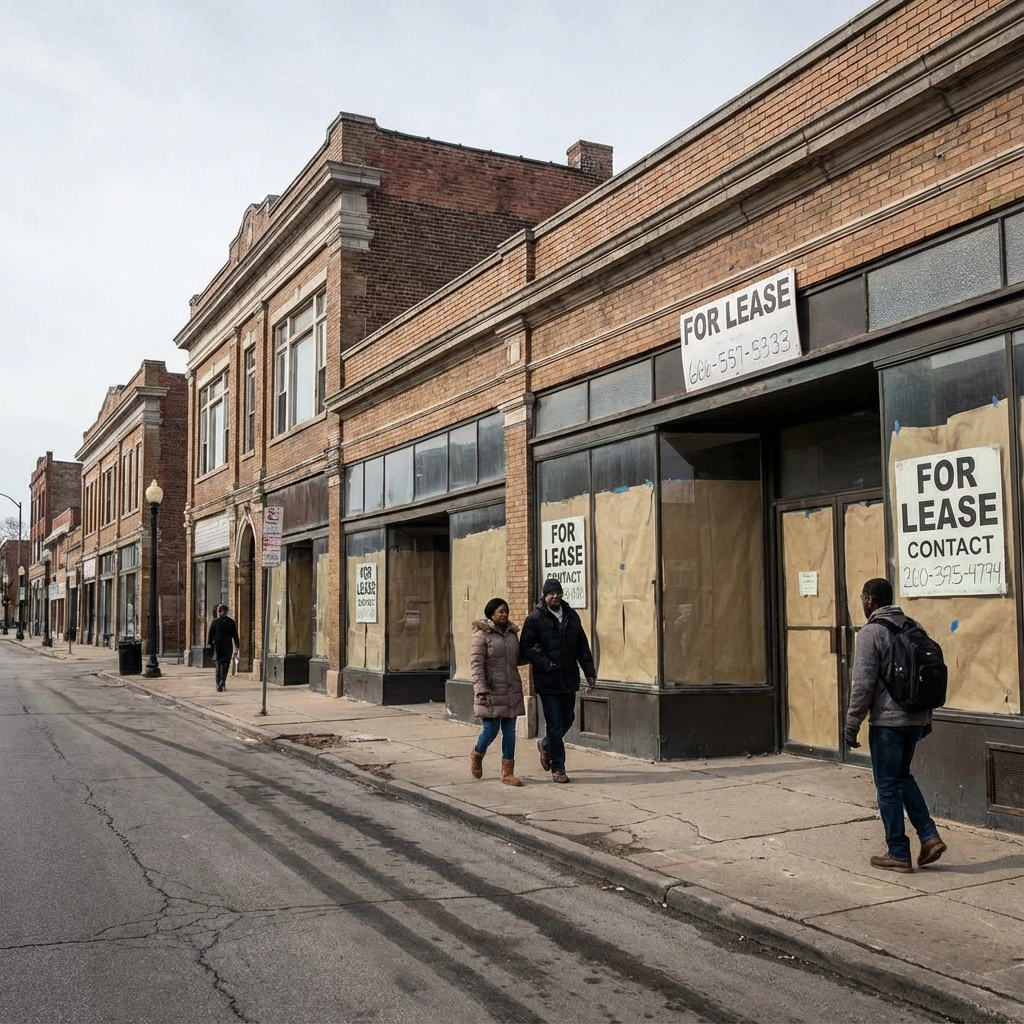
Walk through any struggling neighborhood, and you'll notice the same patterns. Empty storefronts line the main streets. Young adults pack up and leave for opportunities elsewhere. Local businesses that once anchored the community have closed their doors. These aren't random occurrences: they're symptoms of communities lacking proper economic structure.
When communities don't have systems in place to create, circulate, and retain wealth locally, families and entire neighborhoods suffer the consequences. Understanding these challenges is the first step toward building stronger, more resilient communities.
What Economic Structure Really Means for Communities
Economic structure isn't just about having businesses in town. It's the network of systems, relationships, and resources that help money flow through a community in ways that benefit residents.
Strong economic structure includes local businesses that hire from the community, financial institutions that invest locally, and pathways for residents to build skills and start enterprises. It means having support systems for entrepreneurs and policies that encourage local spending.
Without this foundation, communities become economically fragile. Money earned locally leaves quickly, creating what economists call "economic leakage."
The Job Desert Problem
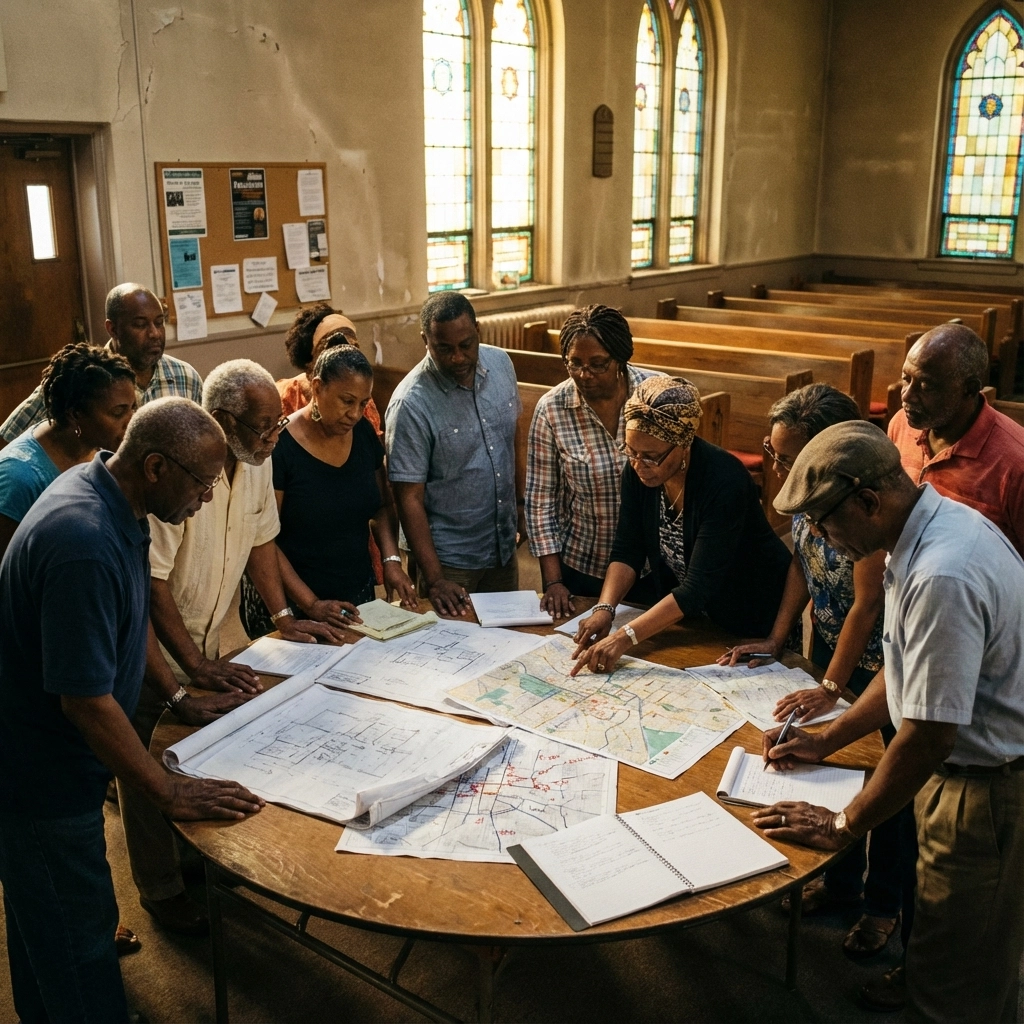
One of the most visible signs of weak economic structure is limited employment opportunities. When communities lack diverse local businesses and job creation initiatives, residents face difficult choices.
Many talented individuals leave to find work elsewhere, creating a brain drain that weakens the community further. Those who stay often face long commutes to distant jobs or settle for positions that don't match their skills and aspirations.
This job scarcity particularly impacts young adults and families trying to establish roots. Without local career paths, building generational wealth becomes nearly impossible.
When Local Businesses Can't Survive
Communities without strong economic structure struggle to support local entrepreneurs and small businesses. New ventures lack access to startup capital, business mentoring, and customer networks needed to thrive.
Existing businesses face challenges competing with larger chains that can offer lower prices but don't reinvest locally. When these businesses close, it creates a domino effect: fewer local services, fewer jobs, and less economic activity overall.
The absence of business support systems means entrepreneurs often work in isolation, missing opportunities for collaboration and shared resources that could strengthen multiple ventures simultaneously.
The Wealth Drain Cycle
Perhaps the most damaging aspect of poor economic structure is how quickly money leaves the community. Residents earn income but spend most of it at businesses owned by outsiders or corporations headquartered elsewhere.
This creates a cycle where communities generate wealth but can't retain it. Local tax bases shrink, reducing funding for schools, infrastructure, and public services. Property values decline, making it harder for residents to build equity in their homes.
Over time, this wealth drain makes communities increasingly dependent on outside investment and government assistance rather than building internal economic strength.
Infrastructure and Investment Gaps
Communities without economic structure often struggle with deteriorating infrastructure and limited private investment. Banks and investors typically avoid areas with weak economic indicators, creating financing gaps for both business development and community improvements.
This lack of investment becomes self-perpetuating. Poor infrastructure makes it harder to attract businesses and residents, which further reduces economic activity and investment appeal.
Essential services like grocery stores, healthcare facilities, and quality schools become scarce, forcing residents to travel elsewhere for basic needs and further draining local economic activity.
Social Challenges That Follow Economic Decline
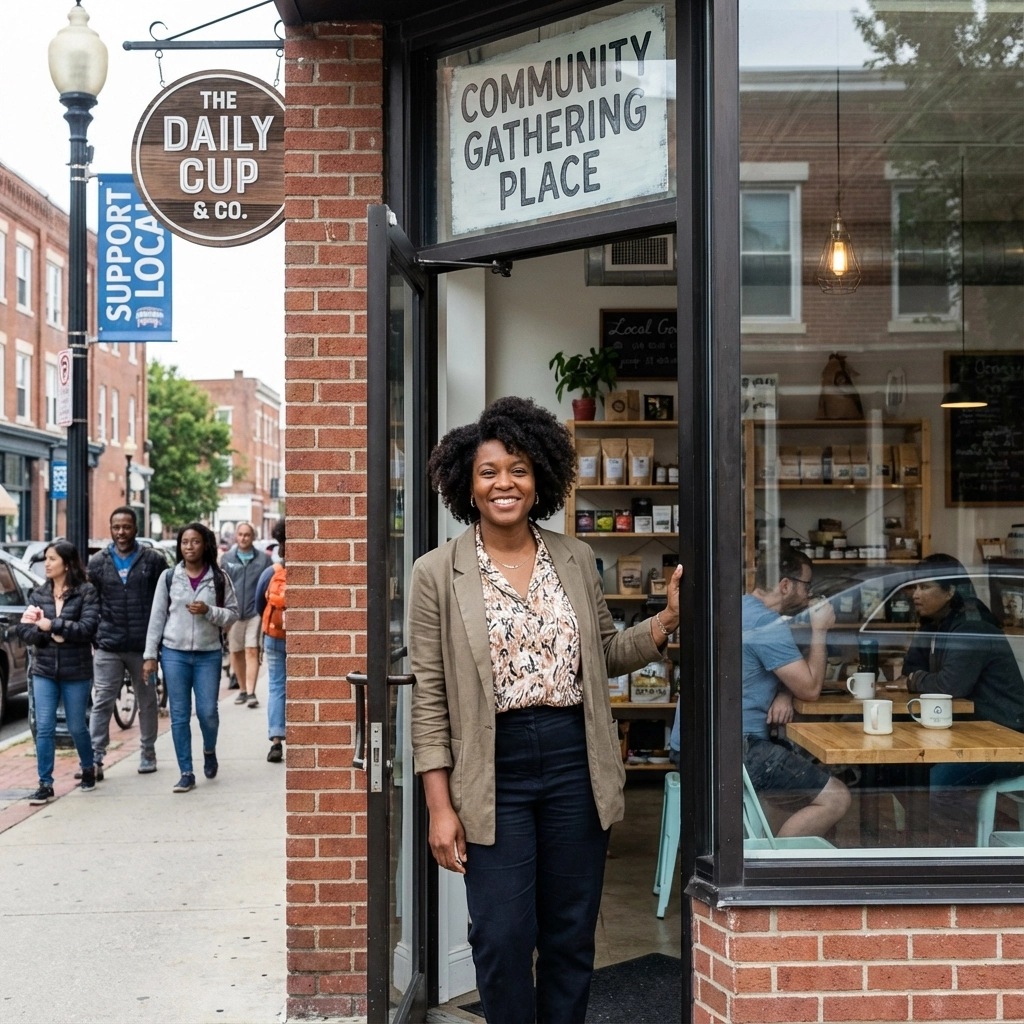
Economic struggles create ripple effects throughout community social fabric. When families face financial stress and limited opportunities, social problems often increase.
Youth may lack positive role models and career pathways, leading to disengagement from education and community life. Social cohesion weakens as residents compete for scarce resources rather than collaborating toward shared goals.
Community organizations and faith institutions, which often serve as economic anchors, may struggle with declining membership and reduced capacity to serve residents effectively.
The Skills and Capital Barriers
Research consistently shows that communities lacking economic structure face two critical barriers: inadequate access to capital and limited skills development opportunities.
Without local financial institutions or investment programs, aspiring entrepreneurs can't access startup funding or business loans. This particularly impacts minority-owned businesses and women entrepreneurs who already face systemic barriers to traditional financing.
Similarly, when communities lack job training programs, business development courses, and entrepreneurship education, residents can't develop the skills needed to create economic opportunities for themselves and others.
Why Traditional Solutions Often Fall Short
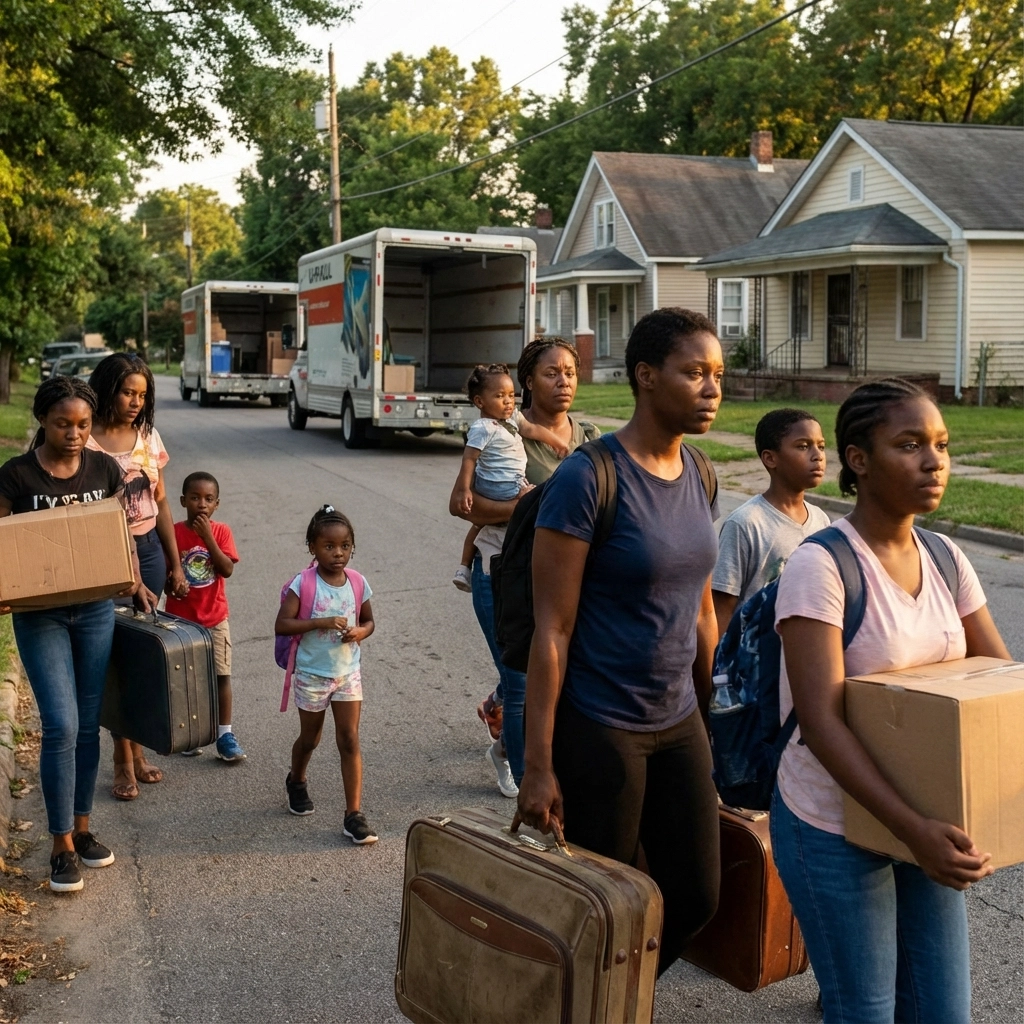
Many well-intentioned economic development efforts focus on attracting outside businesses rather than building internal economic capacity. While external investment can help, it doesn't address the root causes of economic weakness.
Tax incentives for large corporations may bring some jobs but rarely create the local business networks and wealth circulation that sustain long-term economic health. These approaches often benefit outside shareholders more than local residents.
Similarly, government assistance programs, while necessary for immediate relief, don't typically build the systems communities need for ongoing economic resilience and growth.
Breaking the Cycle Requires Intentional Structure
Communities that successfully overcome economic challenges typically implement comprehensive approaches that address multiple barriers simultaneously. This includes developing local business networks, creating access to capital, and building resident skills.
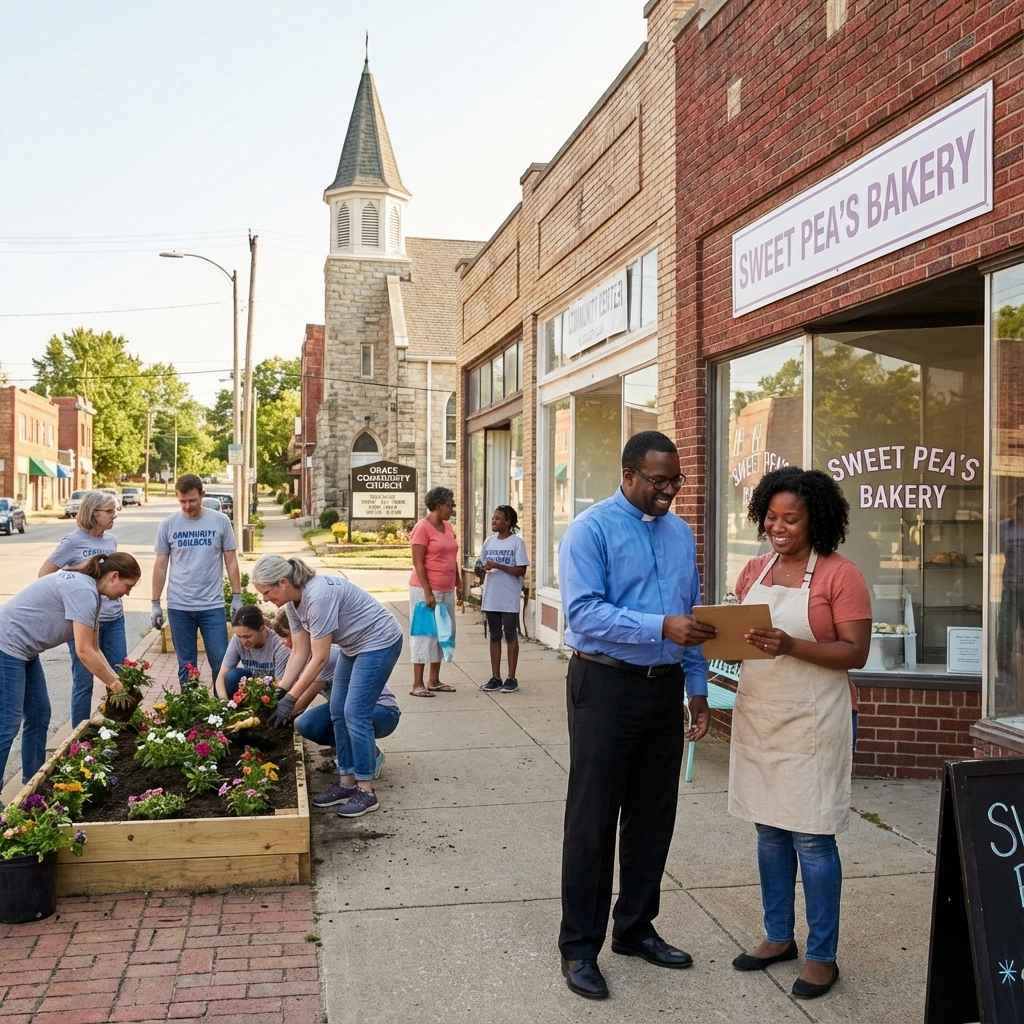
Successful models often center around anchor institutions: like faith organizations, schools, or community centers: that can coordinate economic development efforts and maintain long-term commitment to community welfare.
The key is creating systems that keep wealth circulating locally while building pathways for residents to participate meaningfully in economic activity.

The Path Forward
Understanding why communities struggle without economic structure is the first step toward positive change. The challenges are real and interconnected, but they're not insurmountable.
Communities across the country are successfully implementing innovative approaches that build economic resilience from within. These models prioritize local ownership, community participation, and wealth circulation that benefits residents directly.
The most effective solutions typically combine practical business support with community engagement, creating economic systems that reflect community values and priorities.
Ready to explore how your community can build stronger economic structure? Discover how Globalliance Strategic Communities (GSC) is helping faith-based organizations and local leaders create sustainable economic development that keeps wealth in the community while building opportunities for residents to thrive.
