Community Development vs. Charity: Understanding the Difference
Community Development vs. Charity: Understanding the Difference
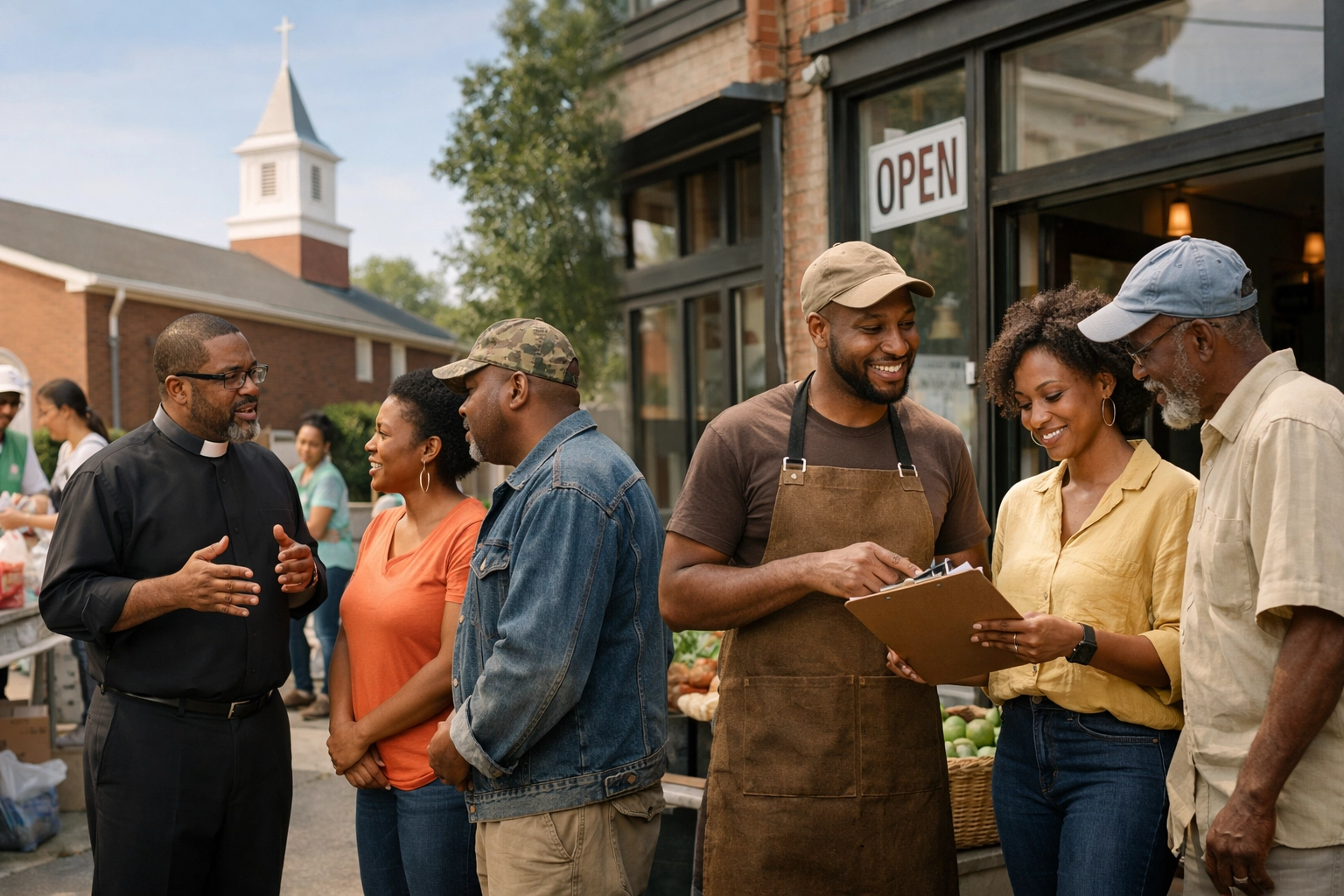
For decades, churches and community leaders have been at the forefront of helping people in need. Whether it is a food pantry in the basement or a seasonal coat drive, the heart behind these efforts is always rooted in compassion. We see a neighbor hurting, and we want to help.
However, many leaders are starting to realize that while the lines at the food pantry are getting longer, the neighborhood isn't necessarily getting stronger. This is where we run into a critical distinction that changes everything about how we serve our cities. It is the difference between charity and community development.
At The Globalliance Strategic Communities, we believe that understanding "development vs charity" is the first step toward true "Economic Evangelism." It is about moving from simply managing poverty to actually ending it by building sustainable systems of wealth and opportunity within our own backyards.
What is the Difference Between Development vs Charity?
To understand how to impact your neighborhood, you first need a clear definition of these two approaches. While they both come from a place of care, they serve very different functions in a community.
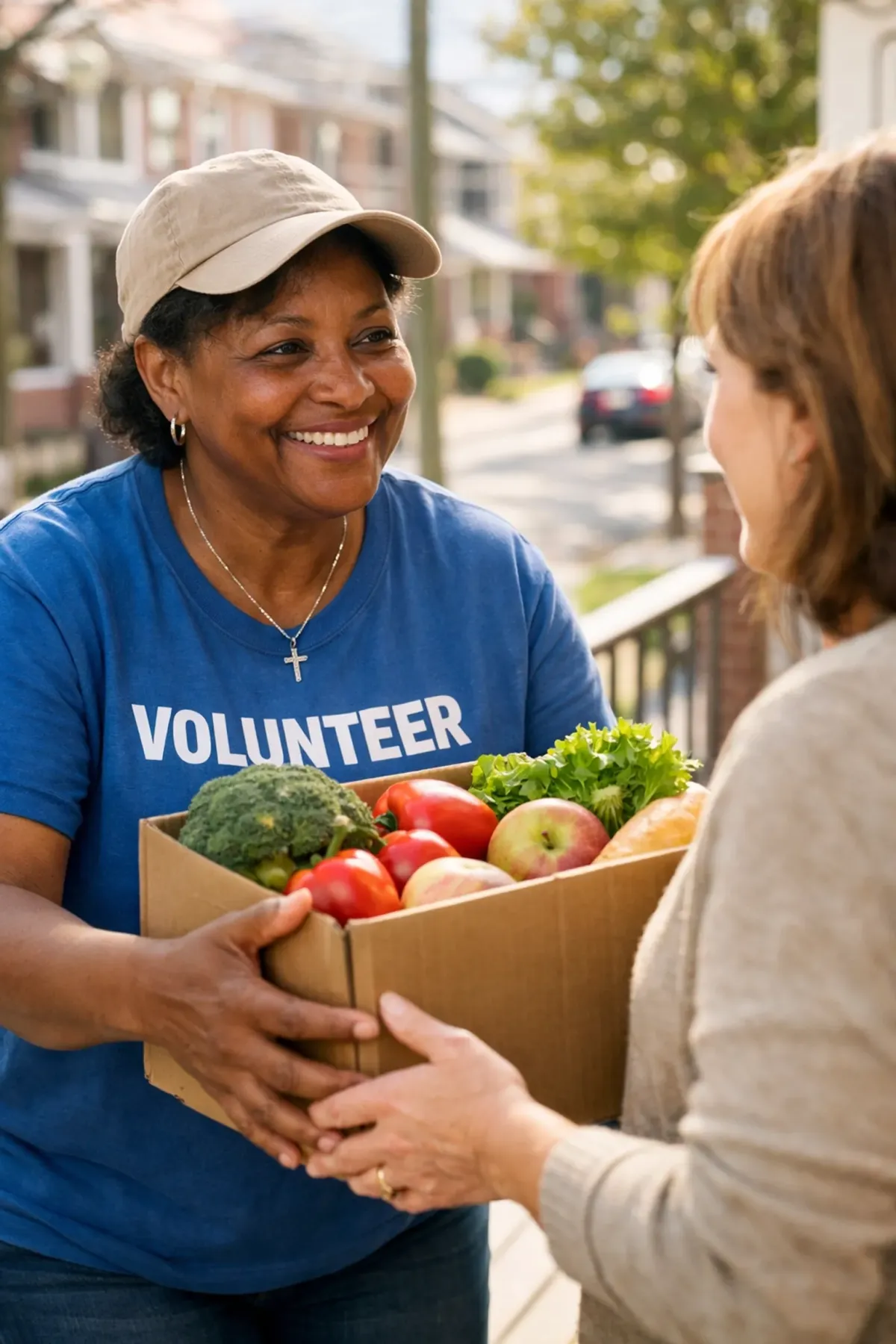
Charity is a short-term intervention designed to provide immediate relief. It focuses on mitigating the immediate consequences of poverty. It asks: "What does this person need right now to survive the day?" Examples include emergency shelters, soup kitchens, and one-time financial assistance.
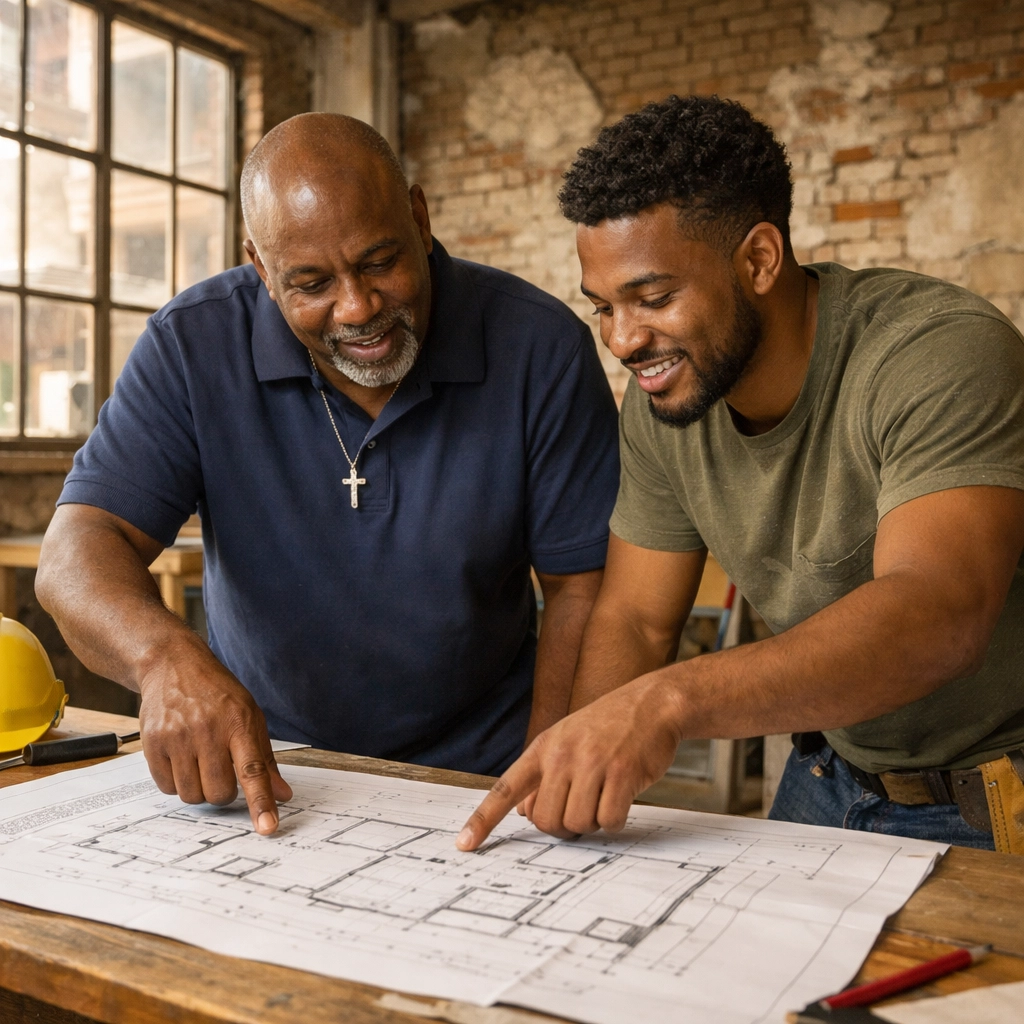
Community Development is a long-term strategy designed to create broad-based economic prosperity. It focuses on systemic change and raising the overall productivity of a community. It asks: "What systems need to change so this person can thrive and provide for themselves?" Examples include job creation, affordable housing development, and supporting local business growth.
In short, charity is the "handout" that saves a life today, while community development is the "hand up" that changes a life: and a community: forever.
The Role of Charity: Necessary but Not Sufficient
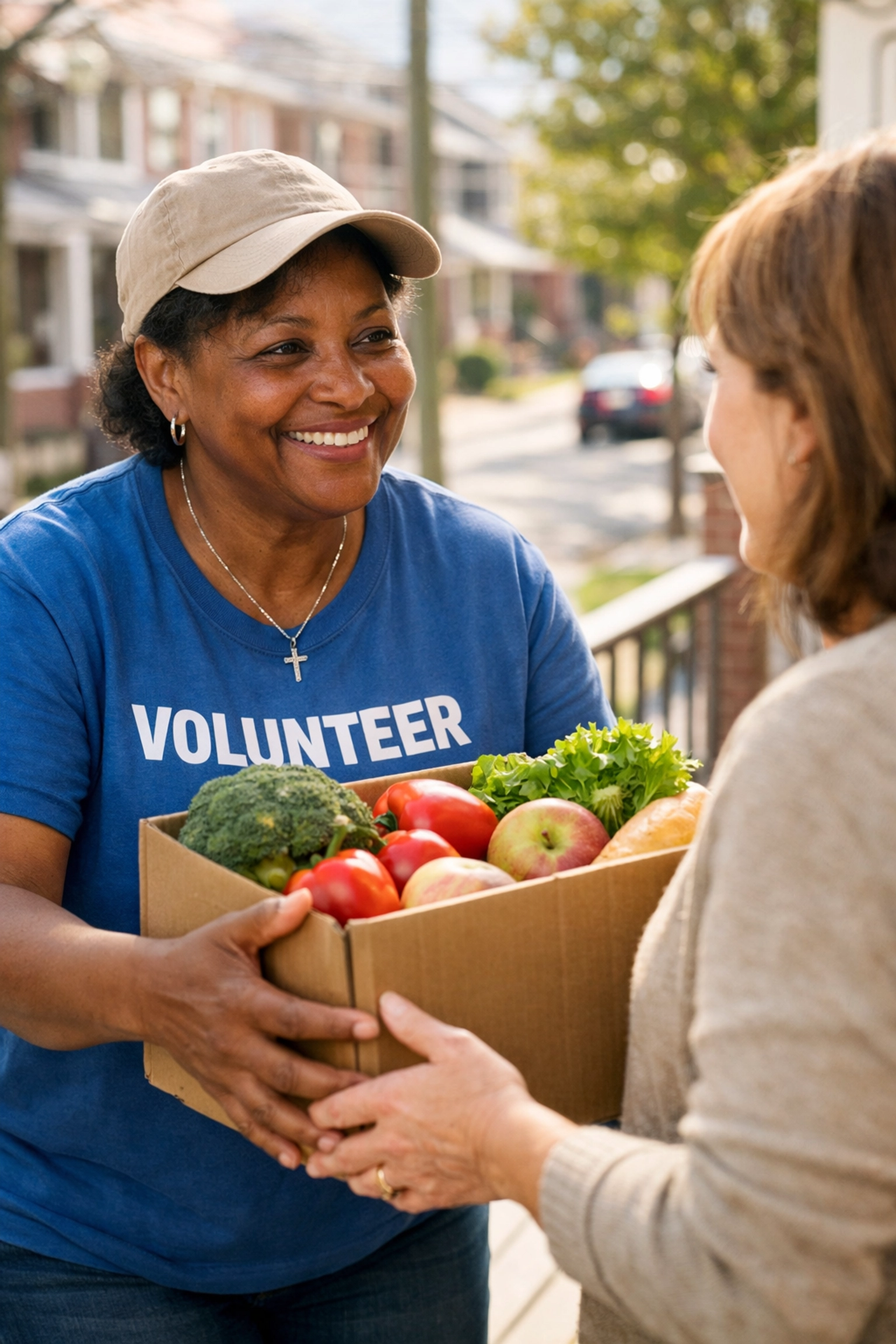
Let’s be clear: charity is absolutely necessary. In moments of crisis: natural disasters, sudden job loss, or medical emergencies: people need immediate help. We can’t talk to someone about long-term economic empowerment if they haven't eaten in two days. Charity provides the safety net that prevents a crisis from becoming a total catastrophe.
The problem arises when we treat charity as a permanent solution. When we apply a short-term fix to a long-term, systemic problem, we can unintentionally create a cycle of dependency. If a neighborhood has been receiving the same food boxes for twenty years and the poverty rate hasn't changed, we aren't doing development; we are simply subsidizing the status quo.
Charity work targets the symptoms of poverty. It is cost-effective in the moment, but it doesn't address the underlying conditions. If we want to see real transformation, we have to look past the immediate need and start looking at the roots of why that need exists in the first place.
Why Community Development is the Goal
If charity is about relief, community development is about restoration. Development work focuses on productivity. Economists have found that the only sustained way to reduce poverty across a region is to raise the productivity of the people living there. This means better education, better tools, better access to capital, and better local infrastructure.
Development asks the big questions. How can we ensure the dollars spent in our neighborhood stay in our neighborhood? How can we turn a vacant lot into a business that employs ten local residents? How can we empower a single mother not just with a bag of groceries, but with a career path and a savings account?
This approach requires a shift in mindset. It requires us to stop seeing our neighbors as "clients" or "recipients" and start seeing them as partners, assets, and entrepreneurs. It is a more difficult path than charity, but it is the only one that leads to true freedom.
Economic Evangelism: A Faith-Based Approach
At GSC, we often refer to this transition as "Economic Evangelism." We believe that the message of the Gospel isn't just about spiritual health; it’s about the wholeness of the person and the community. If we say we love our neighbors but remain indifferent to the economic systems that keep them trapped in poverty, our message rings hollow.
Economic Evangelism is the practice of using our resources: our buildings, our influence, and our capital: to foster economic growth that honors God and serves people. It’s about taking the biblical mandate to care for the poor and moving it into the marketplace.
When a church decides to move from charity to development, they are essentially saying, "We don't just want to feed you; we want to help you own the bakery." This is the heart of what we do. We provide the digital tools and frameworks to help faith-based organizations make this shift effectively.
The Square Mile Model: Local Impact, Global Change
One of the primary frameworks we use to guide this work is the "Square Mile" model. The idea is simple: pick a specific, manageable geographic area: usually a square mile around your organization: and commit to the total economic and social flourishing of that area.
Instead of trying to solve the problems of the entire world, the Square Mile model focuses your energy. It allows you to build deep relationships with local business owners, schools, and residents. In this model, you focus on a "closed-loop" economy where residents work, shop, and invest within their own community.
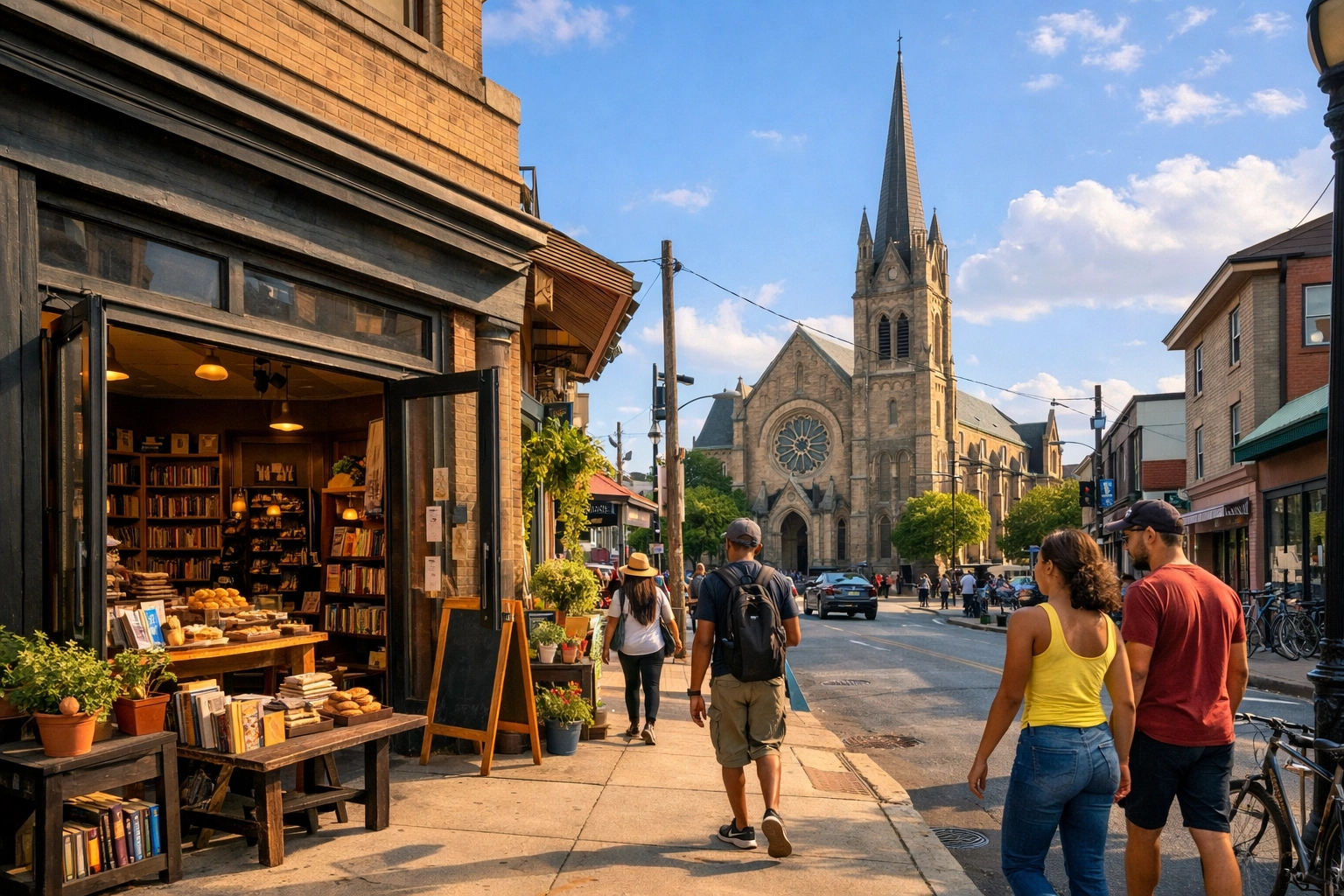
By focusing on a square mile, you can move from generic charity to targeted development. You can identify exactly which businesses are missing, where the housing gaps are, and which residents are ready for the next step in their professional journey. It turns "helping people" into a measurable, strategic mission.
How Digital Tools Bridge the Gap
You might be wondering: “This sounds great, but how do we actually do it?” Moving from a soup kitchen to a community development corporation is a massive leap. This is where technology becomes your greatest ally.
In the past, managing community development was incredibly complex. You had to track volunteer hours, manage donor data, coordinate with local businesses, and measure the long-term impact on families: all usually on different spreadsheets or, worse, on paper.
The GSC platform is designed to simplify this complexity. Our SaaS tools help you:
Track Longitudinal Data: Move beyond "how many meals were served" to "how many families moved above the poverty line this year."
Connect Local Ecosystems: Build digital directories that connect residents with local businesses and job opportunities.
Manage Resources: Efficiently coordinate volunteers and donors so that every resource is used for maximum community impact.
Communicate Progress: Share real stories of transformation with your stakeholders through clear, data-driven reporting.
Technology shouldn't replace the human touch of ministry; it should empower it. By automating the "busy work," your team can spend more time building the relationships that make development possible.

Moving Toward Sustainability
The journey from charity to development doesn't happen overnight. It starts with a change in perspective. It starts by looking at your community not for what it lacks, but for what it has. Every neighborhood has untapped talent, hidden entrepreneurs, and residents who are tired of being treated as a charity case.
As we look toward 2026 and beyond, the needs of our communities are changing. Traditional charity is no longer enough to address the deep-seated economic challenges many of our neighborhoods face. We need a new model: one that is sustainable, local, and focused on empowerment.
Whether you are a pastor, a non-profit leader, or a concerned citizen, you have the power to start this shift. It begins with the decision to move from the handout to the hand up. It begins with choosing development.
Let’s Build Something Lasting
At Globalliance Strategic Communities, we are passionate about helping organizations like yours make a real, lasting difference. We know that the work of community development is hard, but you don't have to do it alone.
If you’re ready to see your community flourish through the Square Mile model and Economic Evangelism, we’d love to help. Our platform is built to take the guesswork out of community impact, allowing you to focus on what matters most: the people.
Let’s stop just managing poverty. Let’s start building prosperity together. If you're curious about how digital tools can help your church or organization move from charity to development, feel free to reach out. We’re here to support your mission every step of the way.
