Community Impact Matters: 5 Steps to Measure Your Church’s Neighborhood Success
Community Impact Matters: 5 Steps to Measure Your Church’s Neighborhood Success
![[HERO] Community Impact Matters: 5 Steps to Measure Your Church’s Neighborhood Success](https://cdn.marblism.com/xIWoS7BeAa4.webp "[HERO] Community Impact Matters: 5 Steps to Measure Your Church’s Neighborhood Success")
Let’s be honest: as church leaders, we love a good success story. We love seeing the pews filled on Sunday and hearing the choir hit those high notes. But if we’re being real, the true measure of a church isn't just what happens inside the four walls between 9:00 AM and noon. It’s what happens in the streets, the local shops, and the living rooms of the people living right next door.
Measuring church community impact can feel a bit like trying to nail Jell-O to a wall. How do you quantify hope? How do you put a percentage on "neighborhood transformation"? For a long time, we’ve relied on "hopes and vibes," but if we want to see lasting change, we need a better yardstick.
At Globalliance Strategic Communities, we believe that faith-based community development shouldn't be a guessing game. Whether you are part of Globalliance Strategic Communities or just a local pastor with a big heart for your block, it’s time to get intentional. Here are five practical steps to measure your church’s neighborhood success using a model that actually works.
1. Define Your Focus Area (The Square Mile)
One of the biggest mistakes church outreach programs make is trying to be everything to everyone, everywhere. When your focus is "the whole city," your impact gets spread so thin it becomes invisible.
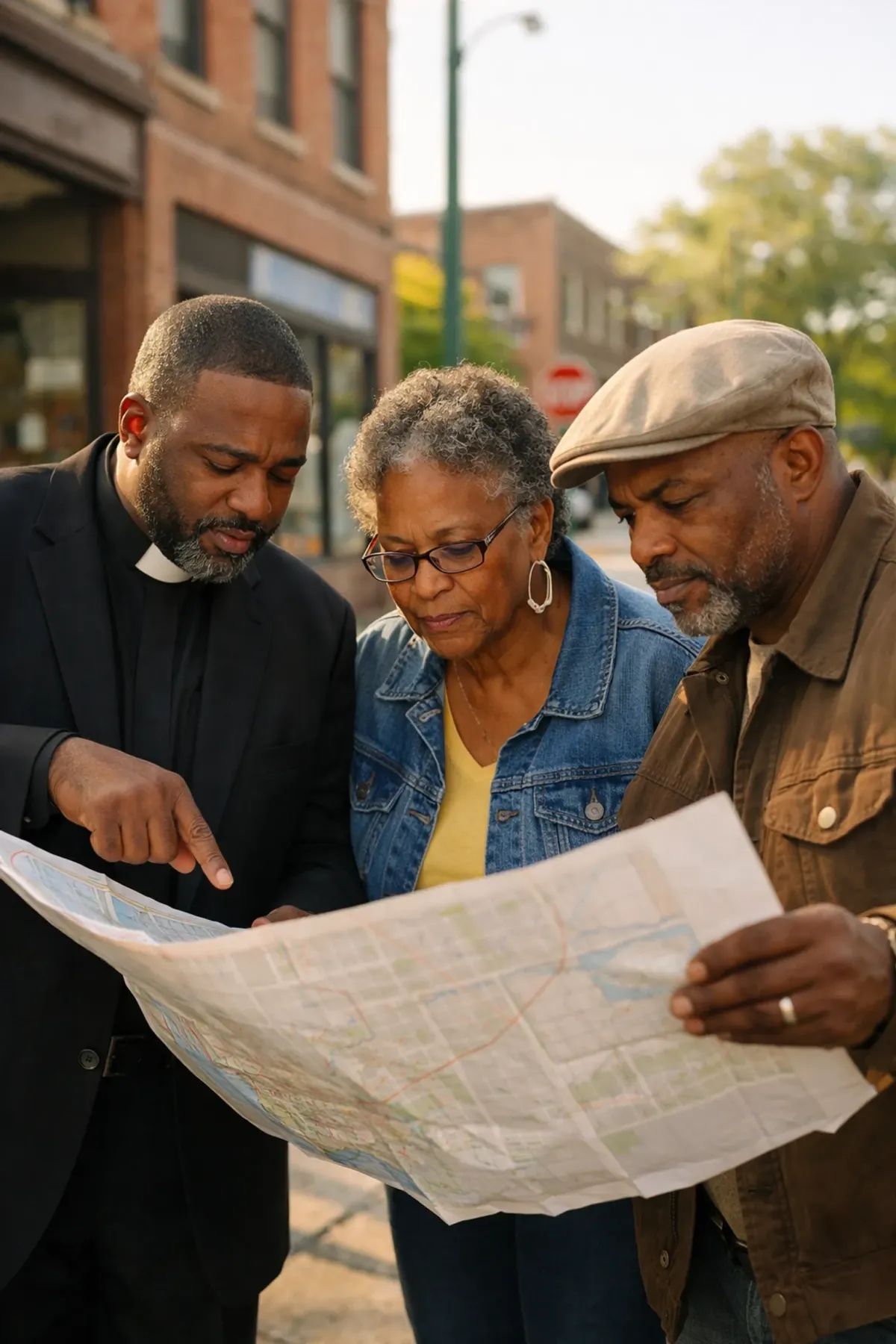
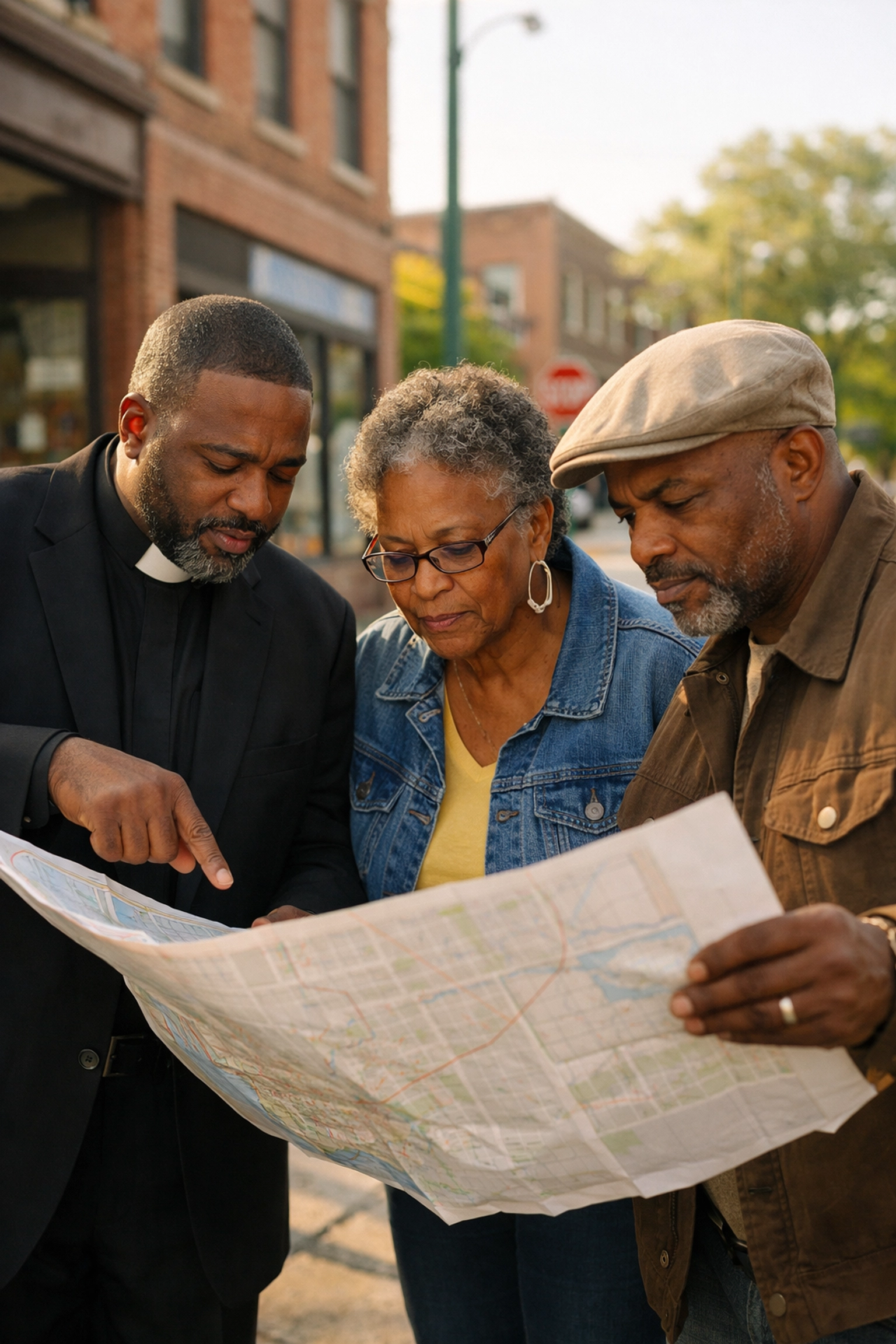
The square mile community model is all about radical focus. It asks a simple question: If your church disappeared tomorrow, would the people living within a one-mile radius of your building notice? By narrowing your focus to a specific "Square Mile," you create a manageable laboratory for transformation.
When you define your focus area, you can start tracking specific neighborhood data:
What is the employment rate in this specific mile?
How many kids are reading at grade level?
Is the local park safe?
When you own your "Square Mile," your community impact measurement becomes tangible. You aren't just "helping people"; you are transforming a specific ecosystem.
2. Asset & Resource Audit (The "Inflow")
Before you can measure what’s coming out of your church, you have to look at what’s going in. Most churches do a great job of tracking tithes and offerings, but they rarely audit their "Kingdom Assets."
In faith-based community development, assets aren't just dollars. They are:
Human Capital: Who in your congregation is a contractor? A lawyer? A teacher? A retired grandmother with a killer garden?
Physical Space: Is your fellowship hall sitting empty five days a week? That’s a neighborhood asset waiting to be deployed.
Social Influence: Who do you know at City Hall? Which local business owners attend your services?
A true audit asks: "What are we pouring into the community?" If you’re spending 90% of your resources on the "Sunday Show" and only 10% on neighborhood flourishing, your impact will reflect that. Start a simple scorecard of the hours, skills, and spaces you’ve dedicated to the Square Mile this month.
3. Tracking Local Economic Circulation
This is where it gets exciting: and where most churches miss the boat. We talk a lot about "charity," but we rarely talk about "circulation." If your church raises $5,000 for a youth event, where does that money go? Does it go to a massive corporate chain, or does it stay in the neighborhood?
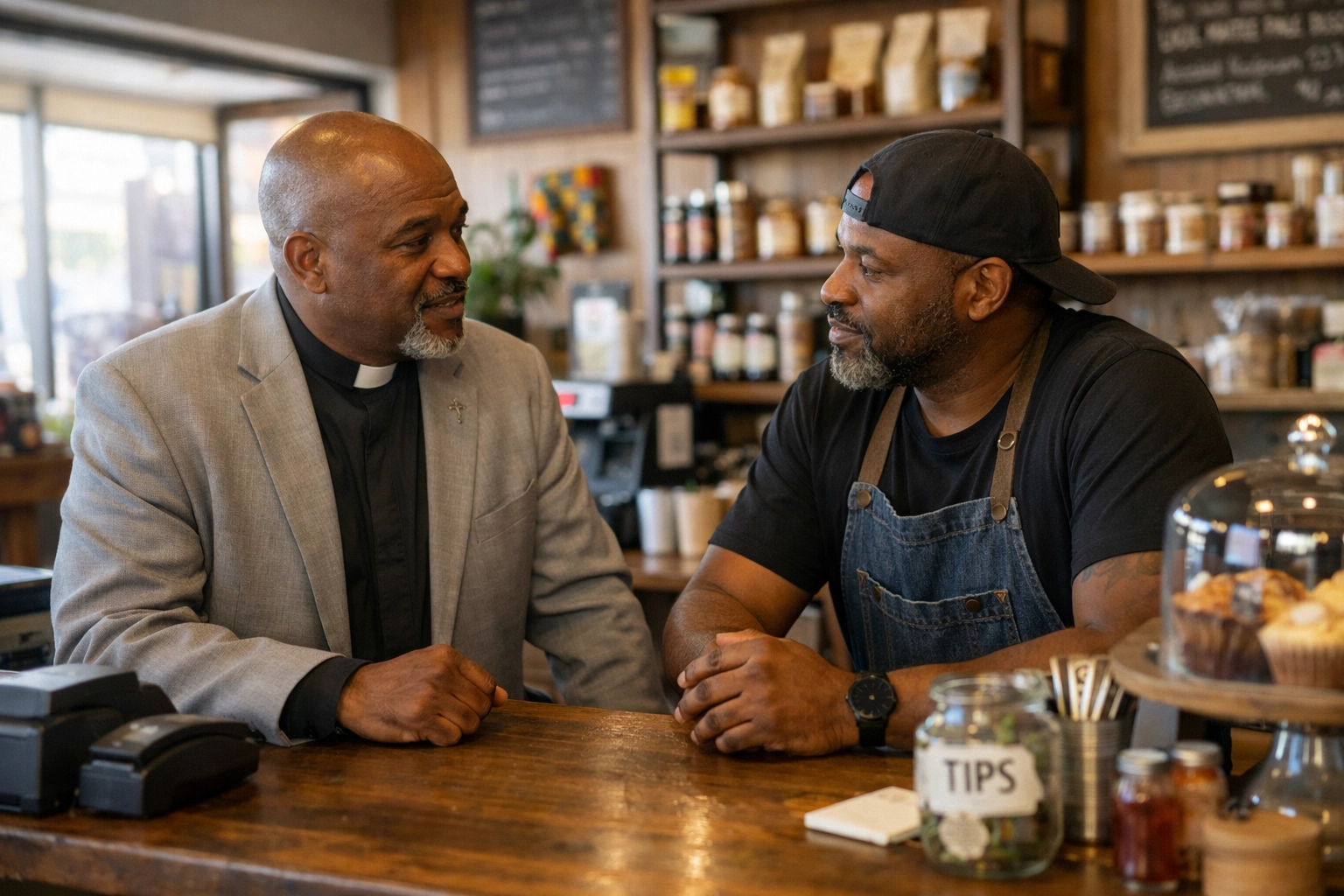
To truly see church community impact, you need to track how many local and Black-owned businesses you are supporting. This is the "closed-loop" economy. When a church intentionally buys its coffee, printing services, catering, and repairs from local entrepreneurs within their Square Mile, they are creating an economic engine.
Metrics to track:
Percentage of church vendor spend that stays within the zip code.
Number of local/Black-owned businesses the church has partnered with or highlighted.
New jobs created or supported by church-led initiatives.
Economic empowerment is a core pillar of Globalliance Strategic Communities. If the money leaves the neighborhood as soon as it hits the offering plate, you aren't building a community; you’re just running a spiritual gas station.
4. Capturing the 'Shalom' Stories
Numbers tell part of the story, but "Shalom": the biblical concept of wholeness, peace, and prosperity: is often found in the qualitative data. You can’t always put a graph on a life being turned around, but you can certainly document it.
Don't just count the number of bags of groceries given away. Track the "Shalom stories."
Did a family in your Square Mile move from a shelter to an apartment?
Did a local teenager start their first business with a mentor from your church?
Did two neighbors who hadn't spoken in years finally reconcile at a church-hosted block party?
In your community impact measurement reports, include these narratives alongside your spreadsheets. Testimonials and before-and-after cases provide the "why" behind the "what." They remind your congregation (and your donors) that behind every data point is a human being experiencing a bit more of heaven on earth.
5. Using Digital Tools to Scale Impact
Let’s face it: pastors are busy. You didn't go to seminary to spend forty hours a week in an Excel spreadsheet. This is where the "SaaS" side of the house comes in. To move from "good intentions" to "measurable transformation," you need the right tools.
Modern CRM and automation tools can help you track your outreach efforts effortlessly. Imagine being able to see a dashboard that shows exactly how many volunteer hours were spent in your focus area, which local businesses were supported, and how many families have moved through your development programs.
Using digital platforms allows you to:
Automate Data Collection: Stop chasing volunteers for reports. Use simple mobile forms to capture impact in real-time.
Centralize Communication: Keep your partners, donors, and staff on the same page.
Visualize Success: Turn those boring numbers into beautiful reports that prove your church outreach programs are working.
Scaling impact requires moving away from handwritten notes and toward a streamlined system. When your data is organized, your vision becomes clearer, and your ability to attract partners and resources grows exponentially.

Putting it All Together
Measuring success isn't about bragging; it’s about stewardship. If God has given your church a specific neighborhood to care for, the most faithful thing you can do is check to see if your care is actually making a difference.
By focusing on your Square Mile, auditing your assets, tracking local economic circulation, capturing stories of transformation, and leveraging digital tools, you move from being a church in the community to being a church for the community.
Success in faith-based community development looks like a neighborhood where the economy is stronger, the families are healthier, and the presence of the church is a source of tangible, measurable joy.
Ready to start tracking your impact? We’re here to help you build the tools to make it happen. Let’s get to work on that Square Mile!
