Global Black Diaspora Development: 10 Things You Should Know About Sustainable Economic Empowerment
Global Black Diaspora Development: 10 Things You Should Know About Sustainable Economic Empowerment
![[HERO] Global Black Diaspora Development: 10 Things You Should Know About Sustainable Economic Empowerment](https://cdn.marblism.com/UZ7RvkUpjwU.webp "[HERO] Global Black Diaspora Development: 10 Things You Should Know About Sustainable Economic Empowerment")
For decades, the conversation around the Global Black Diaspora has often focused on what we lack. We hear about the "needs" of communities in Africa, the Caribbean, and South America. But when we look closer, we see a different story. We see a global community of over 200 million people with immense talent, shared history, and massive economic power.
In the United States alone, the spending power of Black communities has reached over $1.7 trillion. Globally, the diaspora is a sleeping giant. The shift we are seeing today is about waking that giant. It is about moving away from being "consumers" and "donors" to becoming "owners" and "investors."
Sustainable economic empowerment isn't just about a single paycheck or a one-time donation. It is about building systems that last. It is about creating a Globalliance Strategic Communities (GSC community) that works together across borders. Here are ten things you should know about how we are building that future together.
1. Moving Beyond Remittances
Every year, people in the diaspora send billions of dollars back to their home countries. These remittances are a lifeline for families, covering food, medicine, and school fees. While this is beautiful and necessary, it is often a temporary fix for a deeper problem.
Economic empowerment means turning some of that personal support into community investment. Instead of just sending money for consumption, we are looking at how to pool those funds to start businesses or improve infrastructure. When we move from "sending money home" to "investing in home," we create jobs that make future remittances less necessary.
2. The Power of Cooperative Economics
There is an old concept in the African diaspora called "Quilombismo." It refers to the historical communities formed by escaped enslaved people who worked together to survive and thrive. Today, we call this cooperative economics or community wealth building.
Collective ownership is our greatest strength. When a group of people pools their resources to buy a grocery store, a farm, or a tech startup, the profits stay in the community. This isn't just business; it's a strategy for survival and liberation. By working as a collective, we can compete with much larger corporations that often extract wealth from our neighborhoods.
3. Churches as Anchor Institutions
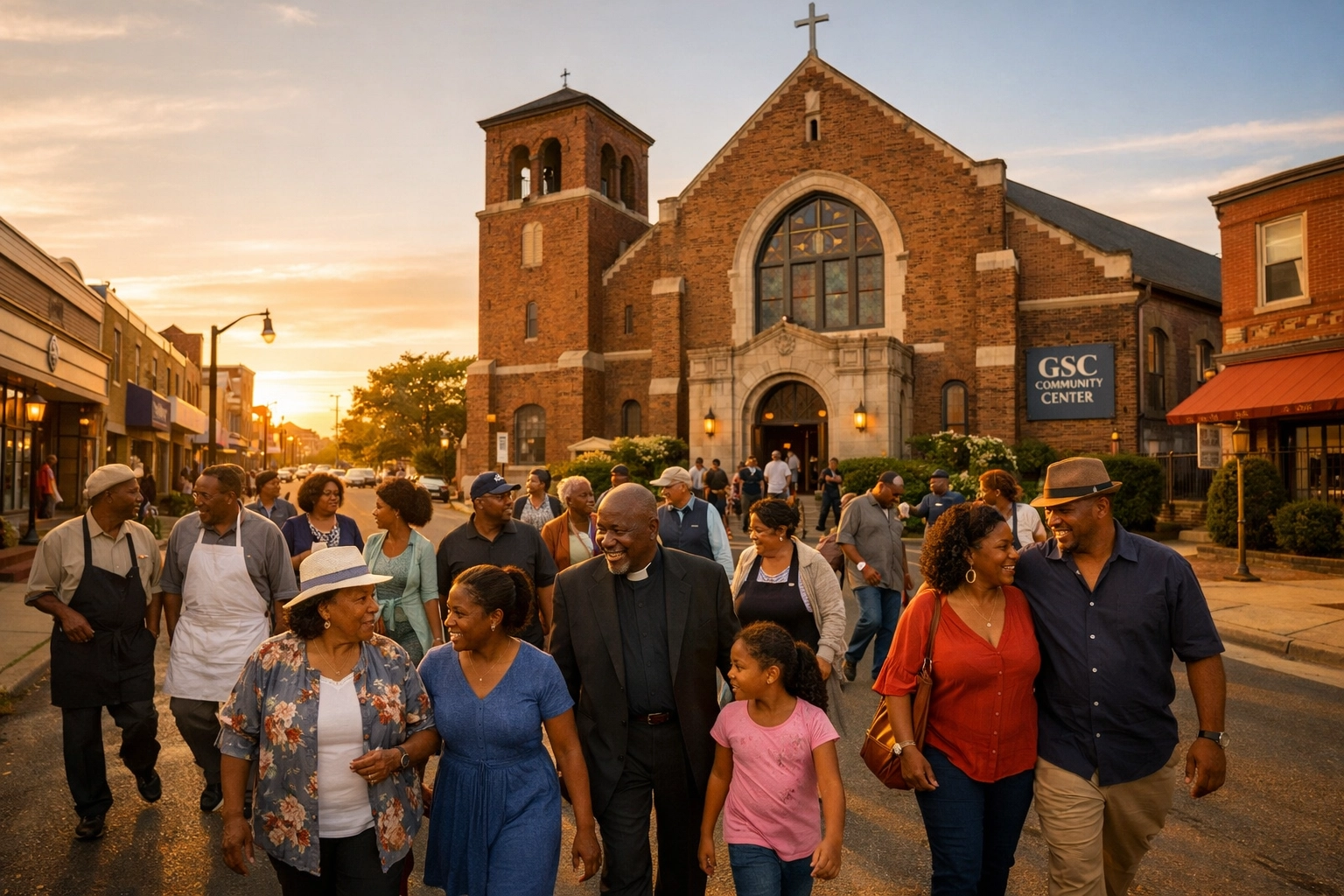
Black churches have always been more than just places of worship. They are the original community centers. In the context of international faith-based initiatives, the church is often the most trusted institution in the neighborhood.
Faith leaders are now stepping into roles as economic organizers. They are using their platforms to teach financial literacy, host business incubators, and lead community development in Africa and beyond. When a church uses its influence to back a local entrepreneur, it provides a level of "social capital" that a bank simply cannot offer.
4. Digital Bridging and Connection
One of the biggest hurdles to diaspora development has always been distance. How does a business owner in Atlanta partner with a supplier in Accra? This is where digital tools come in. Technology is the bridge that allows us to manage projects across oceans.
At The Globalliance Strategic , we see this every day. Our digital platform: including custom websites, mobile apps, and CRM systems: helps global organizations and faith leaders stay connected. These tools allow leaders to track their economic initiatives and keep their members informed, no matter where they are in the world. Digital bridging turns a scattered diaspora into a unified GSC community.
5. Supporting Indigenous Innovation
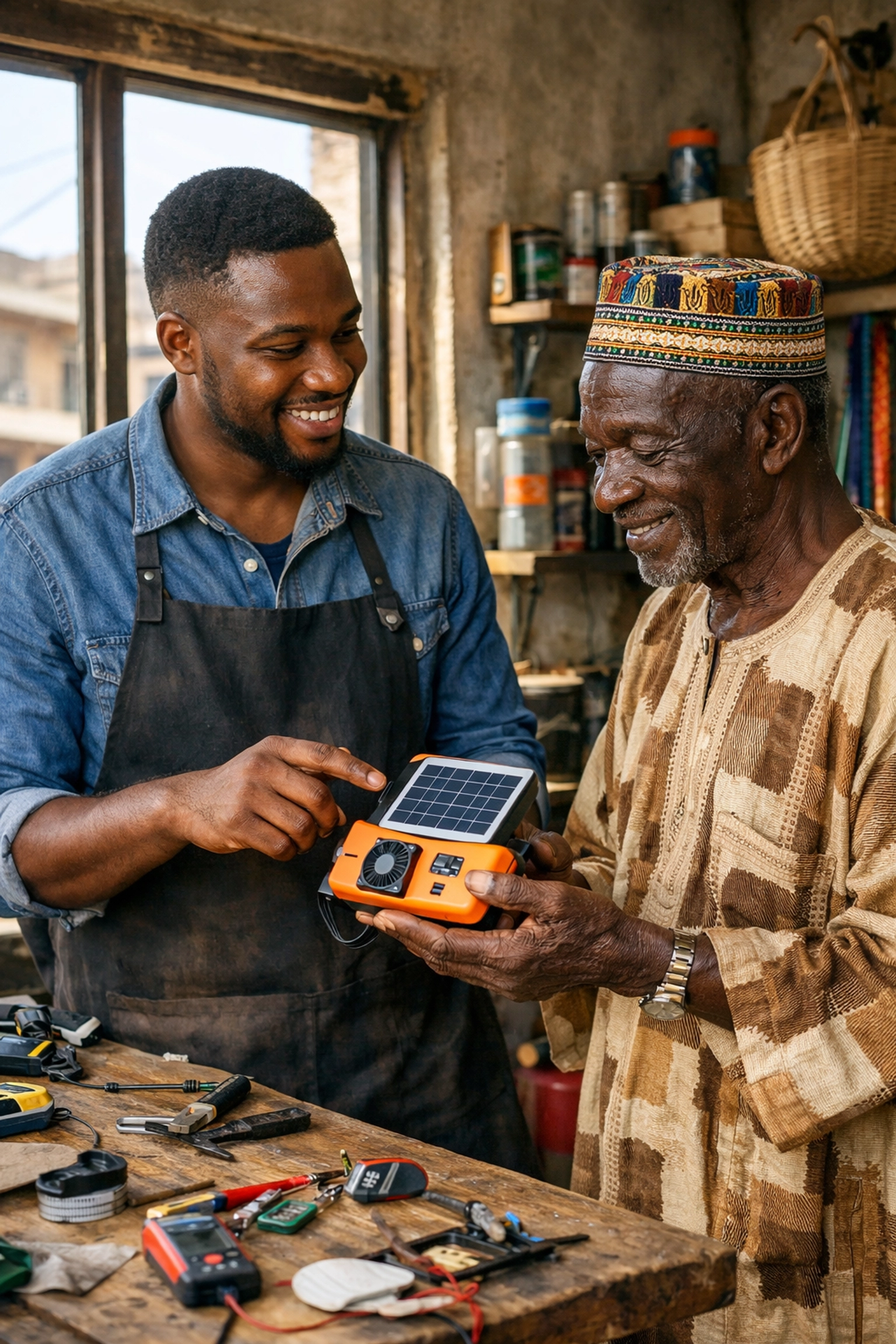
For too long, development "experts" from outside our communities have tried to tell us how to solve our problems. Sustainable economic empowerment flips this script. It prioritizes indigenous innovation: the ideas and solutions created by the people who actually live in the community.
Whether it is a new irrigation method in a rural village or a fintech app in a major city, the best solutions are usually local. Our role in the diaspora is to provide the capital and the partnership to scale those local ideas, rather than trying to import external models that don't fit our culture.
6. Asset Stewardship and Land
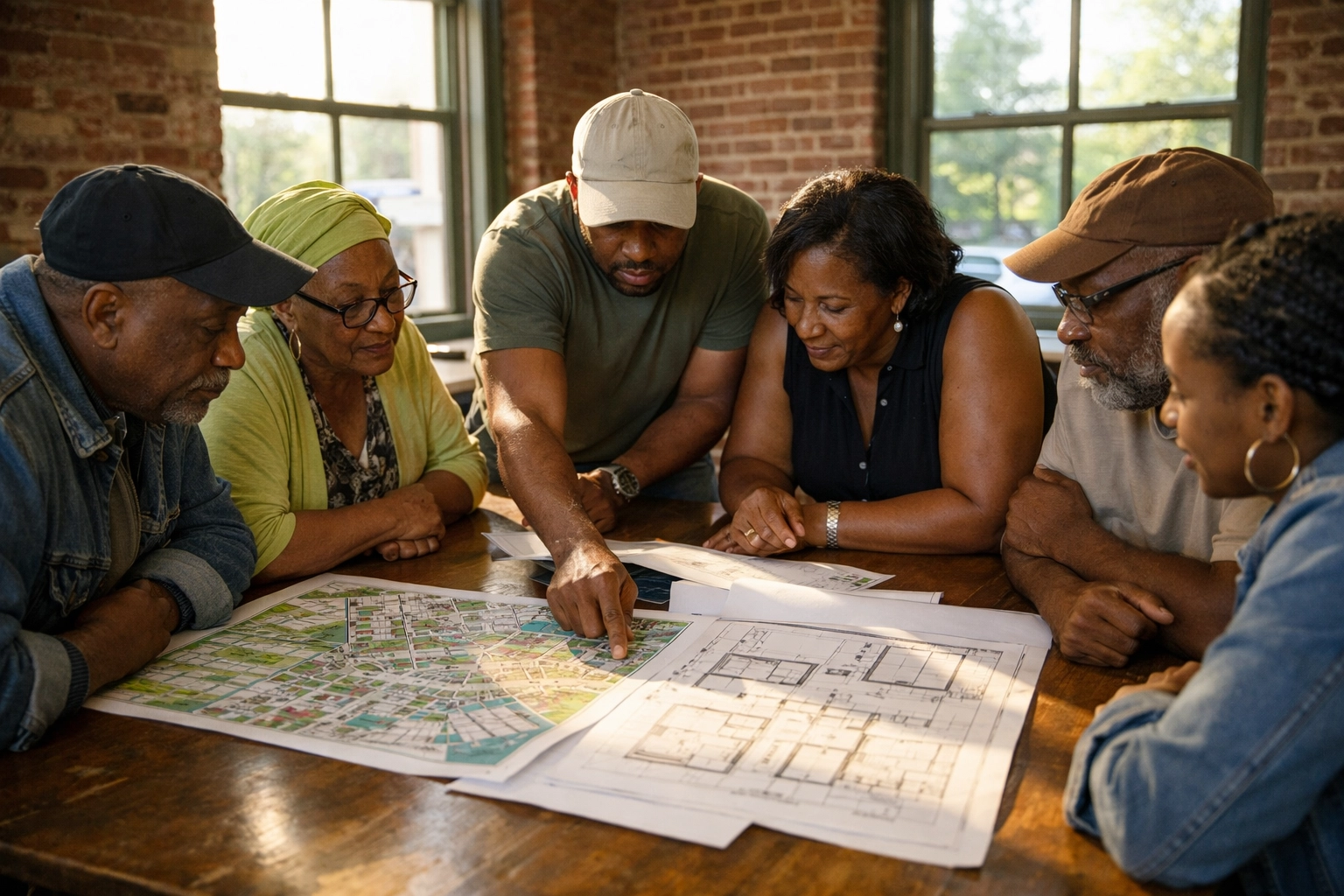
Wealth is often tied to what we own beneath our feet. Asset stewardship is the practice of managing community-owned land and buildings for the common good. Many global Black communities and churches sit on valuable real estate that is underutilized.
Imagine a church-owned parking lot being turned into affordable housing or a community garden. Imagine an empty warehouse becoming a hub for Black diaspora economic empowerment through a small business incubator. By leveraging the assets we already have, we create a foundation for wealth that can't be easily taken away.
7. Creating a Global Closed-Loop Economy
A closed-loop economy is a system where money stays within the community for as long as possible. Right now, a dollar often leaves a Black neighborhood within hours. To change this, we must connect diaspora spending with African-led production.
If we buy clothes, coffee, or tech services, we should look for ways to source them from within the global Black community. When we buy from one another, we are essentially "recycling" our wealth. This creates a powerful cycle of growth where every purchase supports a job for someone who looks like us.
8. Training for the Future: Digital Skills
We cannot build a 21st-century economy with 20th-century skills. Economic empowerment requires a heavy focus on training our youth in digital literacy, coding, and financial technology.
Digital skills allow a young person in a remote village to work for a company in London or New York without ever leaving their home. This "brain gain" keeps talent within the community while bringing in global wages. Education in these areas is the most sustainable investment we can make.

9. Shifting from Charity to Economic Liberation
Charity is about giving a person a fish. Economic liberation is about owning the pond, the boat, and the distribution center. We are moving away from outreach programs that only offer temporary relief.
The goal now is wealth creation. This means focusing on equity, ownership, and long-term sustainability. It is a shift in mindset from asking for help to building our own systems of support. Faith and economic development go hand-in-hand when the goal is to see people fully self-sufficient and thriving.
10. Community Capital and Micro-Investments
Not every business needs a million-dollar loan from a big bank. Sometimes, a few thousand dollars can change the trajectory of a family business. Community capital involves using tools like crowdfunding and micro-investment groups to fund local projects.
By pooling small amounts of money from many people, we can fund the initiatives that traditional banks overlook. This democratizes investment and allows everyone in the GSC community to have a stake in our collective success.
Building the Future Together
The work of global Black diaspora development is a marathon, not a sprint. It requires patience, trust, and the right tools to keep us organized. Whether you are a faith leader, a business owner, or a community organizer, your role is vital.
At Globalliance Strategic Communities, we are honored to support the leaders who are doing this hard work. Our suite of digital tools: from automation to mobile apps: is designed to help you manage your mission more effectively. When your organization is organized and connected, there is no limit to the economic impact you can make.
Let’s stop looking for outside heroes and start recognizing the power we already hold. By working together, we can build a future defined by ownership, dignity, and lasting prosperity for the entire Global Black Diaspora.