The GSC Closed-Loop Economy Explained
The GSC Closed-Loop Economy Explained
When money leaves your community, it rarely comes back. This simple truth drives the need for what we call a closed-loop economy – a system where dollars circulate within your local area, creating lasting economic impact.
The GSC (Globalliance Strategic Communities) model offers faith-based organizations and community leaders a practical framework for building these self-sustaining economic systems. Instead of watching resources flow to distant corporations, communities can create cycles where local spending supports local businesses, which in turn employ local residents.
Understanding the Closed-Loop Economy Model
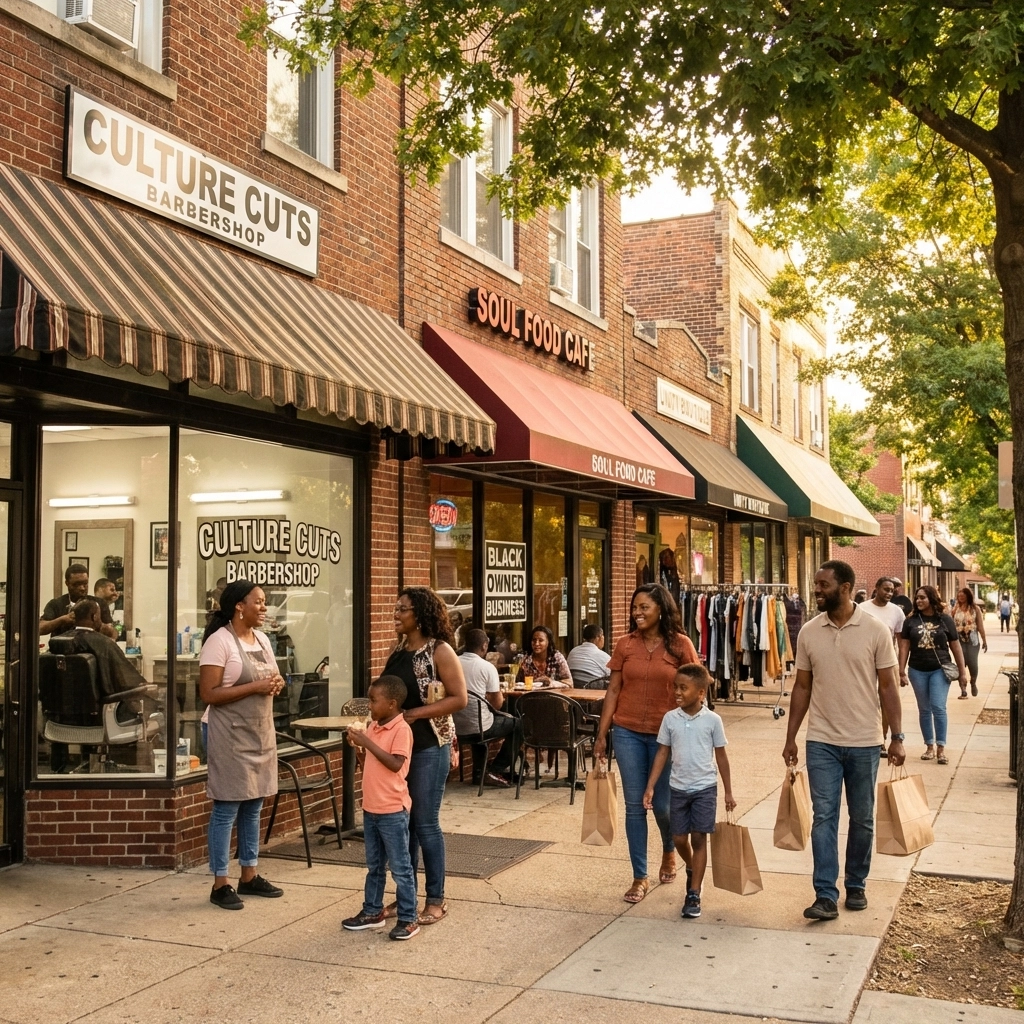
A closed-loop economy functions like a neighborhood garden where everything grows together. When community members buy from local Black-owned businesses, those business owners spend their earnings at other local establishments. This creates a multiplier effect that strengthens the entire local economy.
Traditional economic models follow a linear path: earn, spend outside the community, repeat. The GSC approach creates circular patterns where money changes hands multiple times before leaving the area. Studies show that dollars spent at local businesses recirculate 2.5 times more than money spent at chain stores.
This model particularly benefits historically underserved communities where economic leakage has been a persistent challenge. When churches and community organizations coordinate their purchasing power, they can redirect substantial resources toward neighborhood businesses.
The GSC Framework for Community Reinvestment
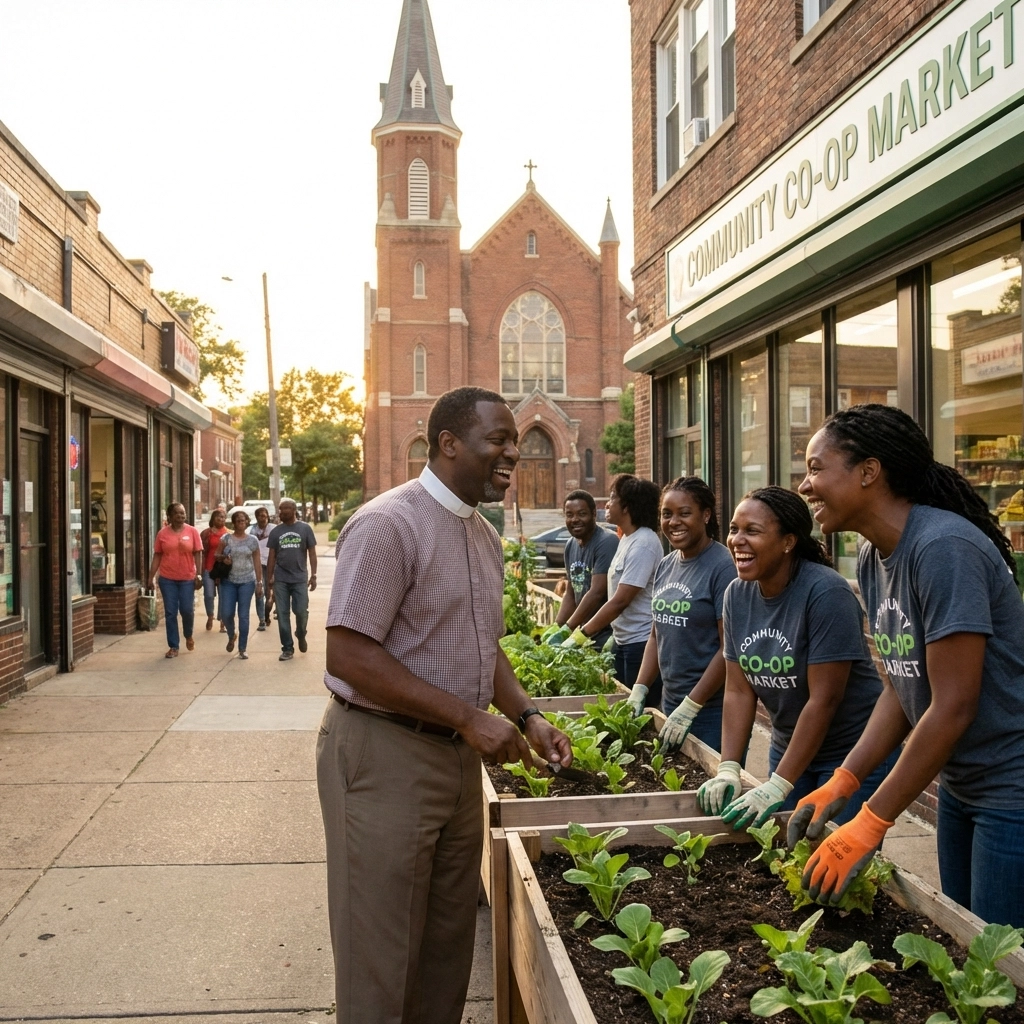
GSC's approach centers on strategic coordination rather than individual actions. Churches become anchor institutions that model community reinvestment through their operational decisions. When a congregation chooses local vendors for catering, maintenance, and supplies, they demonstrate practical stewardship.
The framework includes three core components: identification of local businesses, coordination of community purchasing, and measurement of economic impact. Churches can track how their spending decisions create jobs and support families within their ministry area.
Community reinvestment through GSC doesn't require massive budgets. Small, consistent choices accumulate into significant economic impact. A church that spends $500 monthly with local vendors contributes $6,000 annually to the neighborhood economy – money that supports wages, rent, and local suppliers.
Building Networks for Economic Circulation
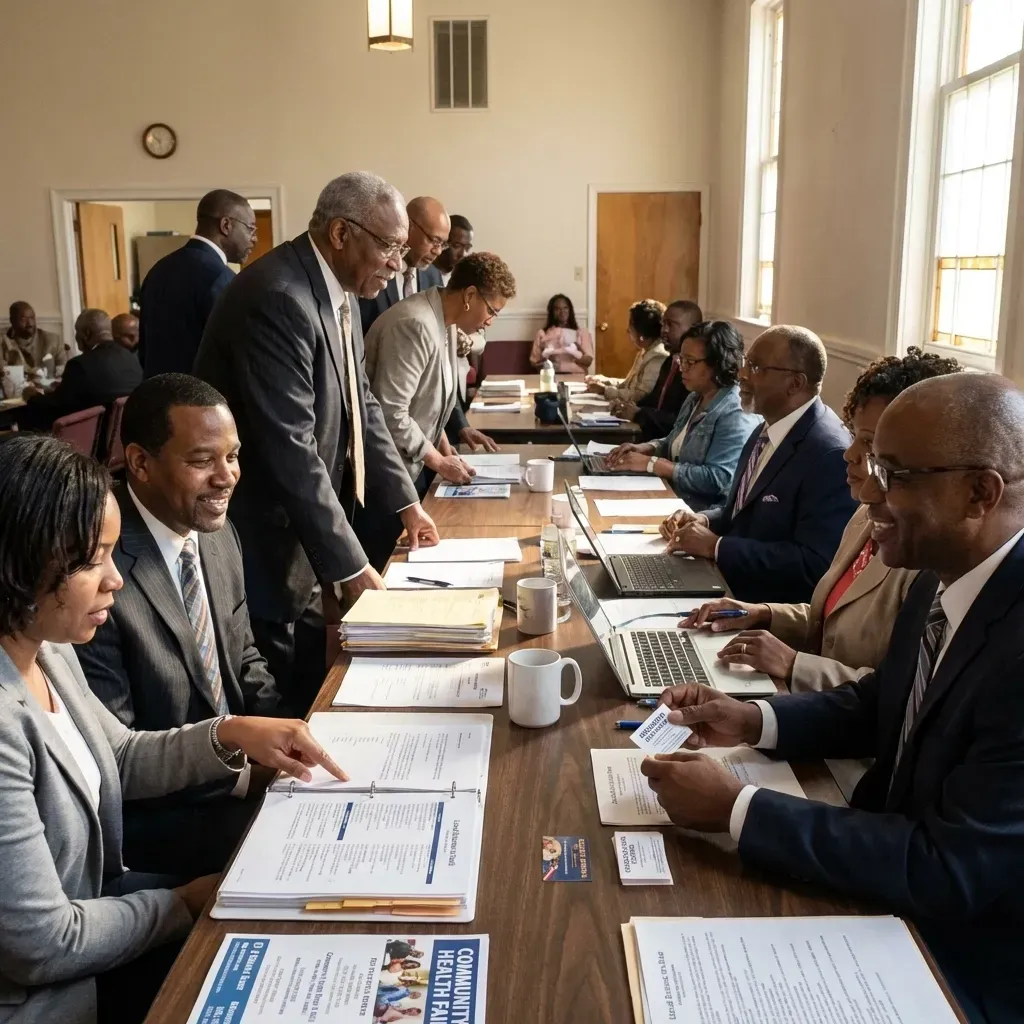
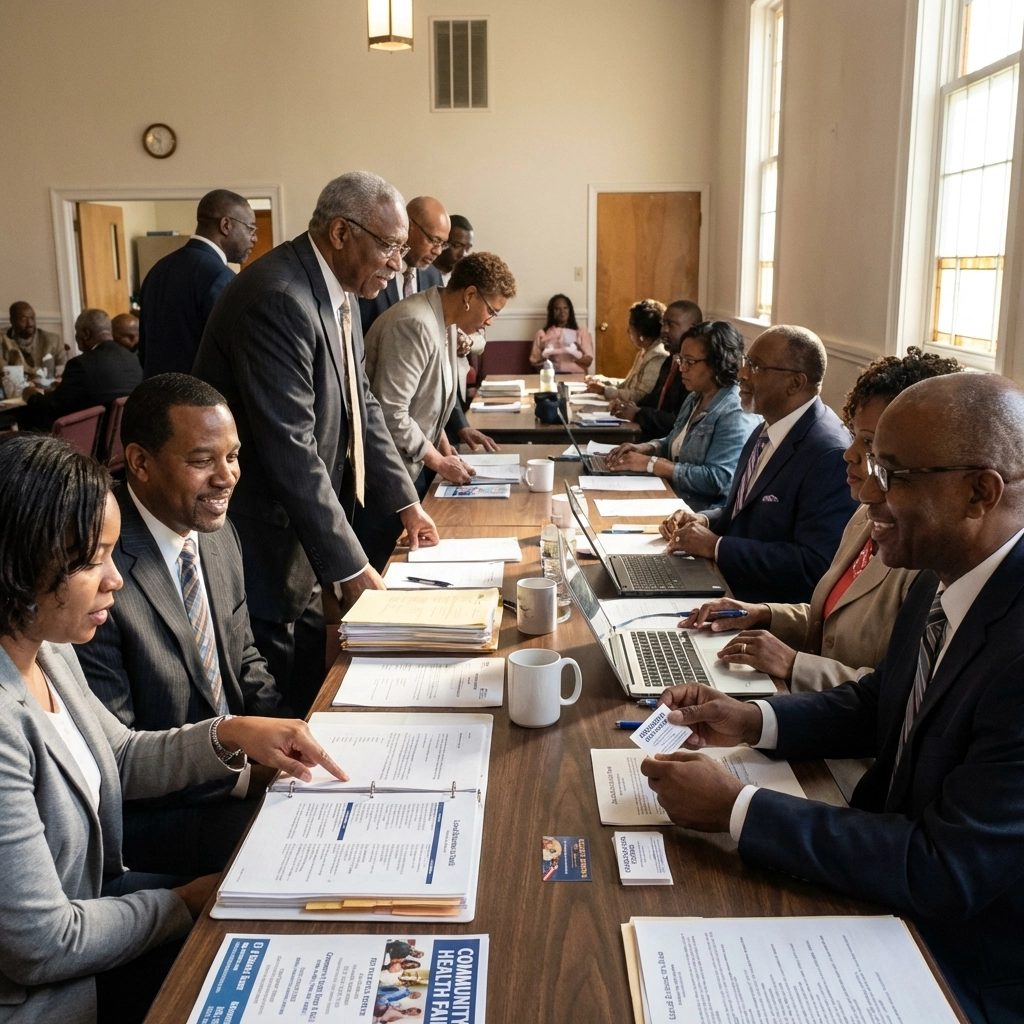
Successful closed-loop economies depend on robust networks between community stakeholders. GSC facilitates connections between churches, local businesses, and residents who want to support neighborhood enterprises. These relationships create the foundation for sustained economic circulation.
Churches often serve as natural coordinators because they already have strong community ties. When pastors introduce congregation members to local business owners, they create personal relationships that extend beyond simple transactions. This human element makes the closed-loop economy more than just economic theory.
Digital tools can support these networks by maintaining directories of local businesses, tracking spending patterns, and celebrating economic wins. Simple platforms help community members find Black-owned restaurants, service providers, and retailers within their area.
The key is making local spending convenient rather than burdensome. When churches host vendor fairs or include business spotlights in their communications, they remove barriers that might prevent community members from supporting local enterprises.
Practical Applications for Faith Communities
Churches can implement closed-loop economic principles through their everyday operations. Food ministry programs can partner with local farmers and grocers. Building maintenance contracts can prioritize neighborhood contractors. Office supplies can come from local providers rather than big-box stores.
These decisions require intentional planning but rarely cost more than traditional purchasing. Many local businesses offer competitive prices, especially when churches commit to ongoing relationships. The economic benefits to the community often outweigh any minor price differences.
Youth programs can teach financial literacy while supporting the local economy. When young people learn about budgeting by shopping at neighborhood stores, they develop both money management skills and community connection. These educational opportunities create the next generation of conscious consumers.
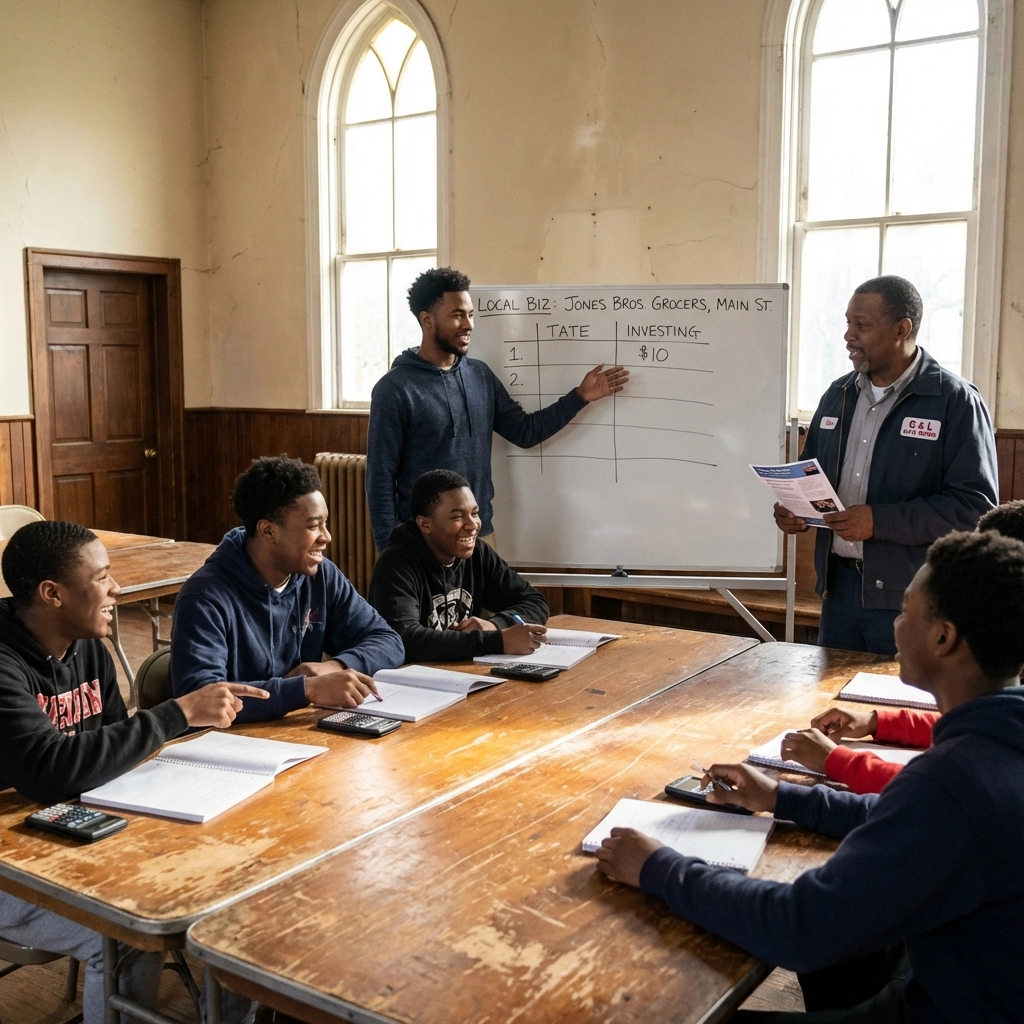
Churches can also facilitate business development by providing meeting spaces, mentorship, and startup capital through community loan funds. When congregation members with business experience share their knowledge with aspiring entrepreneurs, they strengthen the overall economic ecosystem.
Measuring Impact and Celebrating Success
Tracking the effectiveness of closed-loop economic initiatives helps communities stay motivated and make improvements. Simple metrics include the number of local businesses supported, dollars kept within the community, and jobs created or sustained through local spending.
GSC encourages communities to celebrate economic wins publicly. When a local business expands due to community support, or when a church's vendor partnerships create new employment opportunities, these successes inspire others to participate in the closed-loop economy.
Digital tools make impact measurement more accessible than ever. Churches can use basic spreadsheets to track their local spending or implement more sophisticated platforms that connect their purchasing data with community economic indicators.
Regular reporting helps community members understand how their individual choices contribute to collective progress. When people see that their restaurant visits or service contracts support their neighbors' livelihoods, they're more likely to maintain these beneficial spending patterns.
Getting Started with Your Community's Closed-Loop Economy
Beginning your closed-loop economic journey doesn't require complex systems or large investments. Start by auditing your church's current spending patterns and identifying opportunities to support local businesses. Many communities discover they're already closer to a closed-loop model than they realized.
Create a directory of Black-owned and locally-owned businesses in your area. This resource helps congregation members make informed spending decisions and provides a foundation for future community reinvestment initiatives. Include contact information, services offered, and any special arrangements for community organizations.
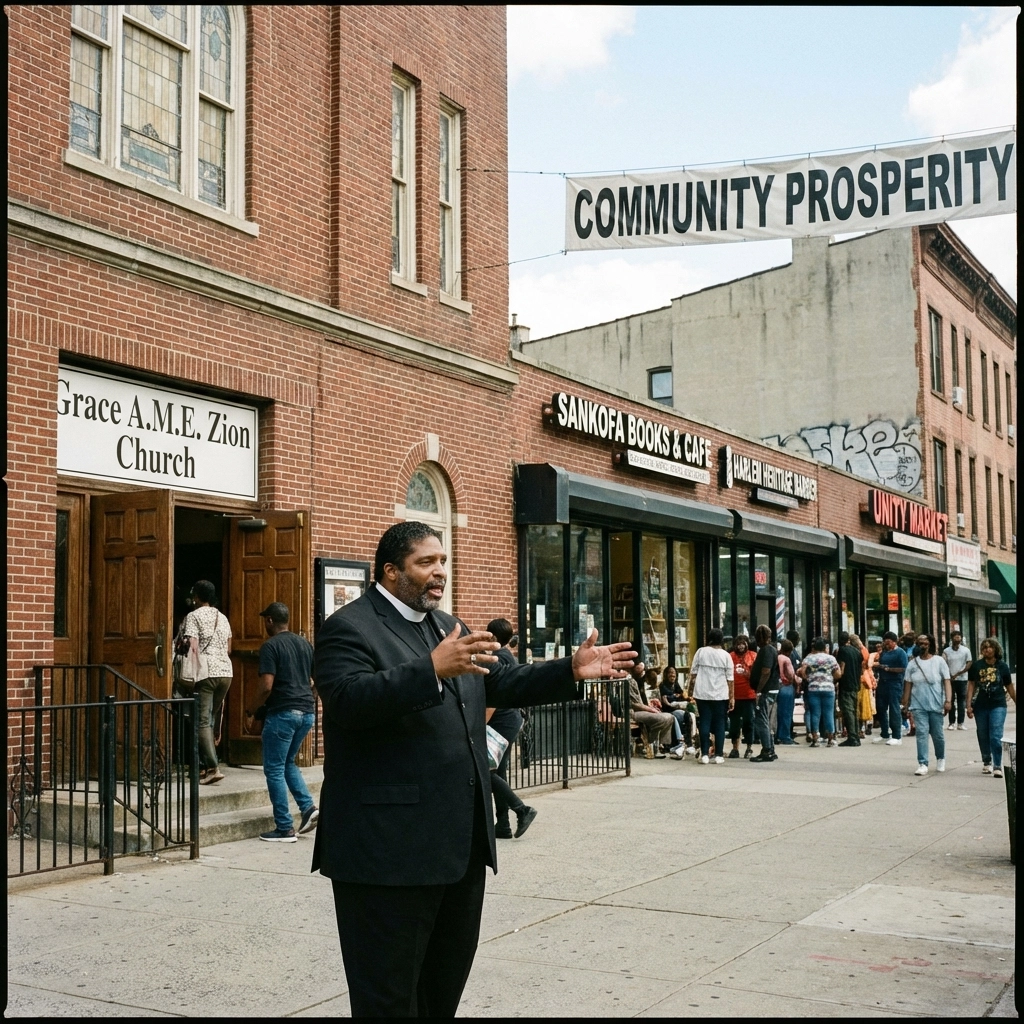
Partner with other churches and community organizations to amplify your impact. When multiple congregations coordinate their purchasing power, they can provide local businesses with the steady demand needed for growth and expansion.
Start small with pilot programs that demonstrate the closed-loop concept. Choose one area – perhaps catering for church events – and commit to supporting local businesses for six months. Document the results and share your experience with other community leaders.
The GSC closed-loop economy model offers faith communities a practical way to exercise economic stewardship while strengthening their neighborhoods. When churches align their spending with their values, they create systems that benefit everyone involved.
Ready to learn more about implementing community economic development strategies? Visit our website to discover digital tools that can support your closed-loop economy initiatives and help measure your community impact.
