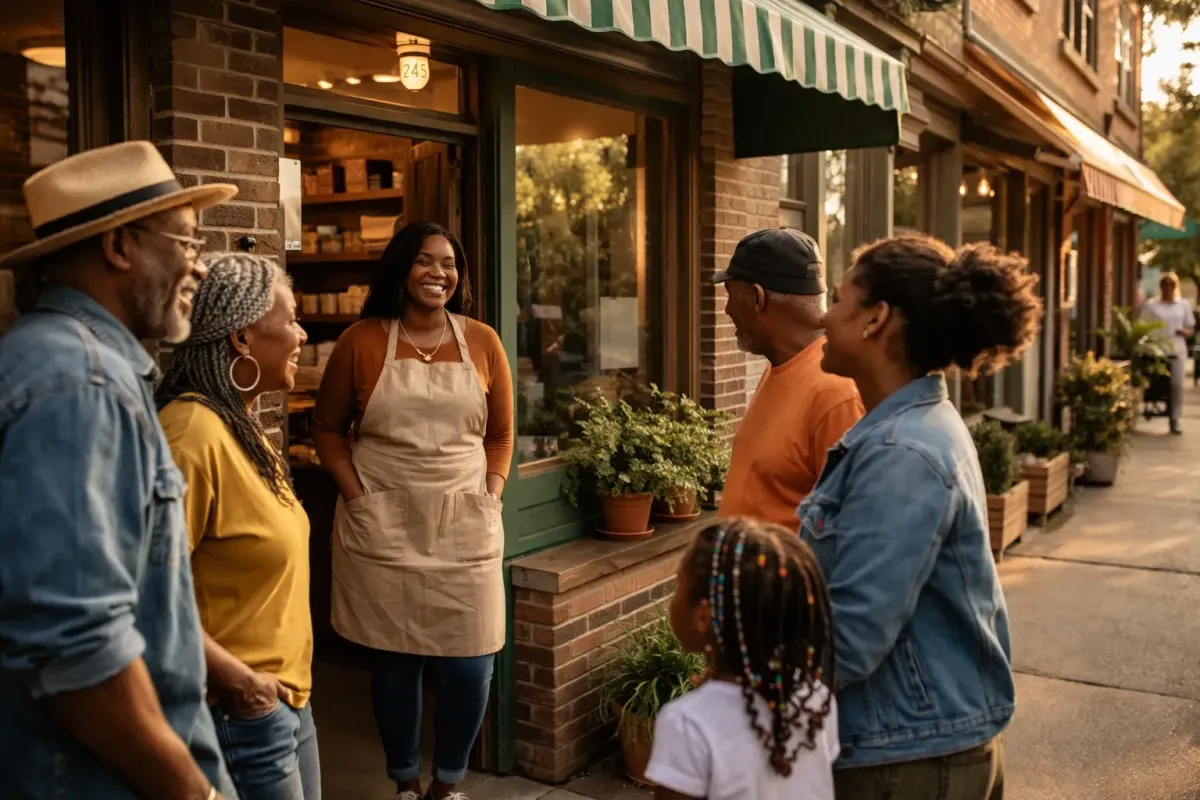
How GSC Creates Sustainable Impact
How GSC Creates Sustainable Impact
![[HERO] How GSC Creates Sustainable Impact](https://cdn.marblism.com/6ZQkH1a63m2.webp "[HERO] How GSC Creates Sustainable Impact")
We've all seen it before. A community program launches with excitement and fanfare. Volunteers show up. Money flows in. Things look promising. Then six months later, the energy fades, the funding dries up, and the community is right back where it started.
That cycle of short-term help followed by long-term disappointment is exhausting. It's why so many neighborhoods have grown skeptical of "community development" efforts. They've been burned too many times.
GSC was built to break that cycle. Not with bigger grants or louder campaigns, but with a fundamentally different approach to how communities grow and sustain themselves. This is sustainable development in the truest sense: economic systems that keep working long after the initial spark.
Let's talk about how it actually works.
The Problem With One-Time Impact
Traditional community programs often operate like a sugar rush. There's an immediate boost of energy, resources, and attention. But without an underlying system to maintain momentum, everything crashes.
Think about food drives, one-day service projects, or short-term business grants. These efforts come from good intentions. But they don't address the root issue: money leaves the community faster than it comes in.
When residents spend their dollars at businesses outside their neighborhood, that wealth disappears. It doesn't circulate. It doesn't multiply. It doesn't build anything lasting.
Sustainable development requires a different foundation. It requires keeping resources moving within the community, creating jobs, building ownership, and establishing systems that don't depend on outside rescue.
What Makes GSC Different
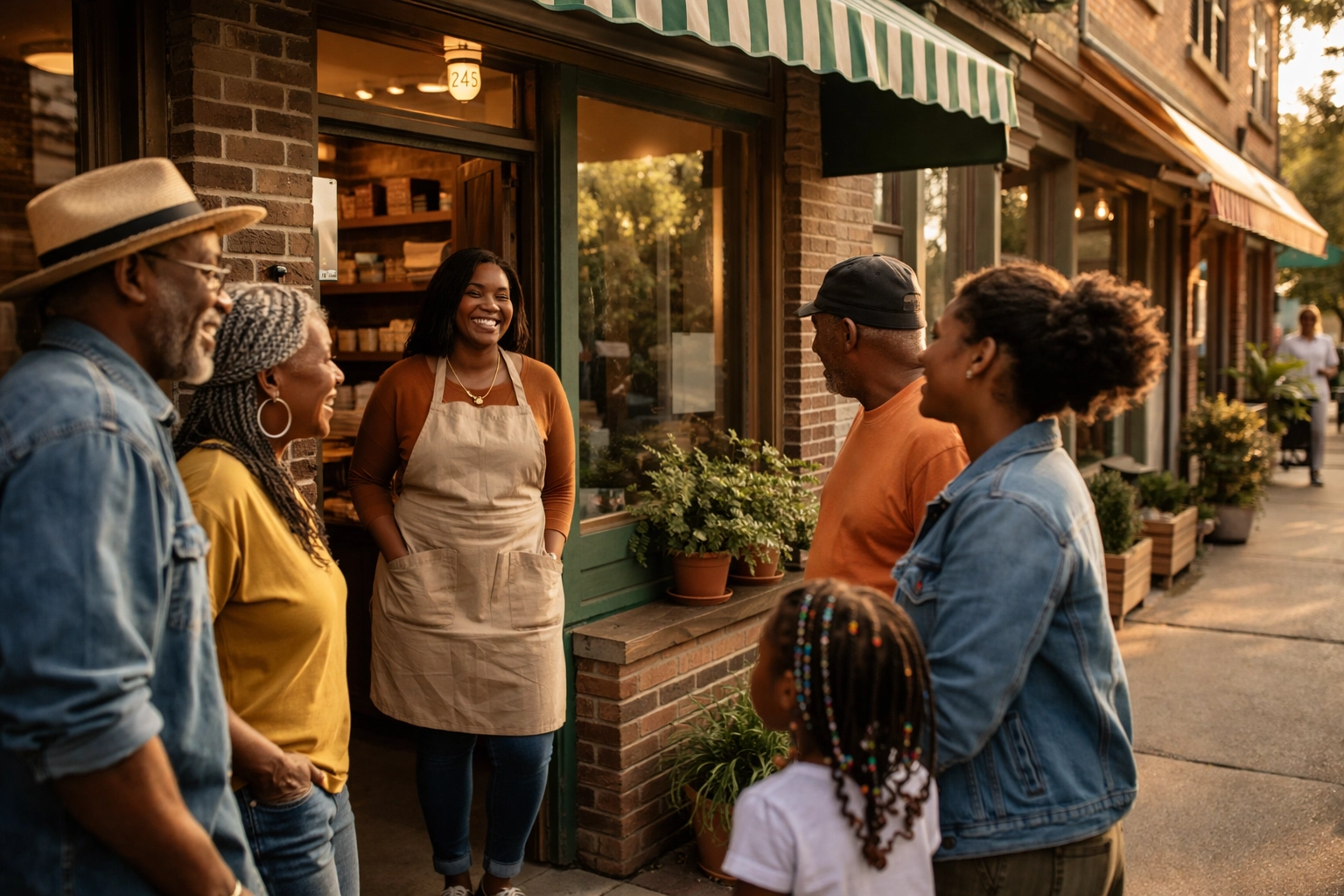
GSC stands for something more than a program or a platform. It represents a philosophy of community economics built around three core pillars: local circulation, faith-based leadership, and long-term infrastructure.
The model works because it connects the dots between churches, local businesses, and residents in ways that benefit everyone. Instead of money flowing out, it flows in circles. Instead of one-time donations, there's ongoing economic activity. Instead of dependency on external funding, communities build their own wealth.
This is what true sustainable development looks like. Not a handout, but a hand up that keeps lifting.
The Closed-Loop Economy Explained
At the heart of GSC's approach is something called a closed-loop economy. It sounds technical, but the concept is simple.
A closed-loop economy means that money spent in a community stays in that community. When residents buy from local businesses, those businesses hire local workers. Those workers spend their paychecks at other local businesses. The cycle continues.
Compare that to what happens when residents shop at big-box stores or chains headquartered elsewhere. That money leaves immediately. It pays executives in other cities. It funds expansion in other markets. The local community sees almost no benefit beyond the initial transaction.
GSC creates the infrastructure for closed-loop economics to actually happen. It connects consumers to local businesses. It gives churches a central role in promoting economic activity. It makes spending locally easier and more rewarding.
The result? Dollars multiply instead of disappearing. One dollar spent locally can circulate seven or eight times before it finally leaves the neighborhood. That's the power of keeping money moving in circles rather than straight lines.
The Role of Square Mile Representatives
Sustainable development doesn't happen by accident. It takes people on the ground making connections, solving problems, and keeping things running.
That's where Square Mile Representatives (SMRs) come in.
SMRs are the human backbone of the GSC model. Each one serves a specific geographic area: roughly one square mile. Their job is to know that territory inside and out. They know the churches. They know the business owners. They know the families.
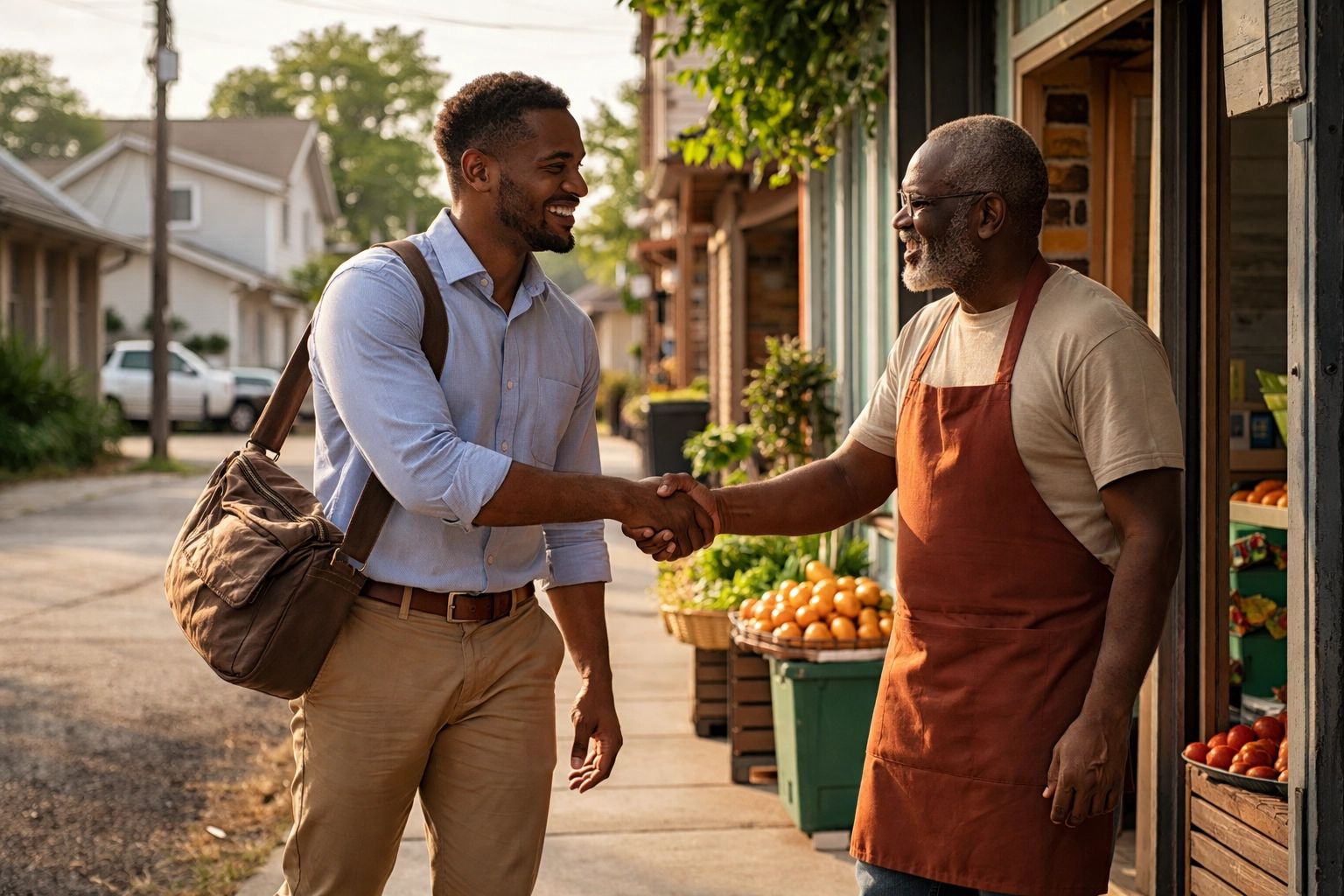
More importantly, SMRs keep the ecosystem healthy over time. They're not just there for a launch event. They're there month after month, year after year, making sure the closed-loop economy keeps functioning.
When a new business opens, the SMR helps connect them to the network. When a church wants to support local entrepreneurs, the SMR facilitates that relationship. When challenges arise, the SMR is the first responder.
This ongoing presence is what separates sustainable development from temporary programs. Systems need maintenance. Relationships need nurturing. SMRs provide both.
The Square Mile Model: A Self-Replenishing Ecosystem
Why focus on a square mile? Because it's the right size for genuine community.
Too small, and there's not enough economic activity to sustain a closed loop. Too large, and relationships become impersonal. A square mile hits the sweet spot: big enough to matter, small enough to know your neighbors.
The square mile model creates what we call a self-replenishing ecosystem. Here's how it works:
Churches anchor the community. They're trusted institutions with existing relationships. When churches promote local businesses, people listen.
Local businesses provide goods and services. They employ residents and keep money circulating. When they succeed, the whole neighborhood benefits.
Residents drive demand. Their spending choices determine whether the loop stays closed or breaks open. When they choose local, everyone wins.
SMRs maintain the connections. They ensure the ecosystem doesn't break down over time. They spot problems early and celebrate wins often.
Each part feeds the others. Churches support businesses. Businesses employ residents. Residents support churches. The cycle keeps going without needing constant outside intervention.
That's what sustainable development actually requires: systems that maintain themselves.
How Churches and Businesses Both Win
One of the beautiful things about the GSC model is that it doesn't ask anyone to sacrifice. Churches and businesses both come out ahead.
For churches, GSC provides a practical way to serve their communities beyond Sunday services. Economic empowerment becomes part of their ministry. They see real, measurable impact in the lives of their members and neighbors.
For businesses, GSC delivers customers. Not through expensive advertising, but through trusted community networks. When a church recommends a local business, that recommendation carries weight. It's word-of-mouth marketing at scale.
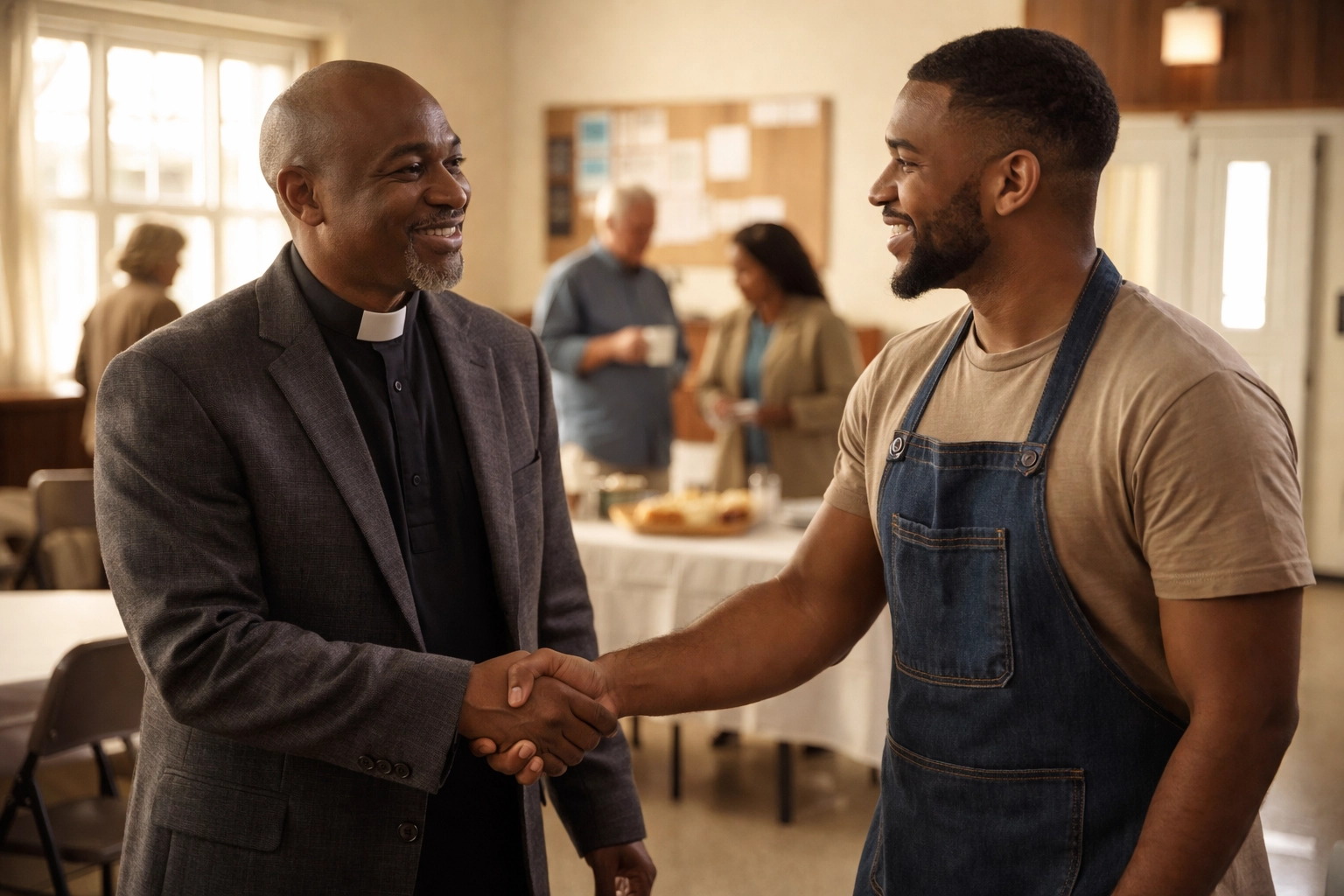
This mutual benefit is crucial for sustainability. Programs that ask people to give without receiving eventually run out of volunteers. But when everyone benefits, participation becomes natural. People show up because it makes sense for them, not just because they feel obligated.
Long-Term Vision: Communities That Thrive for Generations
The ultimate goal of GSC isn't just a better economy this year. It's communities that thrive for generations.
When children grow up seeing successful local business owners, they imagine themselves as entrepreneurs. When families experience economic stability, they invest in education and health. When neighborhoods control their own wealth, they make decisions that reflect their own values.
This is sustainable development in its fullest form. Not just surviving, but flourishing. Not just getting by, but building legacies.
The closed-loop economy, the SMR network, and the square mile model all work together toward this vision. Each piece supports the others. Each success creates conditions for more success.
Getting Started
If you're a church leader, business owner, or community advocate wondering how to create lasting change, you're not alone. Many people feel the same frustration with programs that promise much and deliver little.
GSC offers a different path. One built on economic principles that actually work. One sustained by people committed to their own neighborhoods. One designed to last.
Learn more about how The JAWS Group is building tools for community transformation at Our Square Mile. The work of sustainable development starts with understanding what's possible, and then taking the first step.
