How Outreach Creates Real Change Purpose: Storytelling SEO Focus
How Outreach Creates Real Change
![[HERO] How Outreach Creates Real Change](https://cdn.marblism.com/hN_9qOL79C4.webp "[HERO] How Outreach Creates Real Change")
There's something powerful about a church van pulling up to a neighborhood block party. Or a pastor sitting down with a local business owner to talk about jobs. Or a volunteer showing up: again and again: until trust is built.
Faith-based outreach isn't just about handing out flyers or hosting one-time events. It's about showing up consistently, building relationships, and walking alongside people through real-life challenges. When done right, this kind of outreach transforms communities from the inside out.
Let's talk about how that actually happens.
What Makes Faith-Based Outreach Different
There are plenty of organizations doing good work in communities across the country. Nonprofits, government programs, and civic groups all play important roles. But faith-based outreach brings something unique to the table.
It starts with purpose. Churches and faith communities are driven by a calling to serve others. This isn't a quarterly initiative or a grant-funded project with an expiration date. It's a long-term commitment rooted in values that don't change based on funding cycles.
Faith-based outreach also taps into existing networks. Churches are already embedded in neighborhoods. They know who needs help, who has skills to offer, and how to connect the dots between resources and needs.
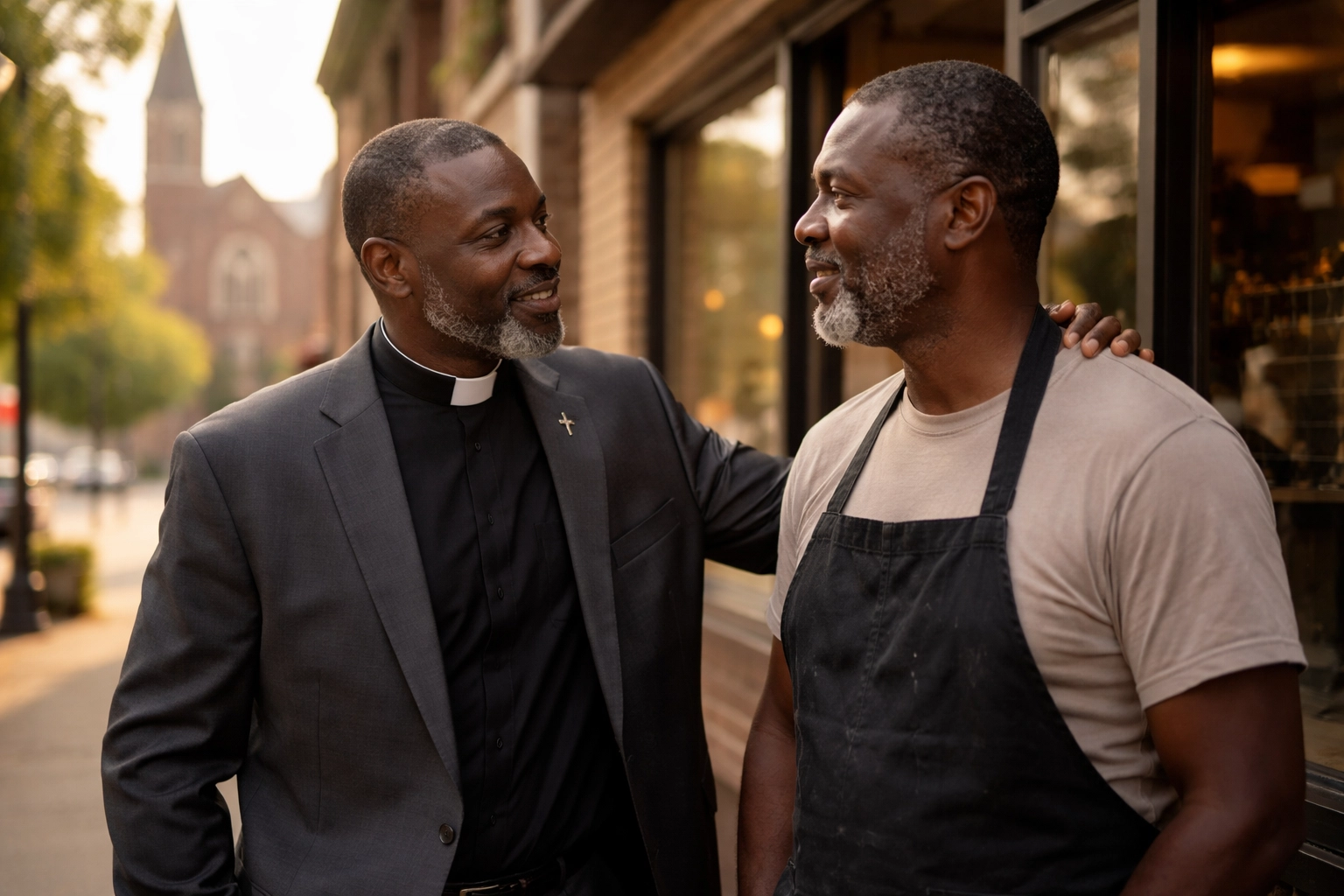
Most importantly, faith-based outreach prioritizes relationships over transactions. It's not about counting how many people you served. It's about knowing their names, their stories, and their dreams.
Stories That Show Real Transformation
Numbers matter. But stories remind us why we do this work in the first place.
A Single Mom Finds Her Footing
Consider a church in Indianapolis that started a simple food pantry. One of their regular visitors was a single mom named Tanya. She came every week, grateful for the groceries but clearly overwhelmed by life.
Over time, volunteers got to know her. They learned she'd lost her job and was struggling to find childcare. Instead of just offering food, they connected her with a church member who ran a daycare. They helped her update her resume. Six months later, Tanya had a stable job and was volunteering at the same pantry that once served her.
That's the power of faith-based outreach. It doesn't stop at the immediate need. It asks, "What else can we do to help you thrive?"
A Neighborhood Reclaims Its Identity
In another community, a group of churches came together to address blight and economic decline in their shared neighborhood. They didn't just pray about it: they organized.
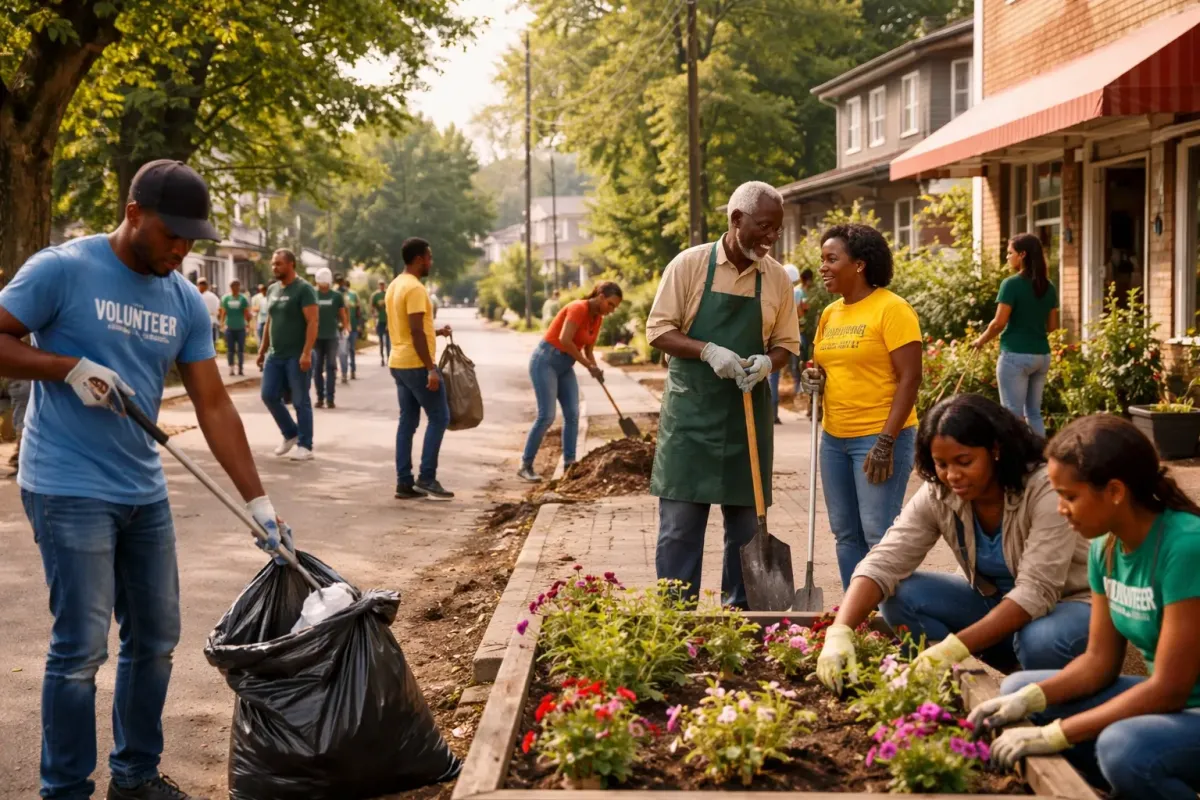
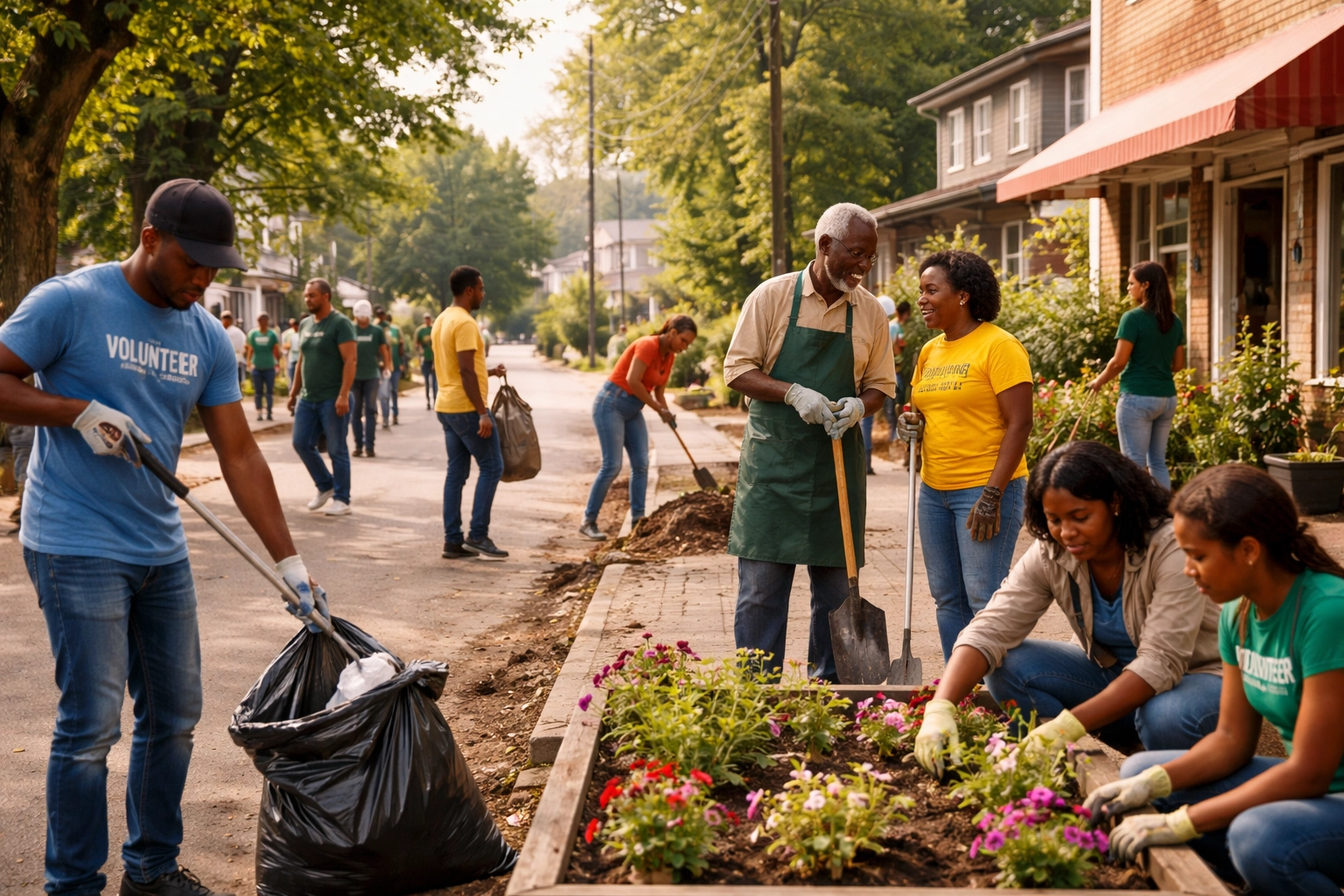
They partnered with local businesses, hosted cleanup days, and advocated for city resources. They created a directory of Black-owned businesses and encouraged members to shop locally. Within two years, vacant storefronts were filling up. New entrepreneurs were launching businesses. The neighborhood felt different.
This is what happens when faith-based outreach moves beyond charity and into community development. It's not about doing things for people. It's about working with people to create lasting change.
The Mechanics Behind the Change
Stories inspire us. But understanding how outreach creates change helps us do it better.
Engagement Builds Trust
Real change starts with showing up. Faith-based outreach creates opportunities for engagement: community events, door-to-door conversations, shared meals, and consistent presence.
This engagement builds trust. And trust is the foundation for everything else. People won't accept help from strangers. But they'll accept help from neighbors who've proven they care.
Education Shifts Perspectives
Once trust is established, outreach can educate and inform. This might mean workshops on financial literacy, health screenings, or information sessions about available resources.
Education shifts perspectives. When people understand their options and feel empowered with knowledge, they make different choices. They advocate for themselves. They share what they've learned with others.
Behavior Change Creates Momentum
As awareness grows, behavior changes follow. Maybe someone starts a savings account for the first time. Maybe a family signs up for health insurance. Maybe a young person applies for a job training program.
These individual changes create momentum. One person's success inspires another. Small wins build confidence. And confidence leads to bigger steps.
Community Participation Multiplies Impact
The most effective faith-based outreach doesn't create dependency. It cultivates participation. When community members become volunteers, leaders, and advocates, the impact multiplies.
This is where outreach becomes sustainable. It's no longer about what the church does for the community. It's about what the community does together.
Why Intentionality Matters
Not all outreach creates lasting change. Some efforts fade away without making a difference. Others actually create harm by fostering dependency or ignoring community voices.
The difference is intentionality.
Start with Listening
Effective faith-based outreach starts by asking questions, not offering solutions. What does this community actually need? What assets already exist here? Who are the trusted voices we should partner with?
Listening shows respect. It ensures that outreach addresses real priorities rather than assumptions made from the outside.
Set Clear Objectives
Vague goals lead to scattered efforts. Good outreach defines specific objectives. Maybe it's reducing food insecurity by connecting fifty families to sustainable resources. Maybe it's launching three new local businesses within a year.
Clear objectives help teams stay focused and measure progress. They also make it easier to celebrate wins and learn from setbacks.
Measure What Matters
Speaking of measurement: it's important to track the right things. Event attendance is nice. But did those attendees connect to resources? Did their circumstances improve? Are they now giving back?
Measuring what matters keeps outreach accountable and helps refine strategies over time.
The Role of Technology in Modern Outreach
Faith-based outreach has always been about relationships. But technology can amplify those relationships and extend their reach.
Digital tools help churches manage volunteer networks, track community needs, and communicate with members. Platforms like the ones offered by The JAWS Group make it easier to coordinate outreach efforts and connect people to resources.
Technology doesn't replace the human touch. But it removes friction and helps faith communities operate more efficiently. That means more time for what matters most: building relationships and serving people.
Getting Started with Purposeful Outreach
If your church or faith community wants to create real change, here are a few practical starting points:
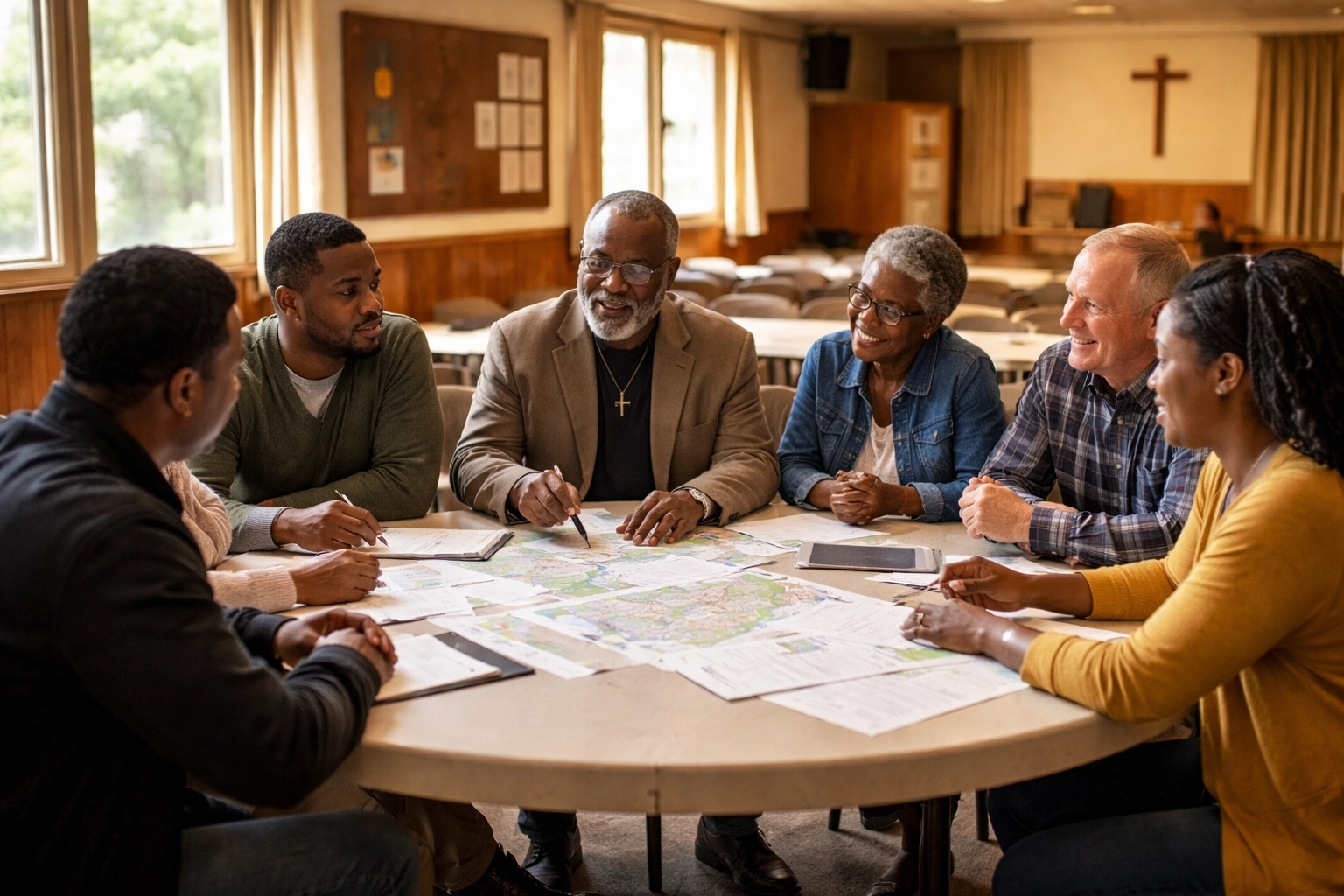
Map your neighborhood. Who lives within a square mile of your building? What businesses are nearby? What needs exist? What assets can you tap into?
Build relationships first. Before launching programs, invest time in knowing your neighbors. Attend community meetings. Partner with existing organizations. Show up consistently.
Start small and focused. You don't need to solve every problem. Pick one area where you can make a meaningful difference and go deep.
Invite participation. From day one, involve community members in planning and decision-making. Outreach is most powerful when it's done with people, not for them.
Celebrate and share stories. When change happens, tell the story. Stories inspire others and remind your team why this work matters.
Outreach Is a Long Game
Real change doesn't happen overnight. It takes years of consistent effort, relationship-building, and learning along the way.
But that's exactly what faith communities are built for. Churches aren't going anywhere. They're anchored in neighborhoods for the long haul. That stability is a gift to communities that have been let down by programs that come and go.
Faith-based outreach creates real change because it's rooted in love, sustained by purpose, and multiplied through community. It's not flashy. It's not always easy. But it works.
If you're ready to take your community impact to the next level, we'd love to help you get there. Learn more about our approach and see how we support faith-based organizations doing this important work.
