How to Integrate Faith-Based Community Development with Modern Tech
How to Integrate Faith-Based Community Development with Modern Tech
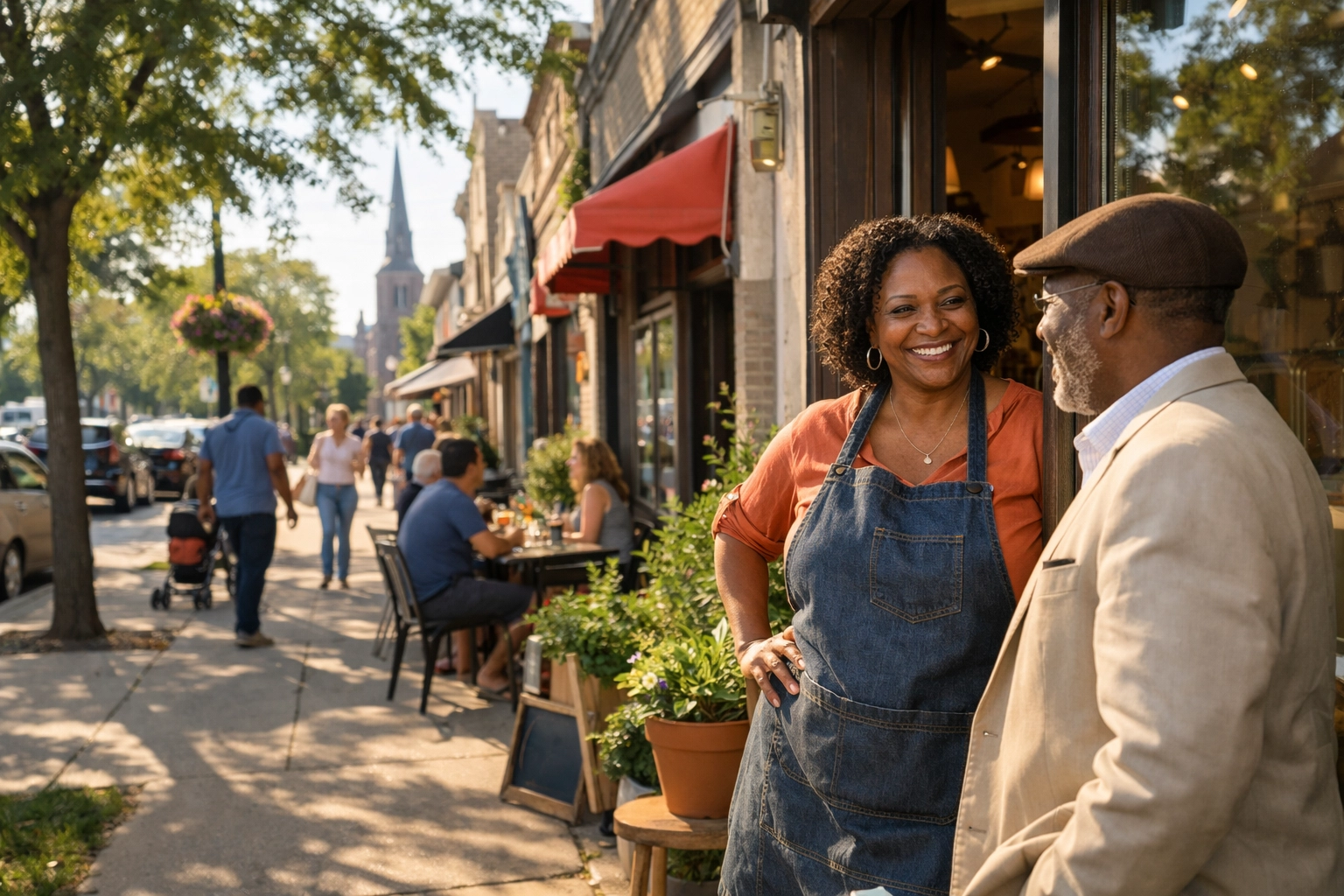
![[HERO] How to Integrate Faith-Based Community Development with Modern Tech](https://cdn.marblism.com/YX92LyFs5Ky.webp "[HERO] How to Integrate Faith-Based Community Development with Modern Tech")
Let’s be honest: when you think of "faith-based community development," the first thing that comes to mind probably isn't a high-tech command center. You’re likely thinking of potluck dinners, basement food pantries, and the tireless deacon who has been fixing the same leaky roof for fifteen years.
There’s a beautiful, gritty reality to traditional church work. It’s hands-on. It’s personal. It’s local. But here’s the kicker: the world has changed, and the needs of our neighborhoods have become more complex. If we’re going to make a dent in the challenges facing our cities, we can't keep using a 1995 playbook in a 2026 world.
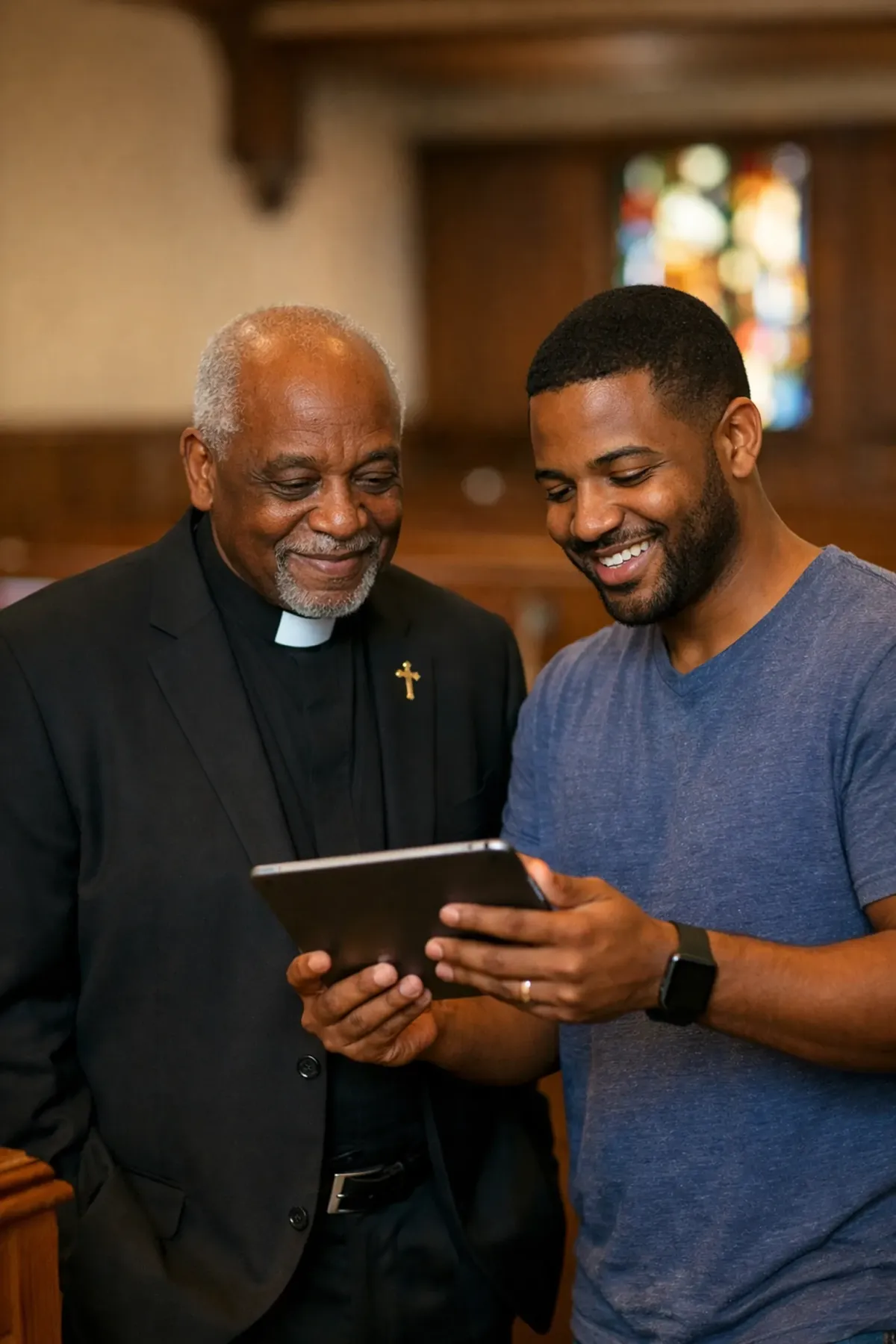
Integrating modern tech isn’t about replacing the soul of your mission; it’s about giving that mission a superpower. At The JAWS Group, we believe that when you pair the heart of the church with the efficiency of a SaaS platform, you don’t just get better outreach: you get a revolution.
The Gap Between Tradition and Impact
For decades, faith-based community development has relied on physical presence. While showing up is 90% of the battle, the other 10% is where many churches struggle: tracking, scaling, and sustaining.
We see it all the time. A church runs a great community program, but they have no idea if the people they helped last month are actually thriving today. They have a list of names on a yellow legal pad, and half the phone numbers are wrong. This is where the gap lives.
Modern tech for churches isn't about being "flashy." It’s about being effective. It’s about moving from "we think we’re helping" to "we know we’re making an impact."
Mapping the Square Mile
One of the core concepts we preach (pun intended) is the "Square Mile" model. The idea is simple: instead of trying to save the whole world and failing to change a single street, focus your energy on the square mile immediately surrounding your church.
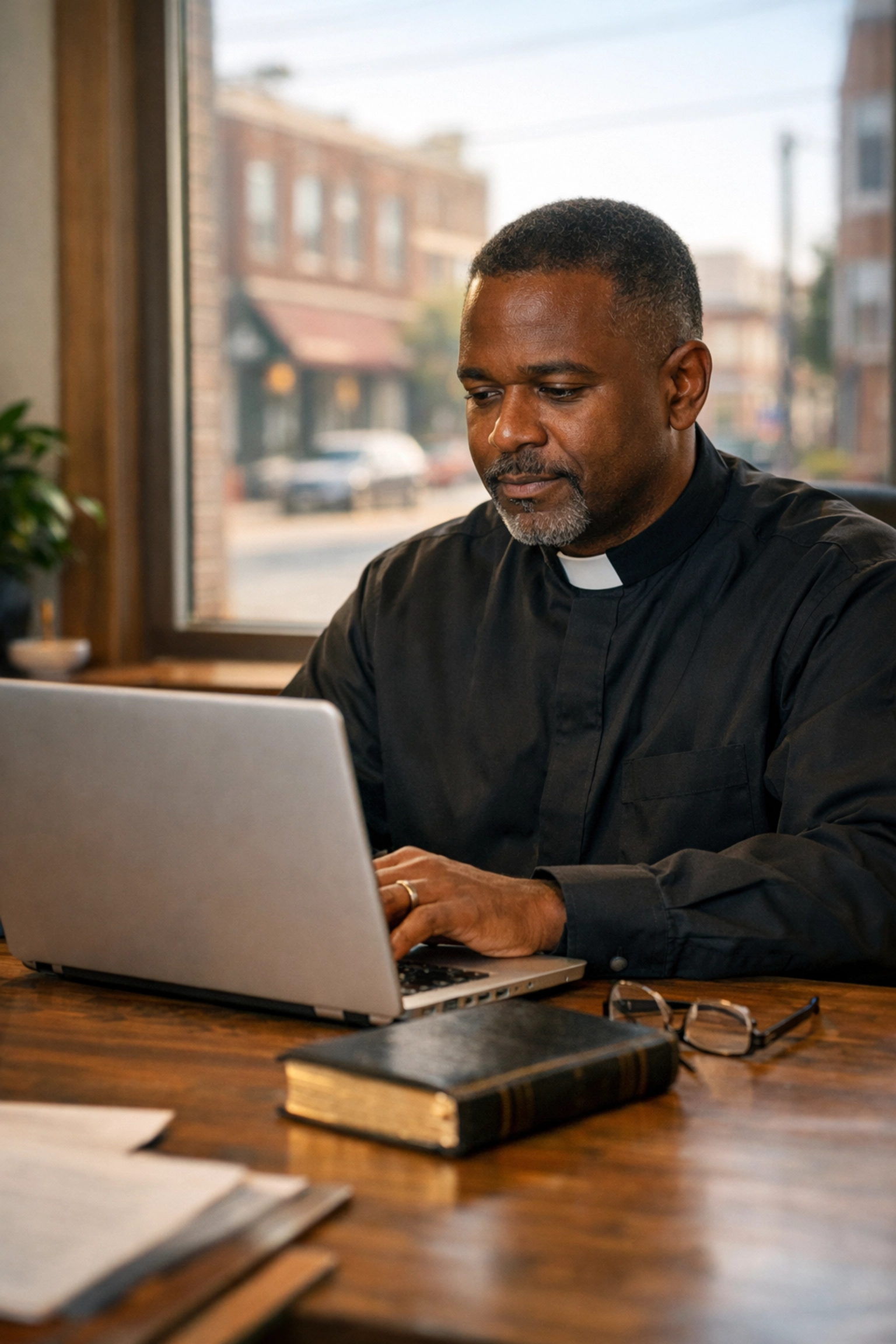
But how do you manage a whole square mile? You can't be on every porch at once. This is where church-led community development meets digital tools. By using a platform like ours, you can map out your neighborhood. You can identify which houses are senior citizens who need help with yard work, which families are struggling with food insecurity, and which local businesses are looking for workers.
Tech allows you to visualize your mission field. When you can see the data, your faith-based community development becomes surgical rather than accidental. You’re not just throwing seeds at a sidewalk; you’re planting them in prepared soil.
The Tools That Change the Game
So, what does this actually look like in practice? It’s not about having twenty different apps that don't talk to each other. It’s about an all-in-one ecosystem. Here are the "big three" tools that bridge the gap:
1. CRM for Member and Community Tracking
A CRM (Customer Relationship Management) sounds like something for a car dealership, but for a church, it’s a "Community Relationship Manager." It allows you to track every interaction. Did someone come to the food pantry? Did they mention they were looking for a job?
Instead of that information getting lost in someone’s memory, it’s recorded. The next time that person walks through your doors, your team knows exactly how to support them. This is how you turn a one-time visitor into a long-term community success story.
2. Voice AI for Outreach
Let’s talk about the phone. No one has time to call 500 people to check in on them, but everyone needs to feel heard. Modern Voice AI agents can handle the heavy lifting of church outreach programs.
Imagine an AI agent that calls your senior members every Tuesday just to see if they need a prescription picked up. Or an agent that follows up with families after a community event to ask how the church can pray for them. It’s personalized, it’s efficient, and it ensures that no one in your square mile falls through the cracks. It’s not "robotic": it’s a digital extension of your care team.
3. Streaming for Global Reach and Local Connection
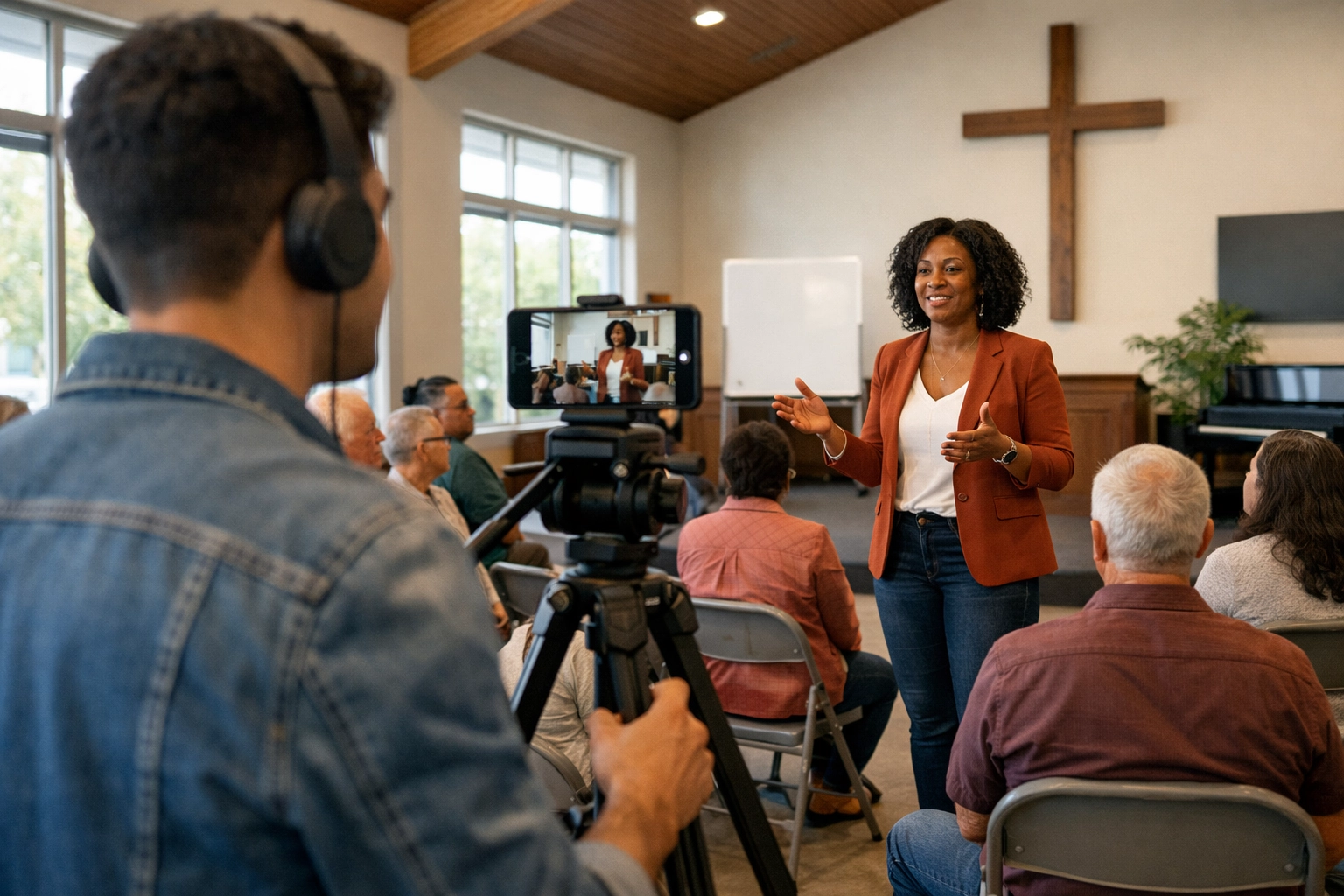
Streaming isn't just for Sunday morning sermons. In the context of community development, streaming can be used for financial literacy workshops, parenting classes, or town hall meetings. It breaks down the barrier of transportation. If a single mom can't get to the church for a seminar because she doesn't have a ride, tech brings the seminar to her living room.
Creating a Closed-Loop Economy
One of our favorite phrases at The JAWS Group is the "Closed-Loop Economy." This is the ultimate goal of faith-based community development.
In many underserved neighborhoods, money flows in (through jobs or aid) and immediately flows out to big-box retailers or outside landlords. The community stays poor because the wealth doesn't circulate.
By integrating modern tech, churches can lead the way in local economic reinvestment. You can use your platform to highlight local entrepreneurs, facilitate community-to-community commerce, and ensure that the resources within your square mile stay within your square mile. Tech gives you the infrastructure to run a local marketplace, manage community grants, and track the "velocity" of money in your neighborhood. When the church manages the loop, the community wins.
Overcoming "Technophobia" in the Sanctuary
We get it. Change is scary. There’s a fear that if we bring in too much tech, we’ll lose the "holy" part of our work. But look at it this way: the printing press was "modern tech" once. Without it, the Word wouldn't have reached the masses.
Modern tech for churches is just the 21st-century version of the printing press. It’s a tool for distribution, connection, and organization. The goal is to spend less time on spreadsheets and more time on people. If an AI can handle your scheduling and a CRM can handle your data, you are free to do what you were called to do: love your neighbor.
How to Get Started (Without Losing Your Mind)
You don’t have to build a digital empire overnight. Integrating faith-based community development with tech is a marathon, not a sprint.
Audit your current "analog" systems: Where are you losing information? What takes your team the most time? Start there.
Focus on the Square Mile: Don’t try to digitalize the whole city. Focus on your immediate neighbors first.
Pick a platform that does it all: Avoid "app fatigue." Find a system (like ours) that puts your CRM, outreach, and community tools in one place.
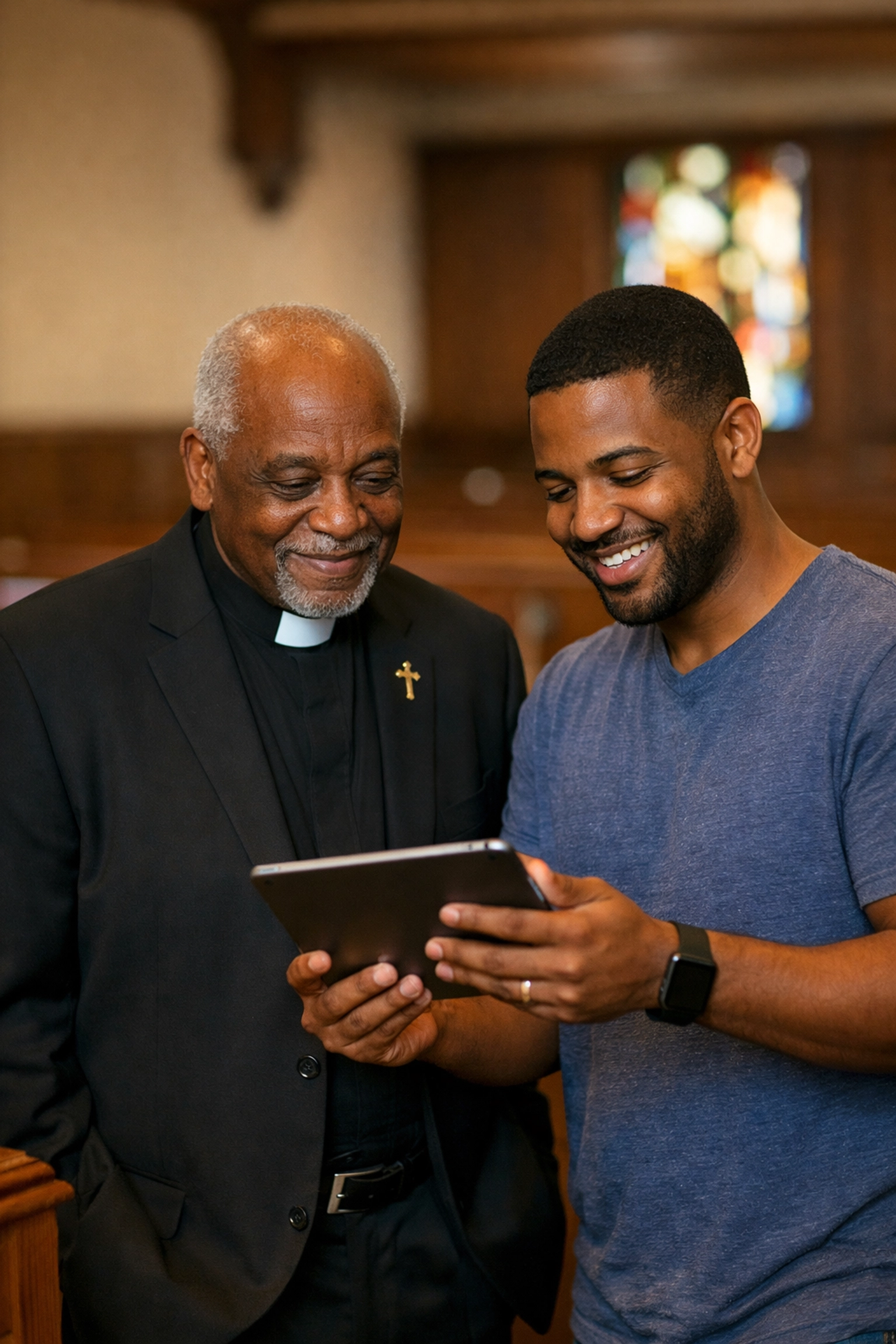
Train your leaders: Tech is only as good as the people using it. Make sure your team understands that these tools are there to serve them, not replace them.
The Future is Faith-Plus-Tech
The days of church community impact being limited by the size of your physical building are over. We are living in an era where a small congregation can have a massive, data-driven footprint in their city.
By embracing modern tech for churches, you aren't just modernizing; you’re maximizing. You’re ensuring that every dollar spent, every prayer offered, and every hour volunteered goes toward building a sustainable, thriving, closed-loop community.
At Globalliance Strategic Communities, we’ve built the tools to make this happen. We’ve done the heavy lifting on the tech side so you can focus on the heart side. Let’s stop talking about what the neighborhood used to be and start building what it could be.
Ready to see how your square mile can change? Let's get to work.
Want to learn more about how to put these tools into action? Check out our platform features or reach out to our team to see how we can help your church-led community development reach the next level.
