The Importance of Local Spending
The Importance of Local Spending
![[HERO] The Importance of Local Spending](https://cdn.marblism.com/M3x8x_GNm44.webp "[HERO] The Importance of Local Spending")
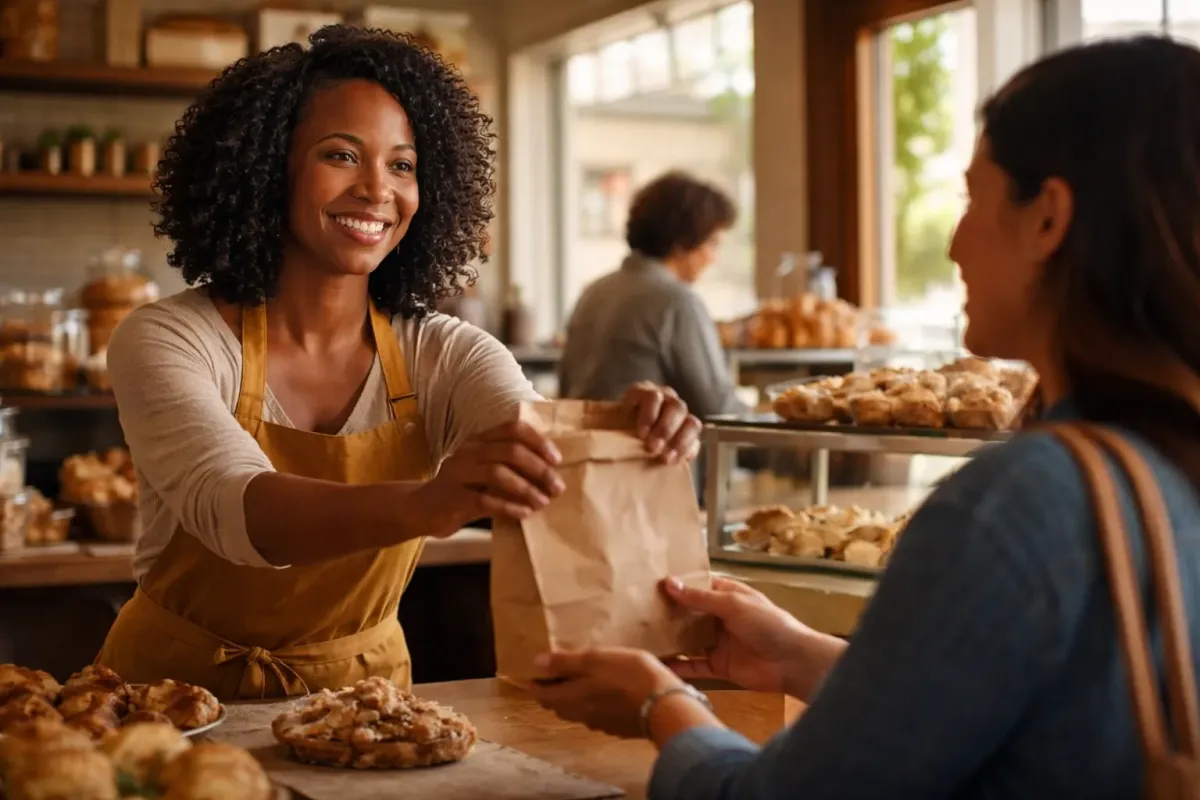
Every dollar you spend tells a story. It either leaves your neighborhood forever or it stays, circulates, and builds something meaningful. When we talk about local economy growth, we're really talking about the health and future of our communities.
For too long, many of our neighborhoods have watched money flow out faster than it flows in. We earn here, but we spend elsewhere. And over time, that pattern drains the very places we call home. But it doesn't have to be this way.
Understanding why local spending matters, and how intentional economic strategies can change everything, is the first step toward building communities that actually thrive.
What Is the Multiplier Effect?
You've probably heard the term "multiplier effect" before. But what does it really mean for your community?
Here's the simple version: when you spend money at a local business, that business owner then uses your dollars to pay employees, buy supplies, and cover expenses. Those employees and suppliers then spend their earnings at other local spots. Your single purchase ripples outward, touching multiple people and businesses along the way.
Research shows that money spent locally circulates two to four times more within a community than money spent at chain stores or online retailers. That's the multiplier effect in action.

Think of it like watering a garden. When you pour water on healthy soil, it spreads and nourishes everything around it. But if the soil is cracked and dry, that water just runs off and disappears. Local spending is the water. A connected local economy is the healthy soil.
The Real Numbers Behind Local Spending
Let's talk numbers, because they tell a powerful story.
Studies show that for every $100 spent at a local business, approximately $68 stays in the local economy. Compare that to chain stores, where only about $43 stays local. That's a significant difference.
Even more striking: local retailers return around 52% of their revenue back to the community. Big-box and chain stores? Just 14%.
Here's another way to look at it. For every $1,000 spent at local shops, roughly $352 gets reinvested in the community. The same amount spent at large chains reinvests only $148.
Now imagine if every household in your neighborhood committed to spending just an extra $10 per month at local businesses. Nationally, that would inject over $9.3 billion into local economies. In your community, it could mean new jobs, better services, and stronger streets.
Community Benefits of Keeping Money Local
Local economy growth isn't just about dollars and cents. It's about what those dollars build over time.
Job Creation and Stability
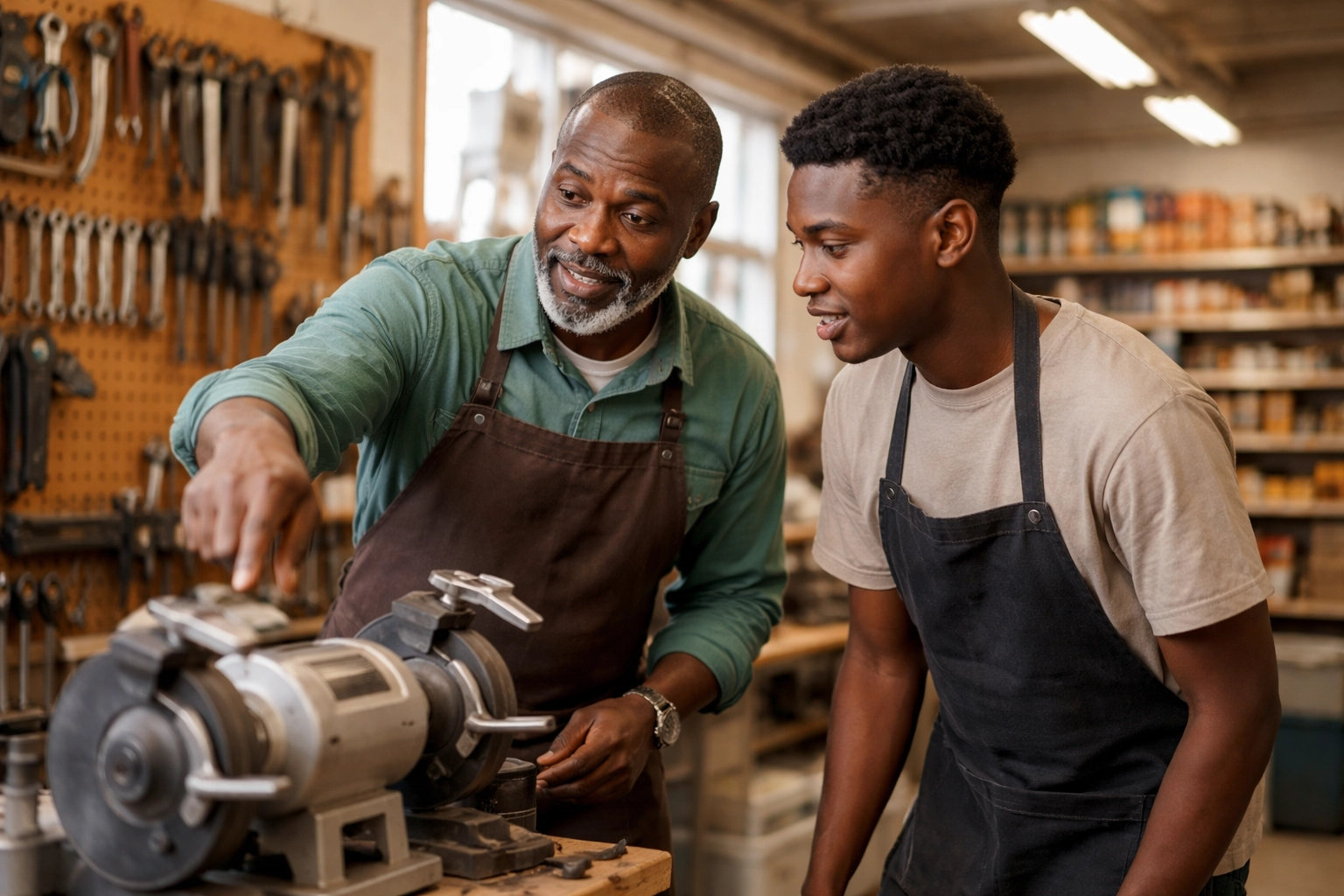
Small businesses are the backbone of employment in most communities. When local spending increases, these businesses can hire more workers, expand their services, and invest in growth. That means more jobs for your neighbors, your family members, and your friends.
Unlike large corporations that might cut jobs during downturns, local business owners are often more committed to their communities. They find ways to keep people employed because they're not just running a business: they're building a neighborhood.
Stronger Public Services
Thriving local businesses pay local taxes. Those taxes fund schools, roads, parks, emergency services, and community programs. When businesses struggle or leave, that tax base shrinks, and public services suffer.
By supporting local economy growth, you're essentially voting with your wallet for better schools, safer streets, and more vibrant public spaces.
Economic Resilience
Communities with strong local economies are better equipped to handle hard times. We saw this clearly during the COVID-19 pandemic. Neighborhoods with diverse, locally-owned businesses adapted faster and recovered quicker than those dependent on national chains and global supply lines.
When your economy is rooted locally, it's harder for outside forces to knock it down.
How GSC's Closed-Loop Economy Works
At Globalliance Strategic Communities (GSC), we've built our model around this exact principle. We call it the closed-loop economy, and it's designed to keep dollars circulating within the community as long as possible.
Here's how it works.
GSC connects local businesses, service providers, and community members into a strategic network. When you spend within this network, your money stays in the loop. It pays a local contractor who then hires a local assistant who then buys from a local supplier. Round and round it goes.
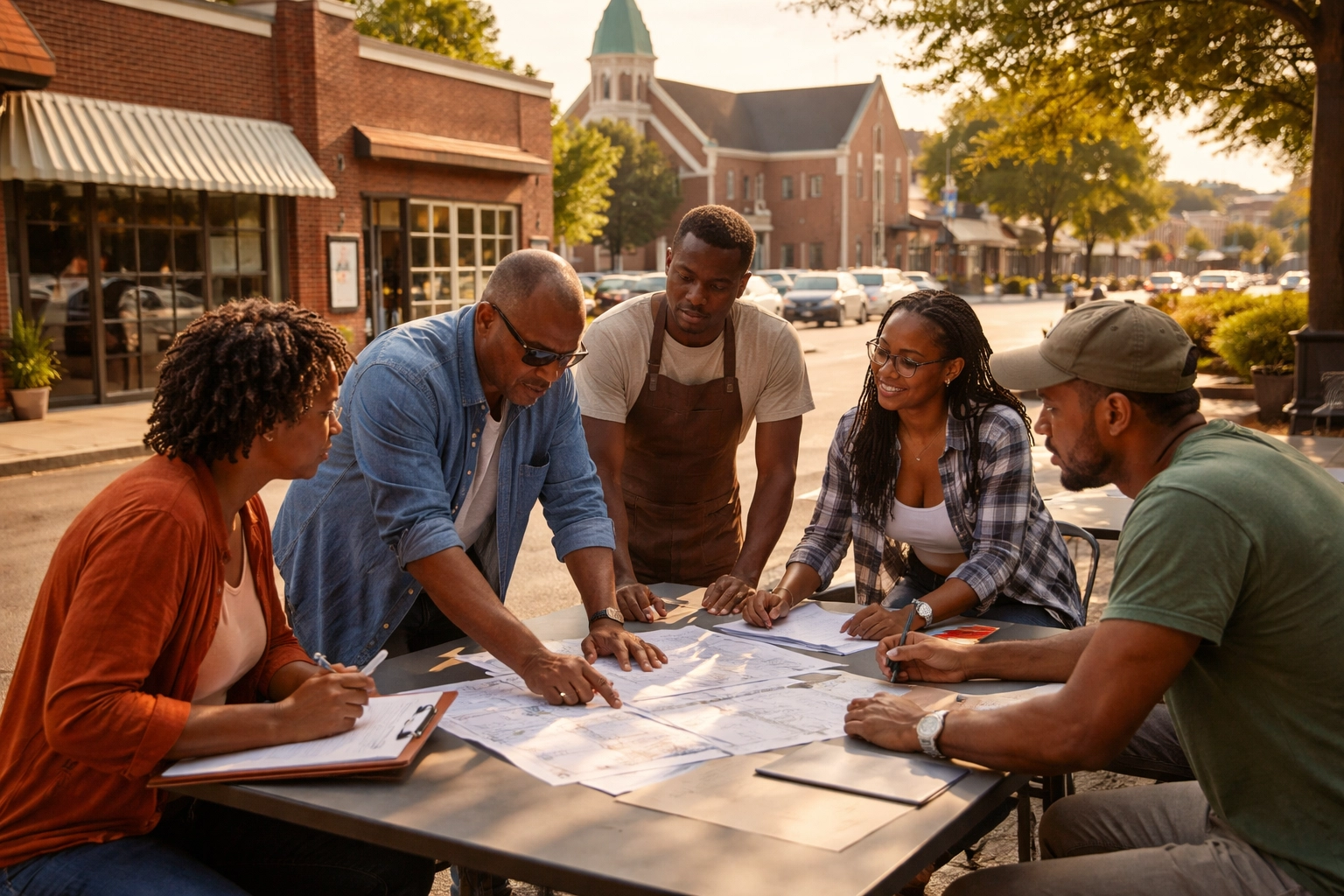
But GSC goes further. We don't just encourage local spending: we create the infrastructure to make it easy. Through our platform, community members can find local businesses, access services, and participate in programs that keep wealth building inside the community.
This isn't charity. It's strategy. It's recognizing that our communities have everything they need to thrive: we just have to connect the dots and keep the resources flowing internally.
The closed-loop model also addresses one of the biggest challenges facing underserved communities: wealth extraction. For generations, money has flowed out of our neighborhoods into other pockets. GSC's approach flips that script. We build systems where wealth is created, circulated, and retained locally.
Environmental and Social Benefits
Local spending doesn't just help the economy. It helps the planet and strengthens social bonds too.
Local businesses typically have smaller carbon footprints. They source goods from nearby suppliers, reducing transportation emissions. They don't rely on massive warehouses or cross-country shipping networks. Shopping local is often shopping greener.
And there's a human element that matters deeply. Local business owners know your name. They sponsor the little league team. They donate to the church fundraiser. They show up at community events.
When you support them, you're not just making a transaction. You're building relationships. You're investing in people who invest back in you.
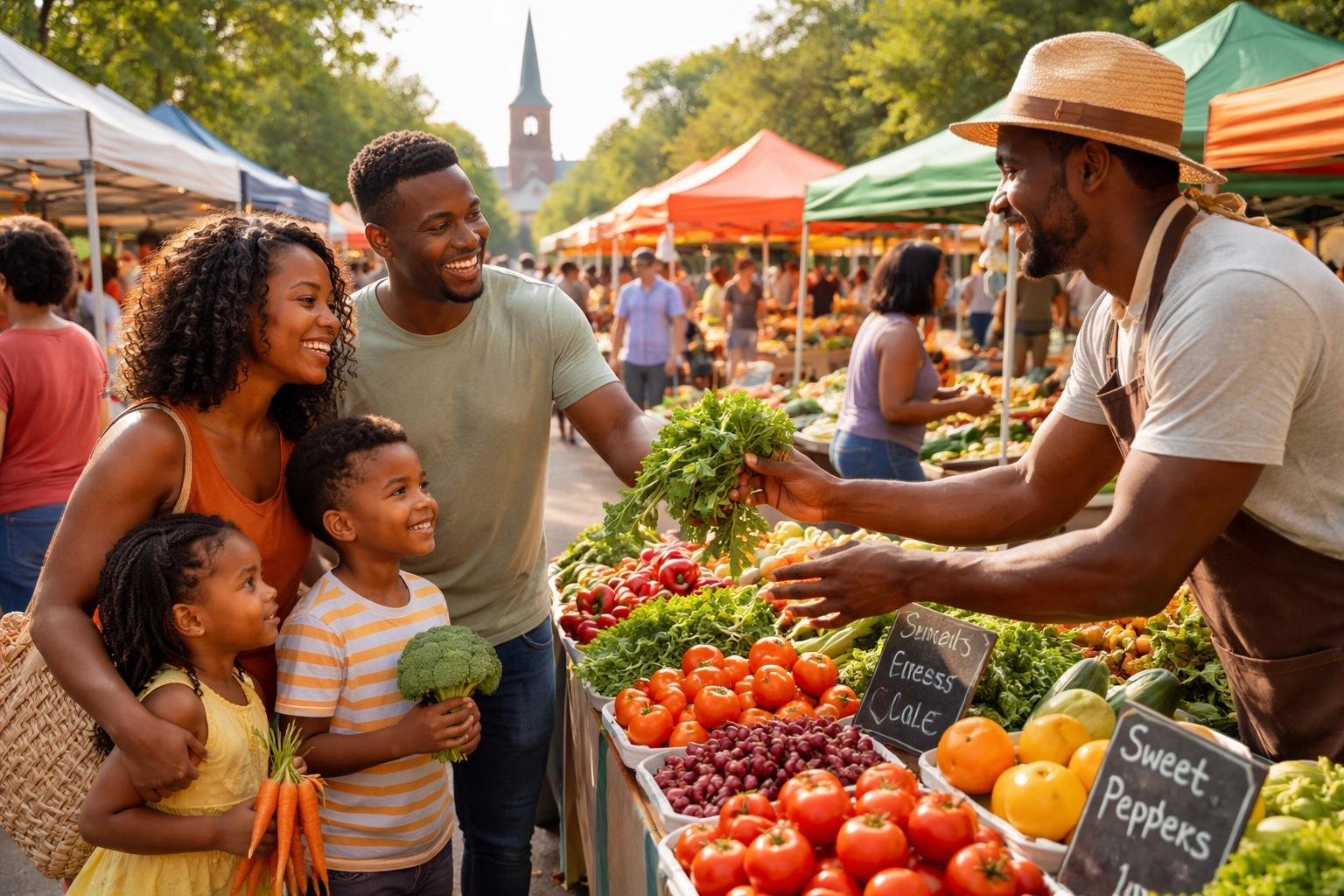
These social connections make neighborhoods safer, more vibrant, and more attractive places to live. They create the kind of community where people look out for each other: because they actually know each other.
How You Can Start Today
Building local economy growth doesn't require a complete lifestyle overhaul. Small, consistent choices add up over time.
Start by identifying three to five local businesses you can support regularly. Maybe it's a local coffee shop instead of a chain. Maybe it's a neighborhood barber or a family-owned grocery store. Make those your go-to spots.
When you need a service: plumbing, catering, tutoring: look local first. Ask neighbors for recommendations. Check community boards and local directories.
And if you're part of a church, organization, or business, think about how your spending decisions impact the community. Where does your money go after it leaves your hands? Could it stay closer to home?
GSC exists to make these connections easier. Our model brings together the people, businesses, and resources that already exist in your community and turns them into a powerful engine for growth.
Building Something That Lasts
At the end of the day, local spending is about more than economics. It's about legacy.
Every dollar that stays in your community is a brick in the foundation of something lasting. It's a job for a young person just starting out. It's a business that can pass from one generation to the next. It's a neighborhood that gets stronger instead of weaker.
We believe communities have the power to transform themselves. Not by waiting for outside help, but by leveraging what's already there. Local economy growth starts with local commitment.
If you're ready to learn more about how GSC supports communities in building sustainable, thriving economies, visit Our Square Mile to explore our work. Together, we can keep our dollars: and our futures( close to home.)
