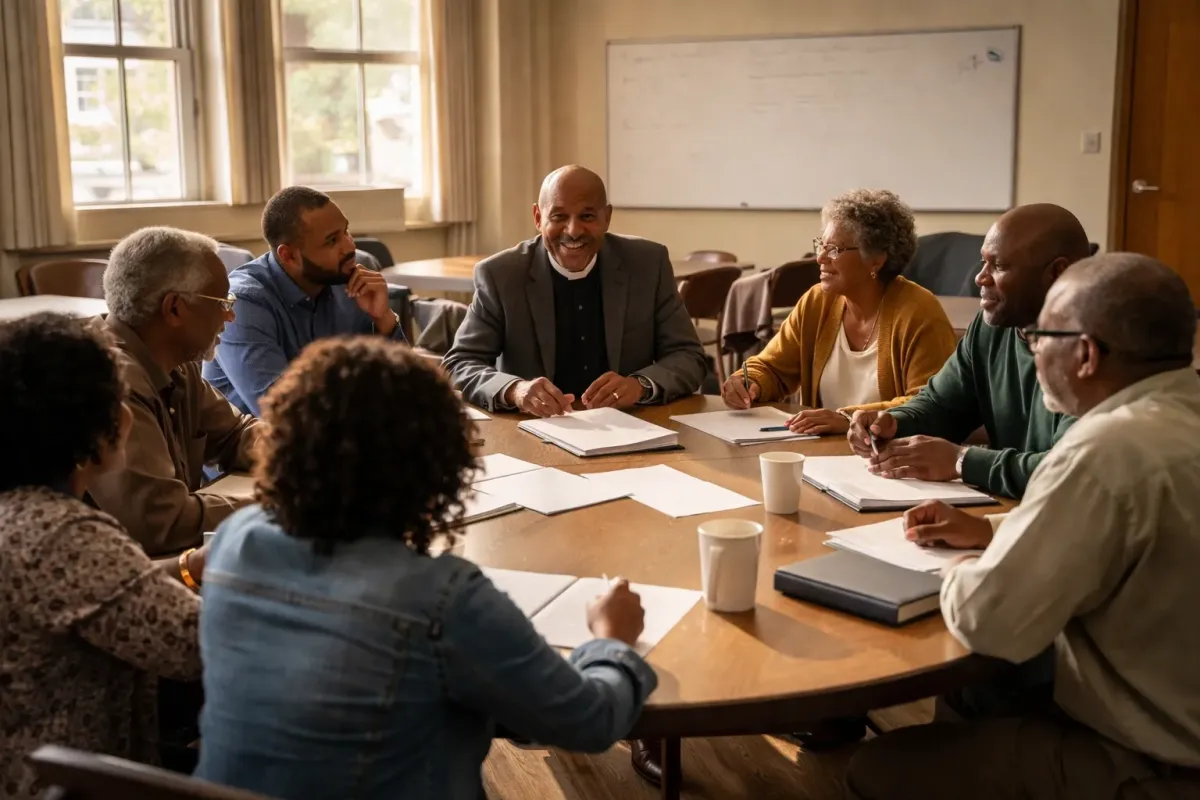
Is Your Church Ready to Lead Community Transformation?
Is Your Church Ready to Lead Community Transformation?
![[HERO] Is Your Church Ready to Lead Community Transformation?](https://cdn.marblism.com/L8TN5Cp0KXt.webp "[HERO] Is Your Church Ready to Lead Community Transformation?")
Your church sits at the heart of your neighborhood. Every Sunday, people gather. Relationships form. Hope is shared. But here's a question worth sitting with: Is your church ready to lead community transformation beyond those walls?
Churches have always been anchors in their communities. But in a time when neighborhoods face economic challenges, social fragmentation, and declining trust in institutions, there's an opportunity for faith communities to step into something bigger. Not just spiritual guidance: but real, tangible change that lifts families, strengthens local businesses, and builds lasting community health.
This isn't about adding another program to your calendar. It's about embracing a leadership role that aligns with your church's deepest calling. Let's explore what it takes to be ready: and how Globalliance Strategic Communities (GSC) can walk alongside you.
The Call to Lead Is Already There
If you look closely at your congregation, you'll likely see it: people with skills, passion, and a desire to make a difference. Teachers, entrepreneurs, healthcare workers, retirees with decades of wisdom. Your church isn't lacking resources: it's full of them.
The challenge isn't finding people who care. It's channeling that care into something structured, sustainable, and impactful. Church-led community transformation doesn't happen by accident. It requires intentional leadership, clear vision, and the right support.
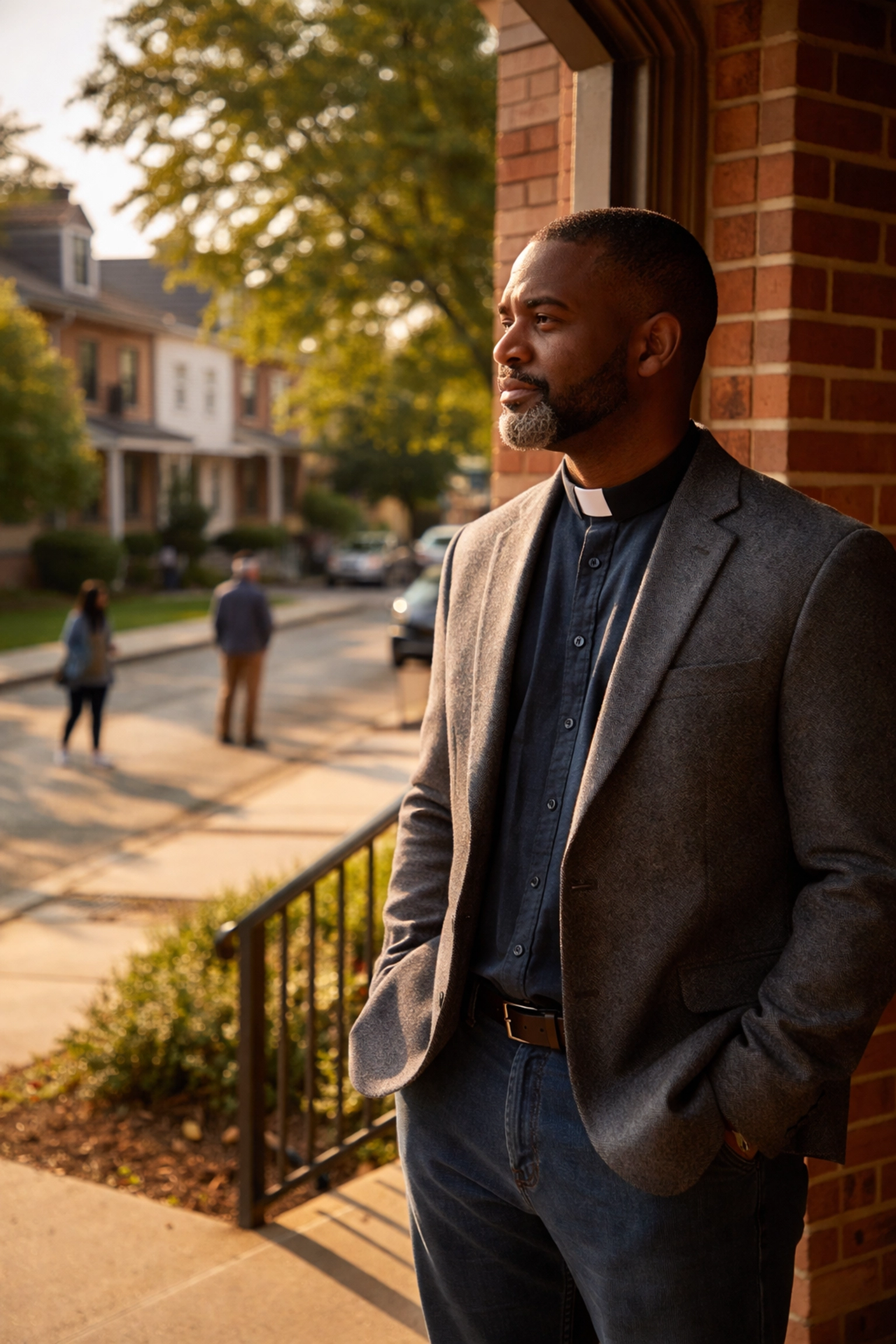
Many church leaders feel the weight of this calling but aren't sure where to start. That's completely normal. The good news? You don't have to figure it out alone.
What Does "Ready" Actually Look Like?
Readiness isn't about having all the answers. It's about having the right posture. Here are some honest questions to consider:
Is Your Leadership Committed?
Transformation starts at the top. If your pastoral team and church leadership aren't bought in, efforts will stall. This doesn't mean everyone needs to be an expert in community development. But there needs to be a genuine commitment to exploring what's possible.
Leaders must be willing to model humility, patience, and faith through the process. They need to see community transformation as an extension of the church's mission: not a distraction from it.
Do You See Strengths or Deficits?
Here's a mindset shift that matters: Are you looking at your community through a lens of problems or possibilities? An asset-based approach focuses on what's already there: the gifts, skills, and resources within your congregation and neighborhood.
When churches lead with strengths instead of deficits, the work becomes more sustainable and dignified. You're not "fixing" a broken community. You're partnering with people to build something better together.
Can You Adapt and Learn?
Church-led community transformation isn't a straight line. There will be setbacks, surprises, and moments of uncertainty. Effective leadership requires the ability to distinguish between simple problems and complex challenges.
Some issues have clear solutions. Others require new learning, changed perspectives, and transformed behaviors. Your church needs leaders who can guide the congregation through that complexity without losing sight of the mission.
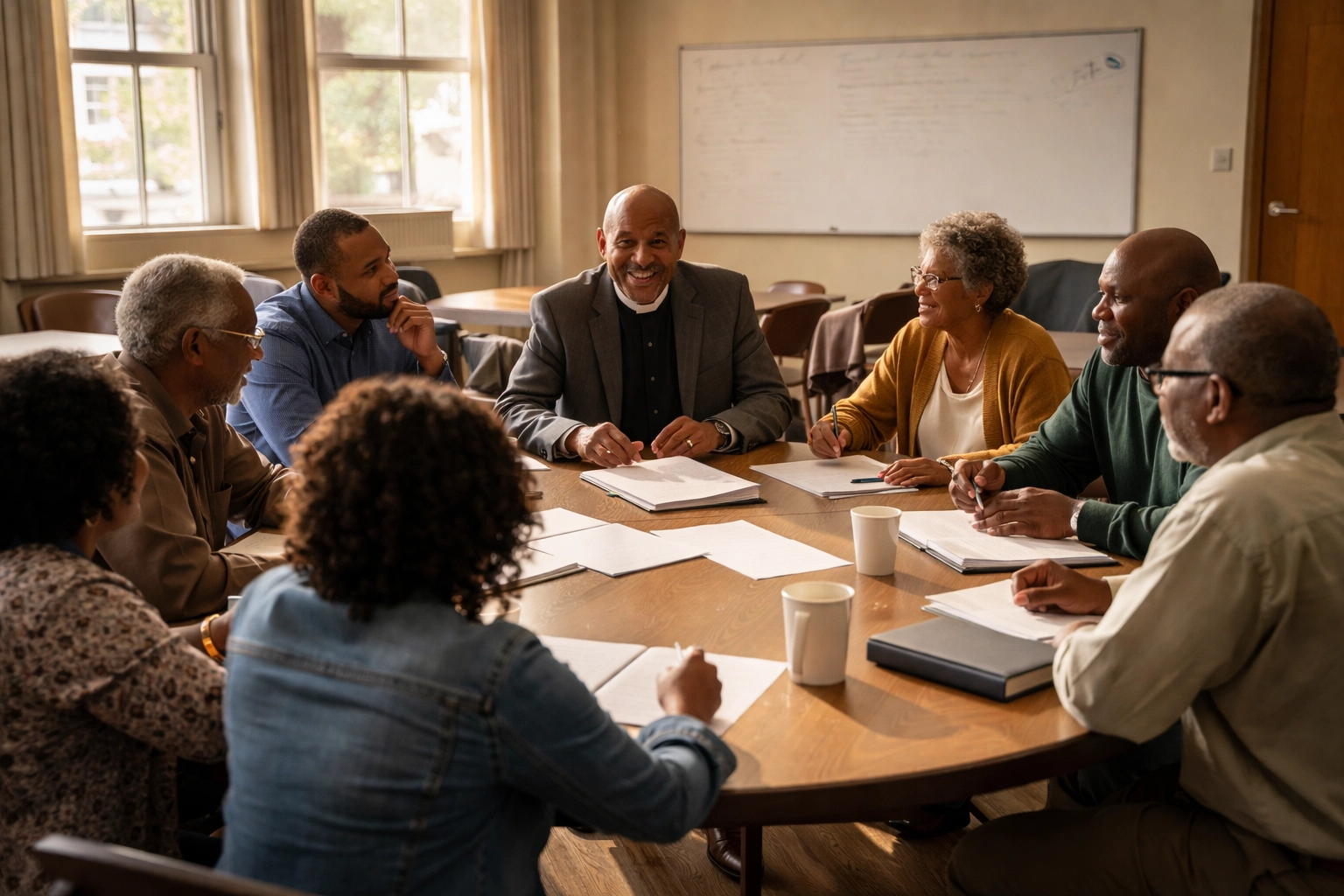
Why Churches Are Uniquely Positioned for This Work
There's a reason communities have historically turned to churches in times of need. Churches offer something no government program or nonprofit can replicate: trust built over time, rooted in relationship.
Your church knows the names of families who are struggling. You've celebrated weddings, mourned losses, and walked with people through their hardest seasons. That relational depth is the foundation for lasting change.
Faith Provides Purpose
Community development without purpose can feel hollow. But when the work is grounded in faith, it carries deeper meaning. Church-led community transformation isn't just about economic outcomes: it's about restoring dignity, building hope, and living out values that matter.
Churches Have Built-In Networks
Think about it: Your congregation is already a network. People connected across generations, professions, and life experiences. When you mobilize that network toward a common goal, the impact multiplies quickly.
Consistency Matters
Programs come and go. Grants run out. But churches remain. That consistency is powerful. When your church commits to community transformation, neighbors know you're not going anywhere. That builds trust: and trust is the currency of real change.
Where GSC Fits In
This is where Globalliance Strategic Communities (GSC) comes alongside your church. GSC isn't here to tell you what your community needs. You already know that better than anyone. Instead, GSC provides the framework, tools, and support to turn your vision into action.
A Proven Model
GSC's approach is built on real-world experience. The model connects churches with local businesses, creating an ecosystem where everyone benefits. It's not theory: it's practice. Churches across the country are already seeing results.
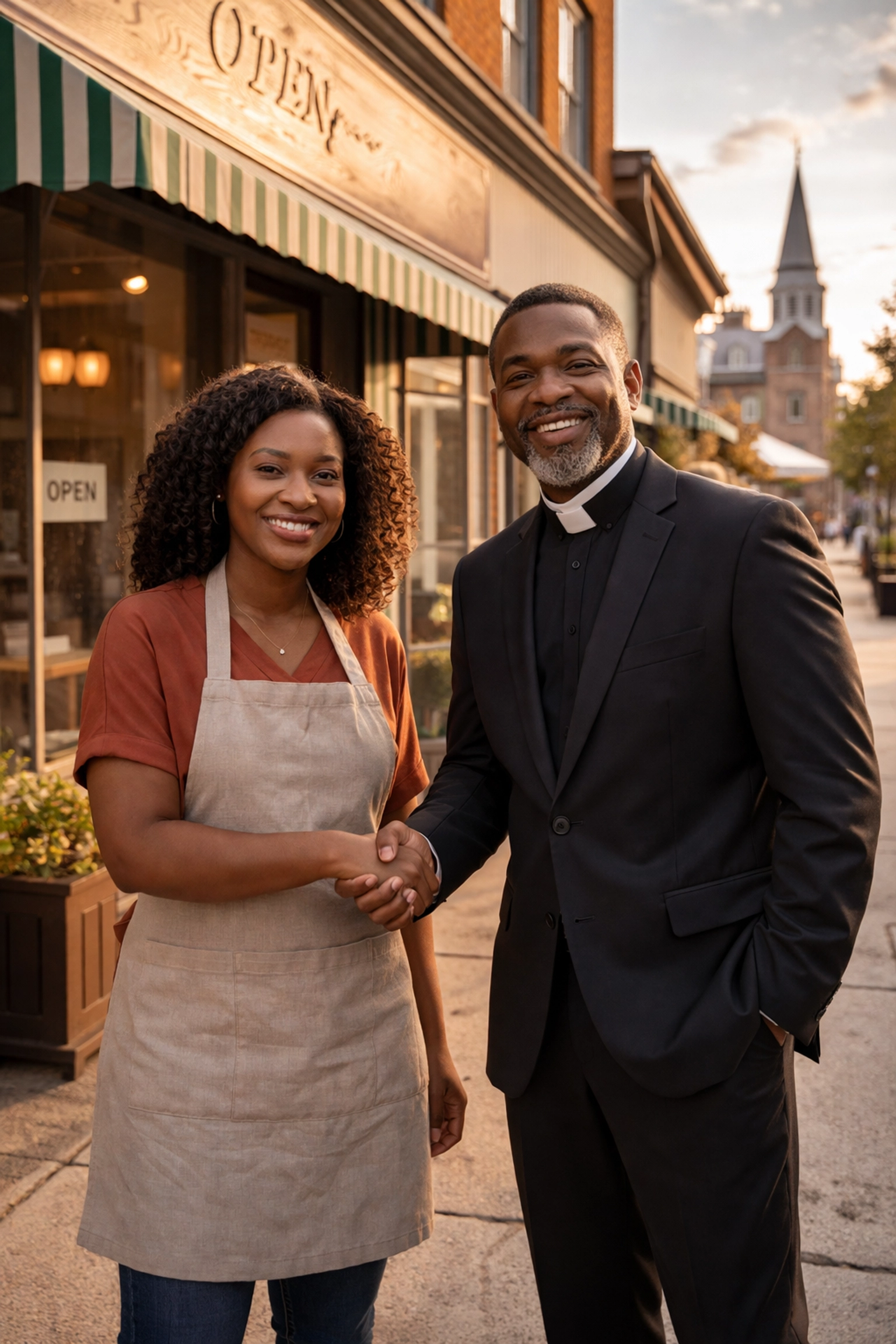
Training and Resources
Leading community transformation requires new skills. GSC offers training that equips church leaders to navigate the process with confidence. From strategic planning to partnership development, you'll have access to resources designed specifically for faith-based community work.
Ongoing Support
You won't be left to figure things out alone. GSC provides ongoing support as you implement and grow. Questions will come up. Challenges will arise. Having a partner who understands the journey makes all the difference.
The Transformation Starts Within
Here's something worth remembering: Community transformation begins inside your church first. Before you can lead outward change, there needs to be inward alignment.
That means your leadership team needs to be on the same page. Your congregation needs to understand the vision and feel ownership of it. The culture of your church needs to reflect the values you're hoping to see in your neighborhood.
This isn't a quick process. It takes time, conversation, and patience. But when your church is internally aligned, the external work becomes far more effective.
What's Holding You Back?
If you've read this far, something is resonating. Maybe you've felt this calling for a while but weren't sure how to act on it. Maybe you've tried before and hit roadblocks. Maybe you're just starting to imagine what's possible.
Whatever your situation, here's the truth: Your community needs what your church can offer. Not someday: now.
The question isn't whether church-led community transformation is possible. It's whether you're ready to step into the role.
Take the Next Step
Readiness isn't about perfection. It's about willingness. If your church is willing to explore, learn, and grow, you're more ready than you think.
GSC is here to help you take that next step. Whether you're just starting to ask questions or you're ready to dive in, there's a place for you in this work.
Visit Our Square Mile to learn more about how GSC supports churches leading community transformation. Your neighborhood is waiting. Your congregation is ready. The only question left is: Are you?
