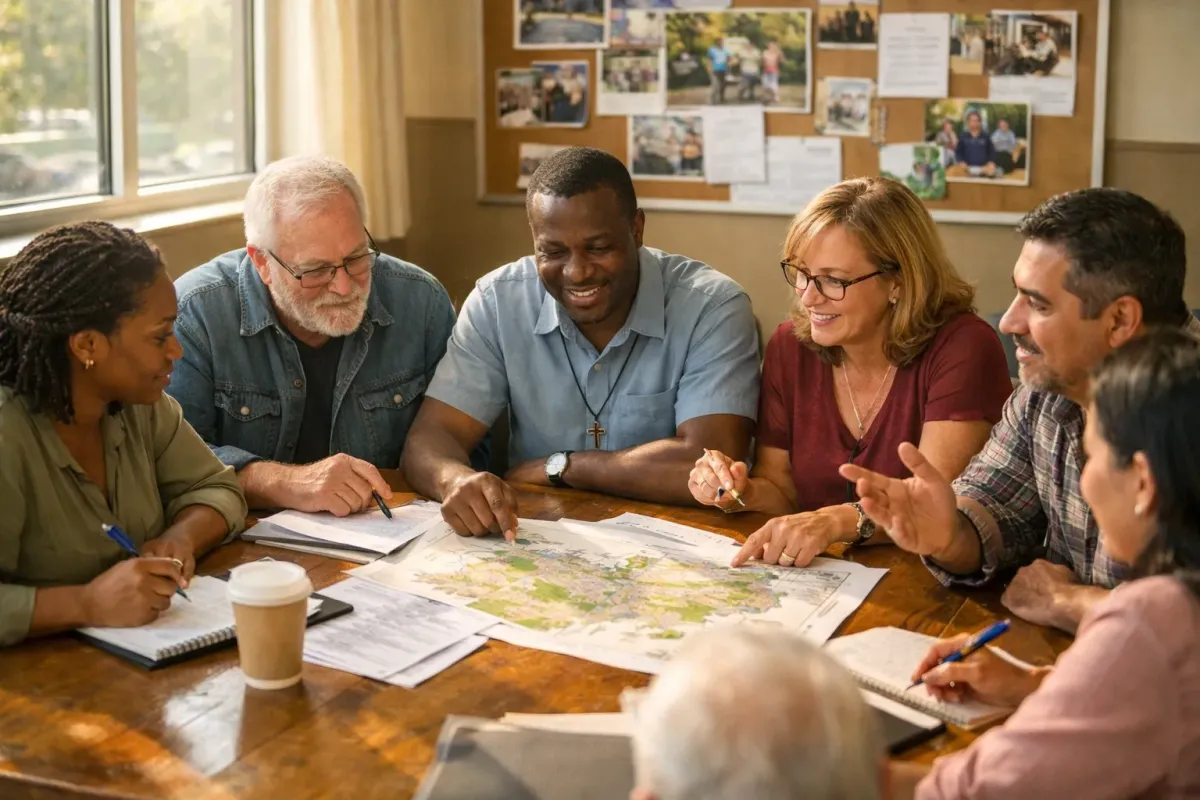
Marketing Through the Pulpit: How Local Businesses Can Partner with Ministries
Marketing Through the Pulpit: How Local Businesses Can Partner with Ministries
![[HERO] Marketing Through the Pulpit: How Local Businesses Can Partner with Ministries](https://cdn.marblism.com/ue2FgiH-_Bb.webp "[HERO] Marketing Through the Pulpit: How Local Businesses Can Partner with Ministries")
The corner store owner knows the church down the street draws hundreds of families every weekend. The pastor knows local businesses struggle to connect with community members who could benefit from their services. Both want to serve the same neighborhood, but they rarely collaborate.
Business marketing through churches isn't about slapping a logo on a bulletin or running ads during announcements. It's about building genuine partnerships that strengthen the entire community. When done right, these collaborations create value that goes far beyond traditional advertising: they build trust, foster connections, and demonstrate shared commitment to neighborhood growth.
Why Churches and Businesses Need Each Other
Local churches and small businesses share something fundamental: they rise and fall with their communities. When the neighborhood thrives, both benefit. When it struggles, both feel the impact.
Churches have built-in networks of engaged community members who gather regularly and share common values. They have physical spaces, communication channels, and deep relationships with families across different demographics. But many churches lack the resources or expertise to execute large-scale community programs effectively.
Local businesses bring financial resources, professional skills, and products or services that communities genuinely need. Yet they often struggle to build authentic connections beyond transactional relationships. Traditional advertising feels impersonal, and word-of-mouth only goes so far.

Together, they can accomplish what neither could achieve alone. A church provides the relational foundation and community trust. A business provides the resources and operational capacity. The result is partnerships that serve real needs while building visibility for both organizations.
The Ethical Foundation: Values Before Visibility
Before any business reaches out to a ministry, there's a critical question to answer: Are you looking to serve the community or simply use the church as a marketing channel?
Business marketing through churches only works when it's rooted in authentic shared values. Churches protect their platforms carefully because they've earned their community's trust over years or decades. They won't risk that trust for a sponsorship check from a business that doesn't align with their mission.
Start by identifying what your business and potential church partners genuinely have in common. Do you both prioritize financial literacy? Youth development? Senior care? Food security? The overlap between your business values and a church's ministry focus becomes the foundation for meaningful collaboration.
This alignment isn't about finding churches that need money. It's about finding ministry partners working toward the same community outcomes you care about. When that alignment exists, the partnership feels natural to everyone involved: including community members who benefit from it.
Partnership Models That Actually Work
The most effective church-business partnerships go far beyond simple sponsorships. Here are models that create real value for everyone involved.
Co-Hosted Community Events
A local bank partners with a church to offer financial literacy workshops on Saturday mornings. The church provides the space and promotes the event to its members. The bank provides the expertise and materials. Attendees learn practical money management skills, the church fulfills its mission to serve families, and the bank builds trust with potential customers.

Event co-hosting works because it creates immediate, tangible value. The community receives services or experiences they wouldn't have otherwise. The church strengthens its role as a community hub. The business demonstrates expertise while building authentic relationships.
Consider partnering on health fairs, back-to-school supply drives, career development workshops, or seasonal celebrations. The key is making the event about community benefit first, with business visibility as a natural byproduct.
Shared Service Initiatives
Some of the strongest partnerships emerge when businesses and churches collaborate to address specific community needs. A landscaping company might partner with a church to maintain community gardens or beautify senior housing. A restaurant could work with a food ministry to prepare meals for homebound community members.
These initiatives showcase business capabilities while directly serving people. They create stories worth sharing and memories that stick with community members far longer than any advertisement could.
Cross-Promotion With Purpose
When done thoughtfully, cross-promotion can benefit everyone. A church might share information about a local tutoring center's after-school programs in its weekly newsletter. In return, the tutoring center displays information about the church's family events in its waiting area.
This works because both organizations are genuinely recommending services that align with their communities' needs. It's not advertising: it's resource sharing. The difference matters enormously to the people receiving these recommendations.
Making Partnerships Practical With the Right Tools
Even the best partnership ideas fall apart without proper communication and coordination. This is where having the right systems makes the difference between intentions and impact.
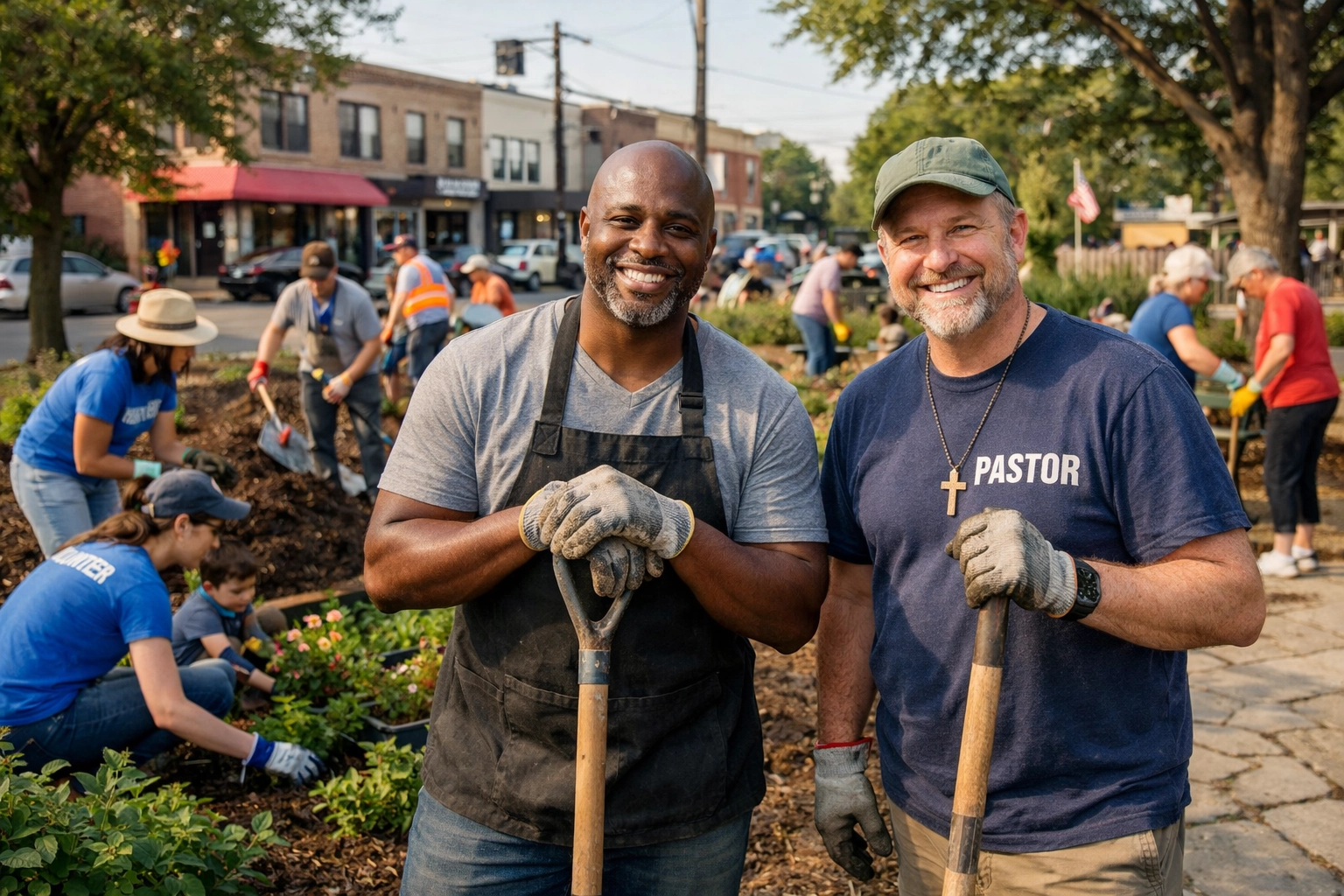
Managing business marketing through churches requires consistent communication across multiple channels. Ministry leaders need to share partnership opportunities with their congregations. Business owners need to coordinate event logistics. Both need to track what's working and celebrate successes together.
Modern platforms designed for community organizations solve these coordination challenges. Tools that combine community directories, social media planning, and communication features help partnerships run smoothly without creating administrative burdens.
For example, a church-business partnership planning a community health fair could use shared digital tools to coordinate volunteers, promote the event across social media channels, and maintain a directory of participating organizations. Our Square provides exactly these kinds of integrated solutions that help ministries and their partners communicate effectively and execute community initiatives without drowning in spreadsheets and email chains.
When both parties have clear visibility into partnership activities and can easily share updates with their respective communities, collaboration becomes sustainable rather than overwhelming.
Starting the Conversation
The hardest part of any partnership is the initial outreach. Here's how to approach it in a way that respects both organizations' time and priorities.
Do Your Homework First
Before reaching out to any church, learn about its mission, values, and current community programs. Visit the website, attend a service if appropriate, and understand what the ministry is already doing in the community. Your partnership pitch should connect to their existing work, not ask them to start something entirely new.
Lead With Community Impact
When you make contact, focus the conversation on community outcomes rather than business benefits. "We'd like to help address food insecurity in the neighborhood" resonates differently than "We'd like to get our brand in front of your congregation." Both might be true, but leading with community impact demonstrates where your priorities lie.
Start Small and Build Trust
Propose a single, manageable collaboration rather than a sweeping long-term partnership. Volunteer to help with an existing church event. Sponsor a specific program for one season. Offer to provide your professional services for a community initiative they're already planning.
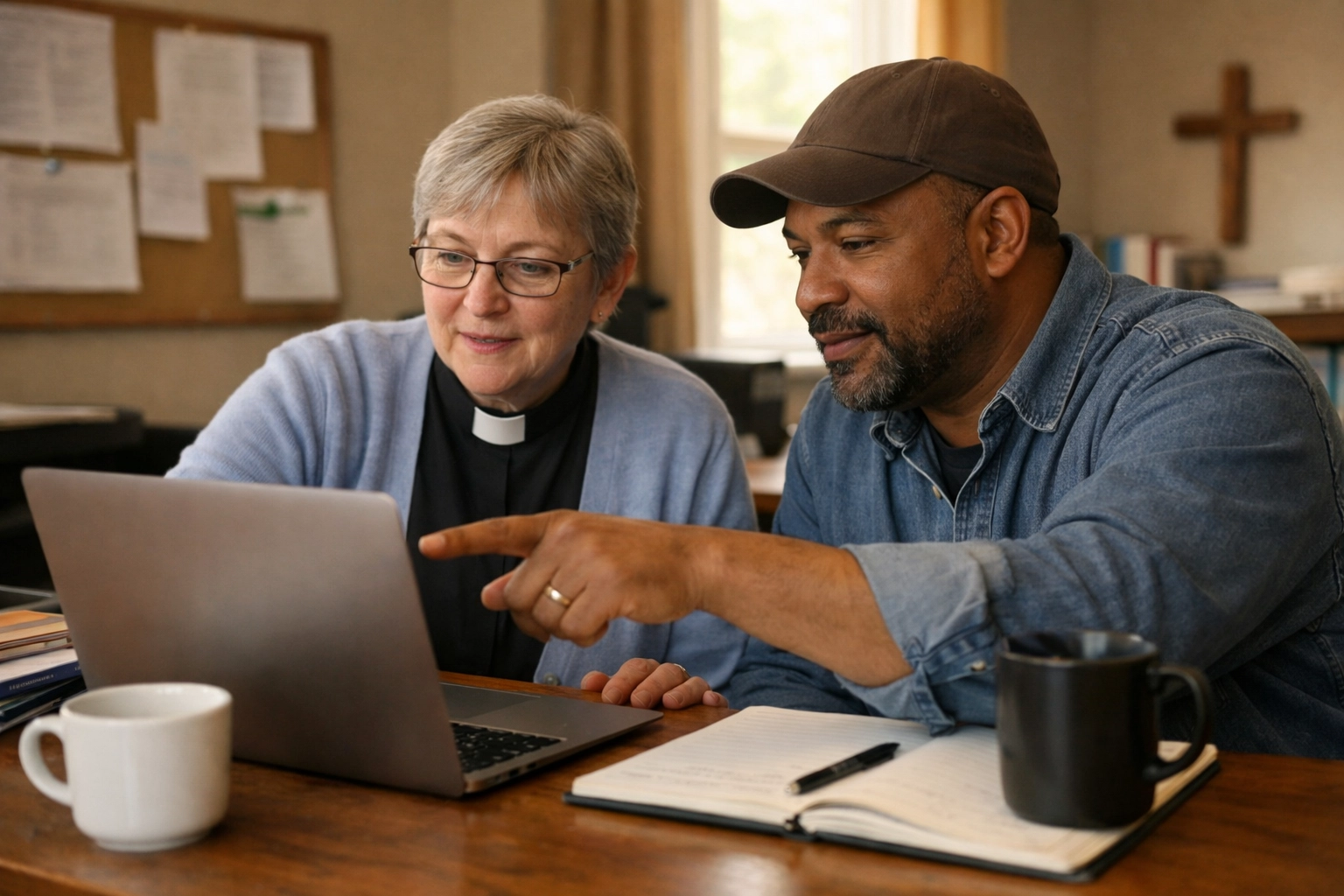
Small successes build trust and create foundation for larger collaborations. They also give both parties a chance to evaluate whether the partnership feels right before making bigger commitments.
Maintaining Long-Term Partnerships
One-time collaborations are valuable, but the real power of business marketing through churches emerges from ongoing relationships. Sustainable partnerships require intentional relationship management from both sides.
Designate a specific person from your business as the ministry partnership coordinator. This person maintains regular contact with church leadership, stays updated on upcoming programs, and looks for opportunities to contribute. Consistency matters more than grand gestures.
Celebrate partnership successes publicly. When a collaboration achieves its goals, share that story through both organizations' communication channels. Recognition reinforces that the partnership creates real value and encourages continued collaboration.
Be responsive to the church's evolving needs. Ministry priorities shift with seasons and community circumstances. Partnerships that adapt to these changes remain relevant and valuable over time.
The Bigger Picture
When local businesses and churches partner effectively, they create something larger than marketing or ministry alone. They build ecosystems of community support where people's needs are met through multiple, interconnected relationships.
A family might first encounter your business through a church-sponsored workshop. They return because the service is excellent and the values align with their own. They recommend you to neighbors, and the cycle continues. But it all started with a partnership rooted in genuine community commitment.
This is marketing in its truest sense: creating and maintaining relationships that benefit everyone involved. It requires patience, authenticity, and systems that support collaboration rather than complicate it.
The businesses and churches doing this well aren't looking for shortcuts to growth. They're investing in their communities' long-term health, knowing that when neighborhoods thrive, every organization within them benefits. That's not just smart marketing. That's community building that happens to be good for business.
Ready to strengthen your ministry's community partnerships? Learn How Our Square Mile Program helps churches and their partners communicate effectively, coordinate initiatives, and build lasting community impact.
