The Pastor’s Guide to Building a Closed-Loop Economy in Your Neighborhood
The Pastor’s Guide to Building a Closed-Loop Economy in Your Neighborhood
![[HERO] The Pastor’s Guide to Building a Closed-Loop Economy in Your Neighborhood](https://cdn.marblism.com/AZaLvJklrWH.webp "[HERO] The Pastor’s Guide to Building a Closed-Loop Economy in Your Neighborhood")
Let’s be honest for a second: Pastors are often the busiest people in the neighborhood. You’re juggling Sunday services, mid-week counseling, leaky roofs, and the eternal struggle of getting the youth group to show up on time. But lately, you’ve probably noticed something else weighing on your heart. It’s the realization that while your congregation is growing spiritually, the neighborhood around the church building is struggling financially.
You see the same story everywhere. People work hard, they get their paychecks, and that money immediately leaves the community. It goes to big-box retailers, distant landlords, and corporate chains that don't know your name and definitely don’t care about your block. In the economic world, we call this "leakage." In the spiritual world, it feels like a hole in the bucket.
What if we stopped trying to find a bigger bucket and started plugging the holes? That’s where the closed-loop economy comes in. It’s not just a fancy buzzword; it’s a way to practice what we call "Shalom Economics." It’s about moving from an extractive system, where resources are sucked out, to a restorative one where wealth stays, grows, and blesses the people right where they live.
The Square Mile Model: Why Local Focus Matters
In simple terms, a closed-loop economy is a system where goods, services, and money circulate within a specific area for as long as possible. Think of it like a community greenhouse. Instead of letting the heat escape, the structure keeps it inside to help everything grow faster and stronger.
For a church, this means looking at your "Square Mile." We talk about the Square Mile community model a lot because it’s manageable. You can’t save the whole world on a Tuesday, but you can certainly get to know the businesses within a few blocks of your steeple. When the church buys its coffee from the local cafe, the cafe owner uses that money to fix their sign at the local hardware store, and the hardware store owner tithes at your church, the loop is closed. The wealth stays in the family.
From 'Club' to 'Hub': Reimagining Church Assets
Before we get into the "how-to," we have to address the "who-we-are." For too long, many churches have operated like private clubs. You have your members, your secret handshakes (or specific worship styles), and your private building that sits empty five days a week.
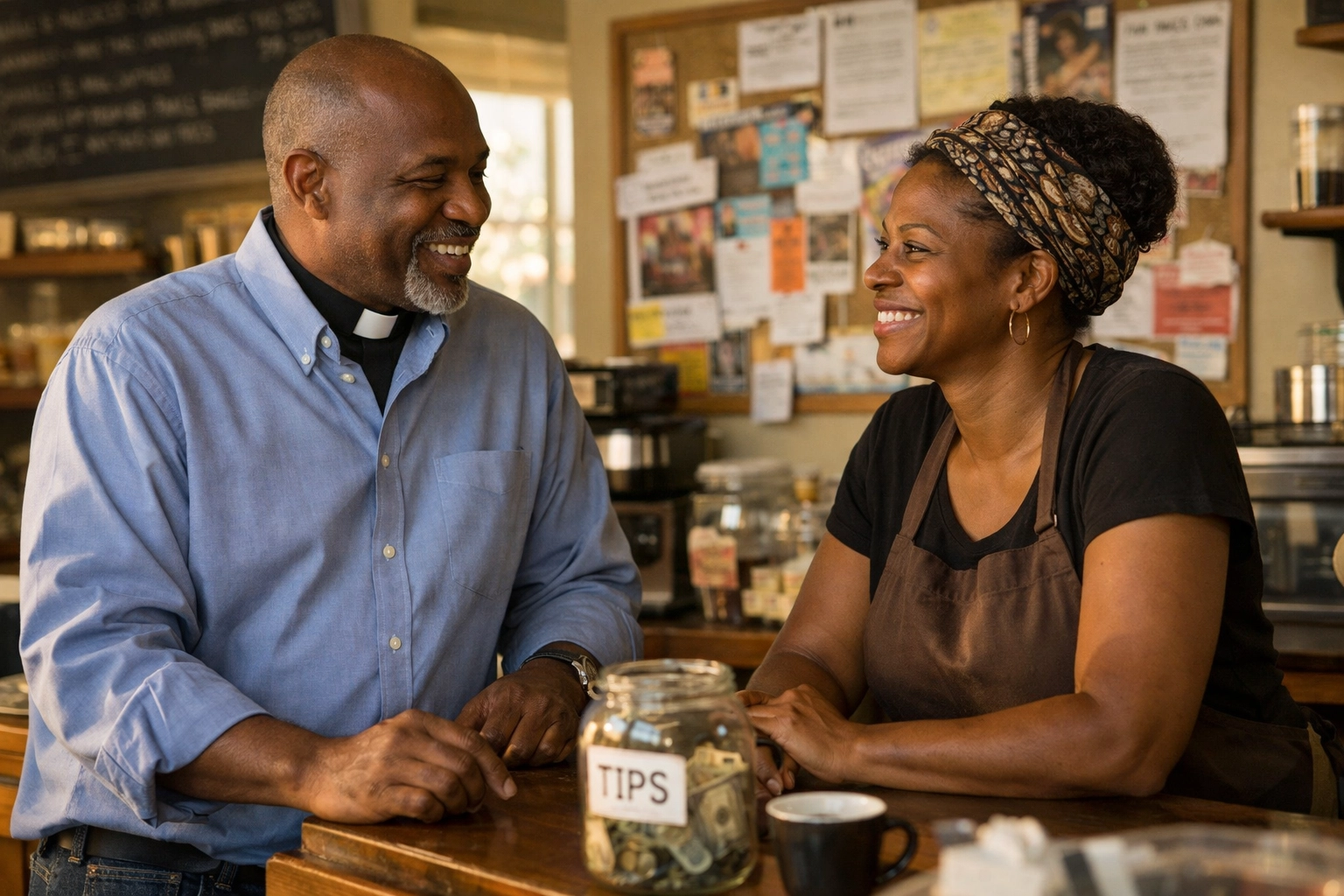
To build a closed-loop economy, the church has to transition from a "Club" to a "Hub." A hub is a central point of activity. It’s a resource center. It’s where the community’s assets meet the community’s needs. When you open your doors for more than just a sermon, you become the heartbeat of church-led community development. You start seeing your building not as an overhead cost, but as an economic engine.
Practical Steps: Building Your Local Economic Ecosystem
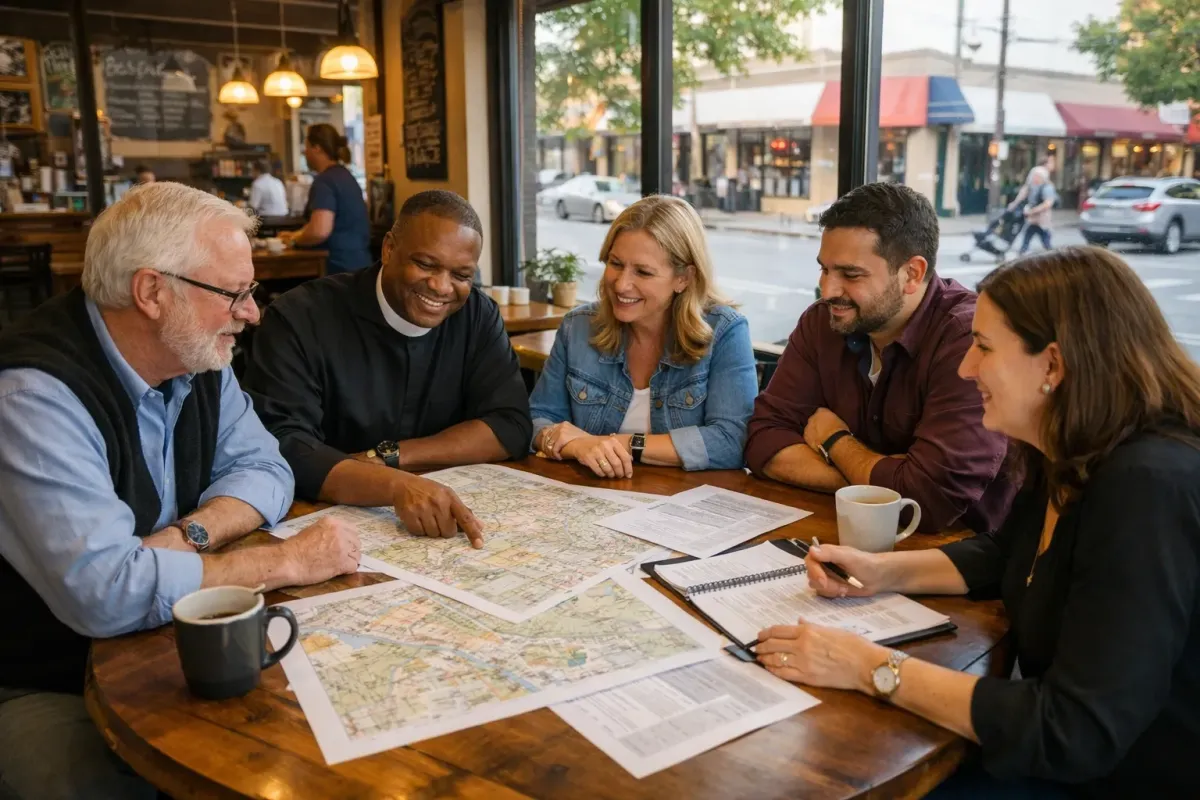
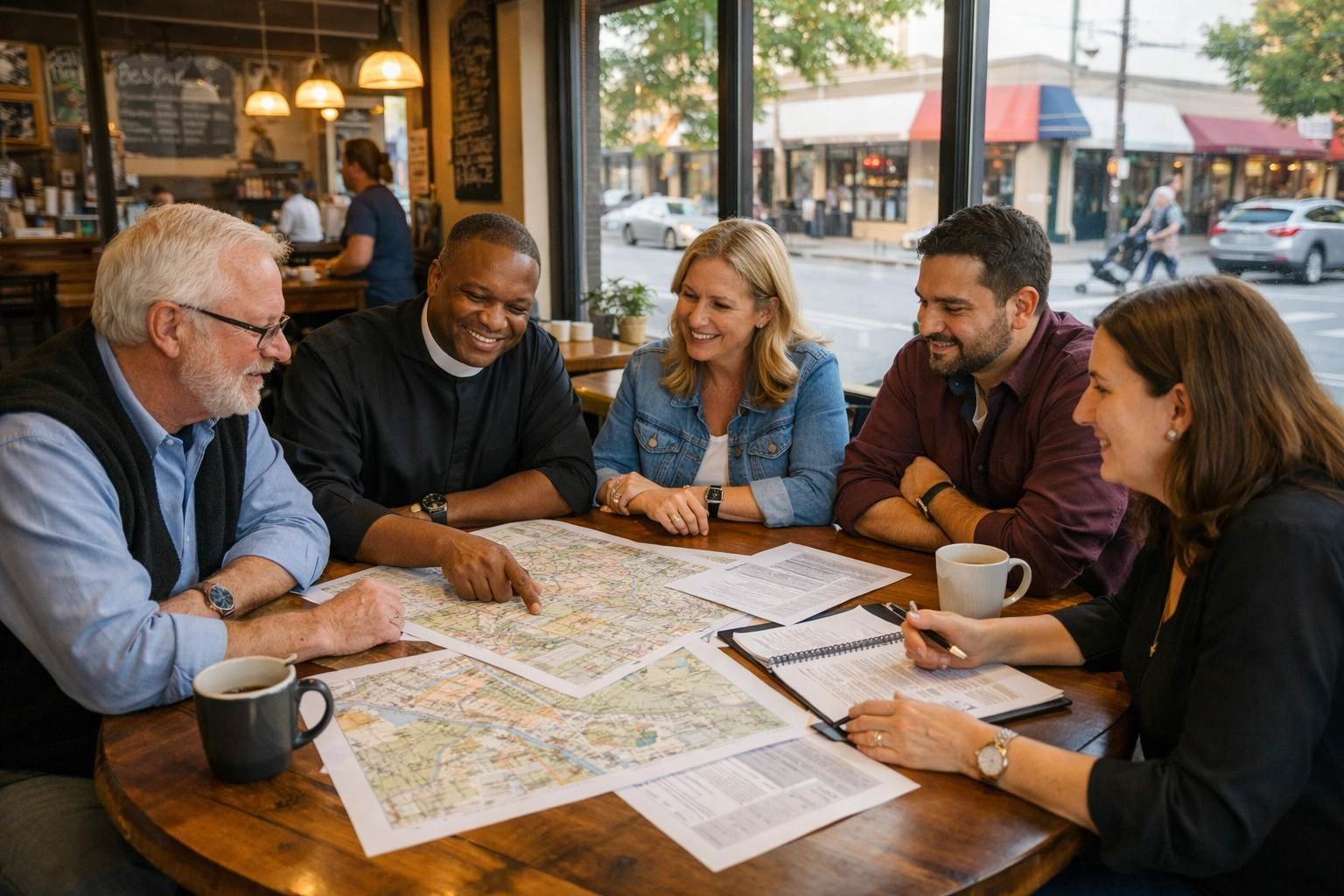
You can’t build a loop if you don’t know where the points are. Asset mapping is the process of cataloging the skills, businesses, and resources already present in your congregation and neighborhood.
Start small. Ask your congregation: Who owns a business? Who has a trade? Who is a graphic designer, a plumber, or an accountant? You’ll likely find that you have a goldmine of talent sitting in your pews every Sunday. Once you have this list, you can begin to intentionally support Black-owned businesses and local entrepreneurs within your Square Mile.
Don't just look at people; look at your "stuff." Do you have a commercial kitchen that’s only used for funeral luncheons? That’s an asset for a local catering startup. Do you have a parking lot that sits empty? That’s a potential farmers' market or a "pop-up" shop location for local makers.
Step 2: Intentional Local Purchasing
This is where the rubber meets the road. If the church needs printing done, does it go to an online giant or the local shop down the street? If you’re hosting a staff lunch, are you ordering from a chain or the mom-and-pop bistro around the corner?
Building a closed-loop economy requires a bit of "witty" planning. It might cost a few cents more or take an extra phone call, but the ROI (Return on Investment) for your community is massive. Every dollar spent locally is a seed planted in your own soil.
You can even take this a step further by creating a local purchasing cooperative. Imagine five local churches and three non-profits coming together to buy office supplies or cleaning services in bulk from a local vendor. Now you’ve got bargaining power, and you’re keeping a local business owner's lights on. That is faith-based economic programs in action.
Support Black-Owned Businesses: A Pillar of Community Wealth
In many of our neighborhoods, the wealth gap isn't a result of a lack of talent; it’s a lack of access. As a pastor, you have a platform. Use it to highlight local entrepreneurs.
Small Business Sundays: Once a month, give a local business owner two minutes to share what they do.
Business Directories: Create a digital or physical directory of neighborhood services and encourage your members to check it first before going to a big-box store.
Incubation Space: Offer your extra rooms as low-cost co-working spaces or meeting rooms for startups.
When you intentionally support Black-owned businesses, you aren't just being "nice." You are actively dismantling extractive economic systems and replacing them with restorative ones. That’s Shalom Economics.
Step 4: Use Digital Tools to Close the Gap
We live in 2026, and while the mission is ancient, the tools are modern. You don’t have to manage all of this with a dusty notebook and a prayer (though the prayer helps!). Building a Square Mile community model is much easier when you use smart technology.
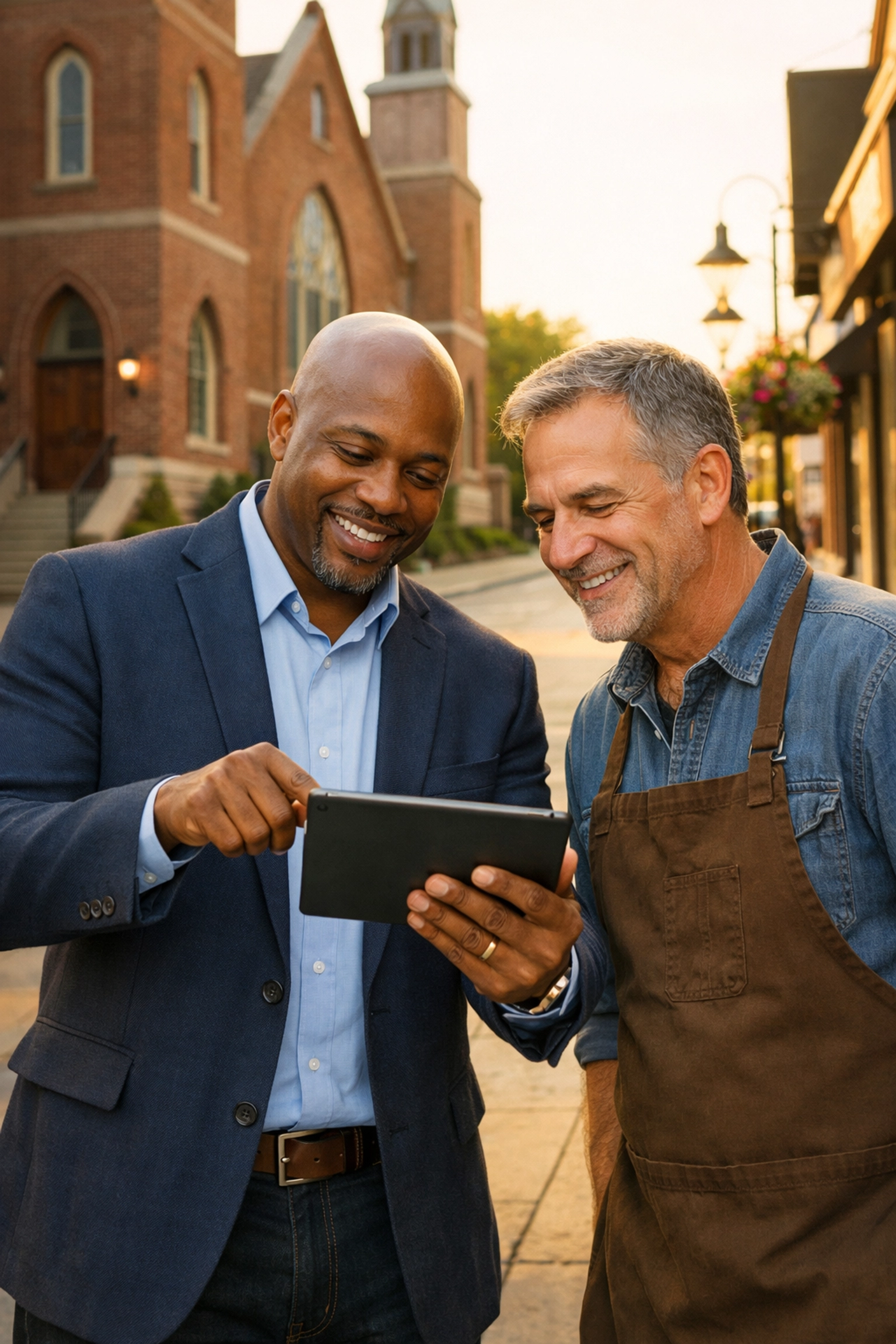
At The Globalliance Strategic Communities, we believe that simple digital tools can be the "glue" for your closed-loop economy. Whether it’s a CRM to keep track of your neighborhood asset map, an automated newsletter to highlight local businesses, or a simple app that lets your congregation know where to spend their money locally, technology makes the loop visible and manageable.
Automation isn’t about replacing the human touch; it’s about freeing you up from the paperwork so you can actually spend time with the people in your neighborhood.
Transitioning to 'Shalom Economics'
When a pastor leads the charge in building a closed-loop economy, something amazing happens. The neighborhood starts to feel like a neighborhood again. People begin to trust each other. Crime often drops because people are employed and have a stake in their community’s success. The church is no longer seen as a "holy fortress" on the corner, but as a vital partner in the flourishing of the city.
This is the heart of church-led community development. It’s not just about giving a man a fish or even teaching him to fish. It’s about making sure he owns the pond, the boat, and the market where the fish are sold.
Start Small, Dream Big
You don't need a million-dollar grant to start. You just need a shift in perspective. Start by looking at your Square Mile. Who is there? What do they need? How can your church bridge the gap?
If you’re feeling overwhelmed, just remember: Nehemiah didn't rebuild the whole wall at once. He had everyone fix the part of the wall right in front of their own house. Your "part of the wall" is your neighborhood. Build your loop there, and watch how God uses those small, intentional circles to create a massive wave of change.
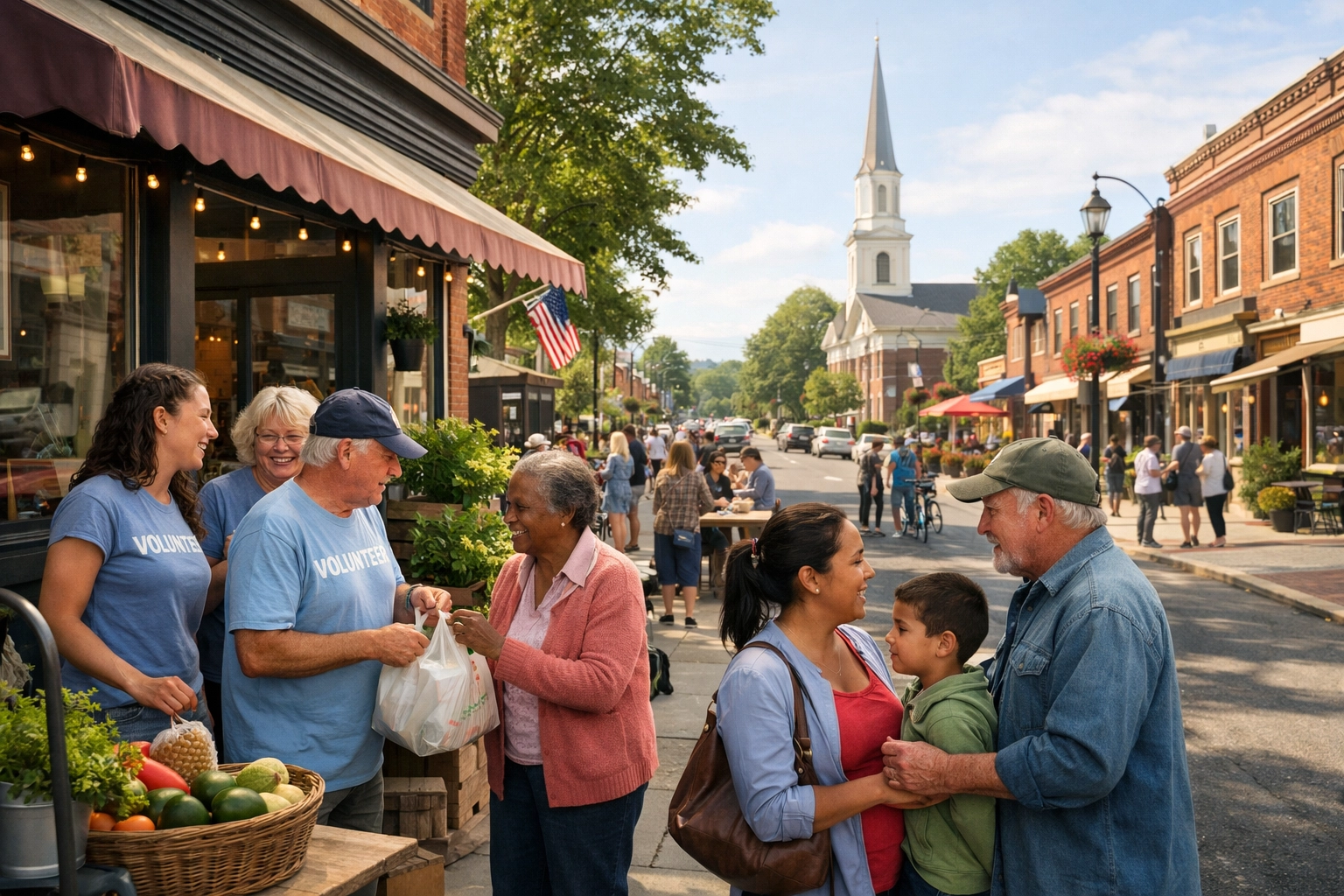
Ready to start mapping your Square Mile?
At Globalliance Strategic Communities, we’re all about providing the simple tools you need to build a thriving, connected community. If you’re looking for ways to organize your neighborhood assets or automate your community outreach, we’re here to help you turn your "Club" into a "Hub."
Let’s build something that lasts, one block at a time. Check out our resources and see how we can support your vision for a restored neighborhood.
