The Square Mile Model: 5 Steps How to Transform Your Neighborhood and Track Real Impact (Easy Guide for Pastors)
The Square Mile Model: 5 Steps How to Transform Your Neighborhood and Track Real Impact (Easy Guide for Pastors)
![[HERO] The Square Mile Model: 5 Steps How to Transform Your Neighborhood and Track Real Impact (Easy Guide for Pastors)](https://cdn.marblism.com/D_49mPX56qM.webp "[HERO] The Square Mile Model: 5 Steps How to Transform Your Neighborhood and Track Real Impact (Easy Guide for Pastors)")
As a pastor, your heart is likely for the world, but your assignment is very often your neighborhood. We all want to see "Thy Kingdom come on earth," but sometimes the scale of that mission feels overwhelming. How do you move from a general desire to help people to a specific, measurable transformation of the blocks surrounding your church?
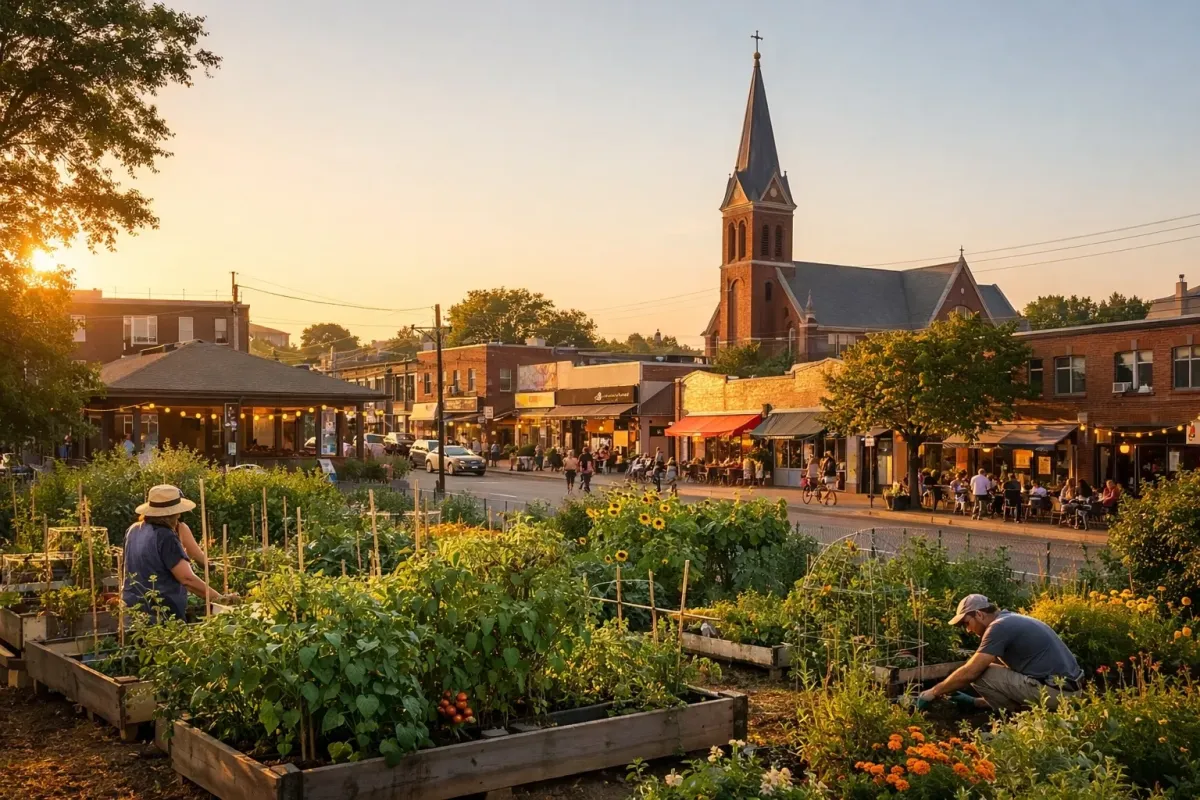
This is where the square mile community model comes into play. Instead of trying to be everything to everyone in the whole city, this model asks you to focus your energy on the 640 acres immediately surrounding your steeple. By narrowing your focus, you actually deepen your impact.
When we talk about neighborhood revitalization, we aren't just talking about fixing up old buildings. We are talking about the people, the businesses, and the spirit of the community. Here is a practical, 5-step guide to transforming your neighborhood and tracking the real impact of your ministry.
1. Define Your Territory (The 640-Acre Vision)
The first step in the square mile community model is to literally draw a line on a map. Take a physical map or use a digital tool to outline the one-square-mile area around your church. This is your "parish."
Why one square mile? Because it is walkable. It is a distance where people know each other’s names. In many urban and suburban settings, this area contains enough residents and businesses to create a self-sustaining ecosystem, but it is small enough that a single motivated congregation can actually influence the statistics of that area.
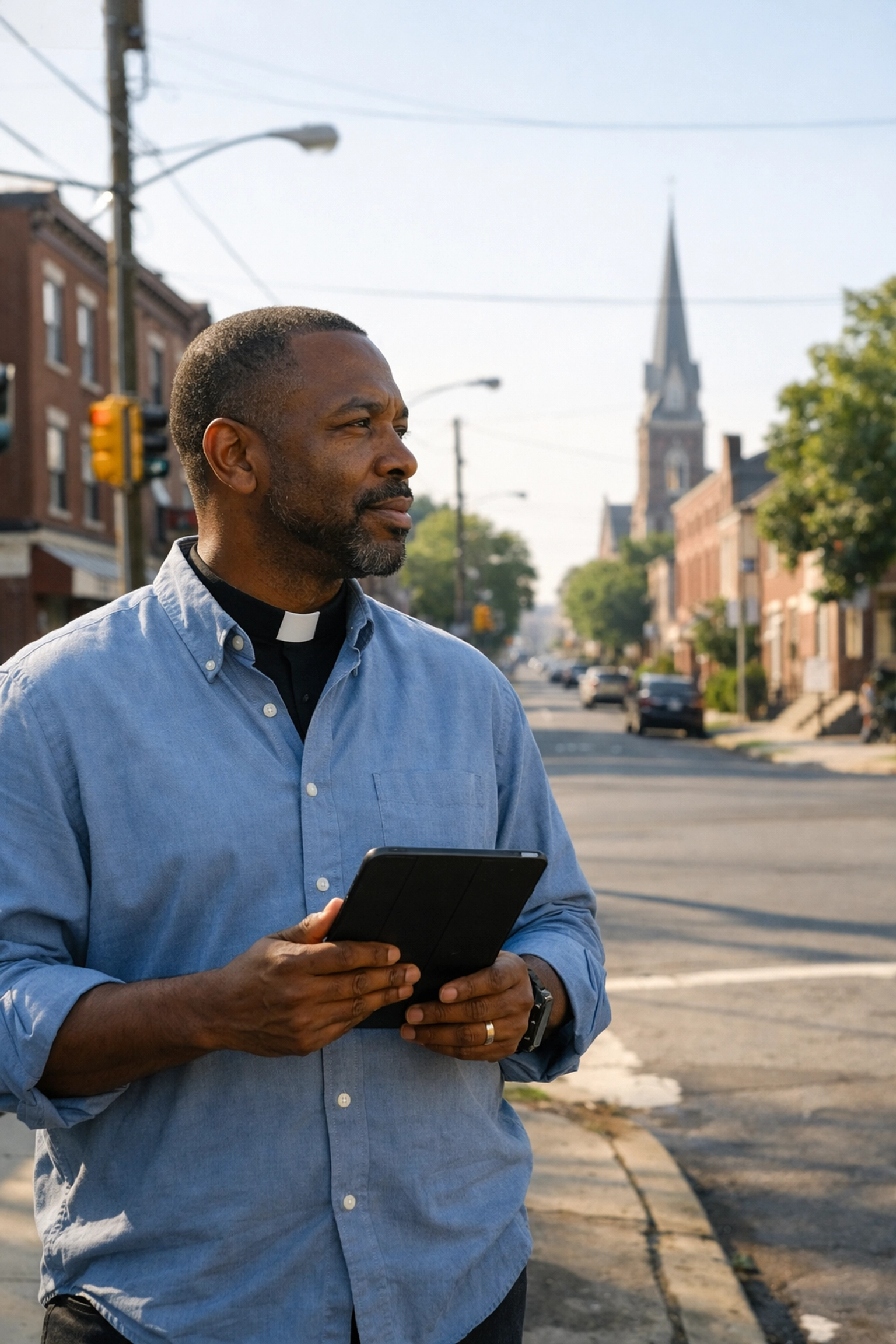
When you define your territory, you stop seeing "the city" as a vague entity and start seeing "12th Street" or "the Smith family." You begin to own the problems and the potential of these specific streets. This focus prevents burnout because your wins become visible and tangible.
2. Asset Mapping: Listen Before You Lead
Too often, faith-based outreach initiatives start by asking, "What is wrong with this neighborhood?" While identifying needs is important, the Square Mile Model asks a different question: "What is already right with this neighborhood?"
This is called Asset-Based Community Development. Before you launch a new program, spend time mapping the assets within your square mile. This includes:
Local Businesses: Who is providing jobs and services?
Key Influencers: Who are the "gatekeepers" or the "men of peace" in the neighborhood?
Public Spaces: Where do people naturally gather (parks, libraries, barber shops)?
Resident Skills: What talents do your neighbors have that are currently underutilized?
Research often points to the "Busy Streets Theory." This theory suggests that when residents are actively engaged in the physical and social revitalization of their blocks, crime goes down and social capital goes up. By listening to your neighbors first, you ensure that your church-led community development is something you do with them, not to them.
3. Mobilize the Pews into the Streets
Once you know the landscape, it’s time to move your congregation from seats to the streets. The goal isn't just to do "outreach" once a month. The goal is to build relationships.
In the Square Mile Model, every member of your church can be a neighborhood ambassador. This might look like:
Adopting a specific block for prayer walks and litter cleanup.
Partnering with the local elementary school for tutoring.
Conducting door-to-door check-ins just to see how neighbors are doing.
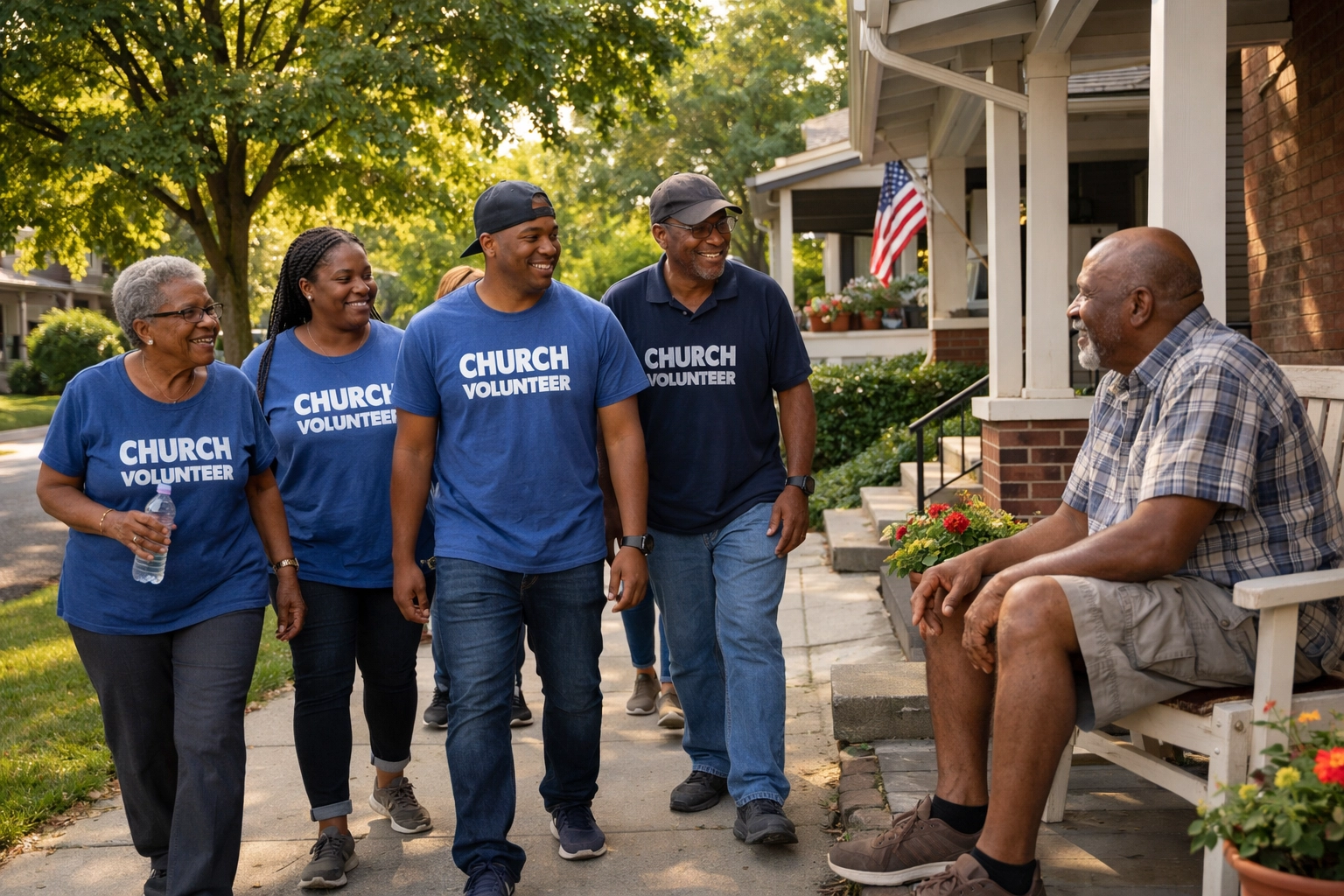
The key here is consistency. A one-time event creates a moment, but a weekly presence creates a movement. When the neighborhood sees the church consistently showing up, trust is built. That trust is the currency you need for long-term neighborhood revitalization.
4. Economic Evangelism: Supporting Local Business
A neighborhood cannot truly thrive if its economy is broken. One of the most powerful things a church can do is practice "Economic Evangelism." This means intentionally using the church’s influence and resources to support local, especially Black-owned, businesses within your square mile.
Think about the "Sustainable Square Mile" concept. The idea is to keep dollars circulating within the community. If your church needs catering, do you call a national chain or the deli two blocks away? If you need printing, is there a local shop you can support?

By intentionally connecting your congregation to local business owners, you help create jobs and stability. You can even host "Business Showcases" at the church to introduce your members to the entrepreneurs in their own backyard. When local businesses grow, the entire neighborhood feels the lift. You can learn more about how we view this bridge between ministry and marketplace at Our Square Mile.
5. Track Your Impact with Digital Tools
The biggest challenge for most pastors isn't the vision: it’s the data. How do you know if you are actually making a difference? How do you move beyond "it feels like things are getting better" to "we have helped 50 families find stable housing this year"?
This is where community impact measurement becomes vital. You need a way to track your interactions, your partnerships, and your progress. Using digital tools like a CRM (Customer Relationship Management) system specifically designed for community work allows you to:
Log Relationships: Keep track of the business owners and residents you’ve met.
Monitor Projects: Track the progress of specific neighborhood revitalization goals.
Automate Follow-ups: Ensure that no neighbor who asks for help falls through the cracks.
Visualize Success: Generate reports that show your congregation (and potential donors) the actual fruit of their labor.
At Our Square Mile, we believe that the best technology should serve the highest purpose. Using automation and data doesn't make your ministry less "spiritual": it makes you a better steward of the mission. When you can see the data, you can see where the gaps are and where God is moving most clearly.
Why the Square Mile Matters Now
We live in a time where people are looking for authenticity and local connection. The world can feel chaotic and out of control, but your square mile is a place where you can exert real, positive influence.
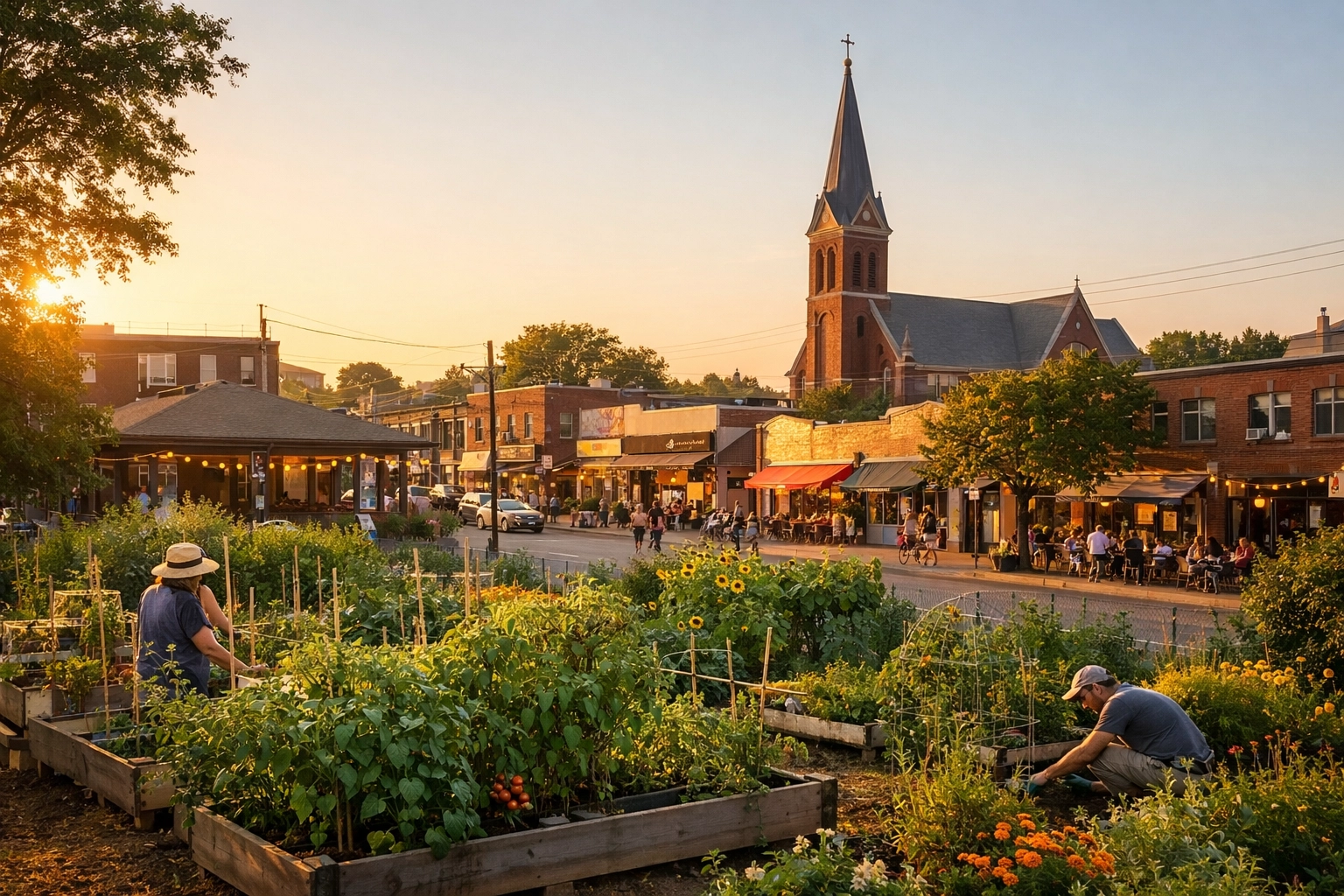
By focusing on a specific area, your church becomes more than just a building where people meet on Sundays. It becomes a hub of hope, an engine for economic growth, and a cornerstone of the community.
Transformation doesn't happen overnight, and it rarely happens by accident. It happens through intentionality, focus, and the right tools. If you’re ready to start mapping your square mile, we’re here to help you track that journey.
Neighborhood transformation is possible. It starts with one square mile, one relationship, and one data point at a time. To learn more about our mission and how we support leaders like you, check out our About Us page.
Summary Checklist for Your Square Mile
Map it: Define your 640 acres.
Listen: Conduct asset mapping with neighbors and business owners.
Mobilize: Get your congregation involved in consistent, relationship-based presence.
Invest: Practice economic evangelism by supporting local businesses.
Measure: Use digital tools to track your impact and stay accountable to the vision.
Your neighborhood is waiting for a leader to see its potential. Why not let it be you?
