The Future of Community Development
The Future of Community Development
![[HERO] The Future of Community Development](https://cdn.marblism.com/RuGuXLE-ai2.webp "[HERO] The Future of Community Development")
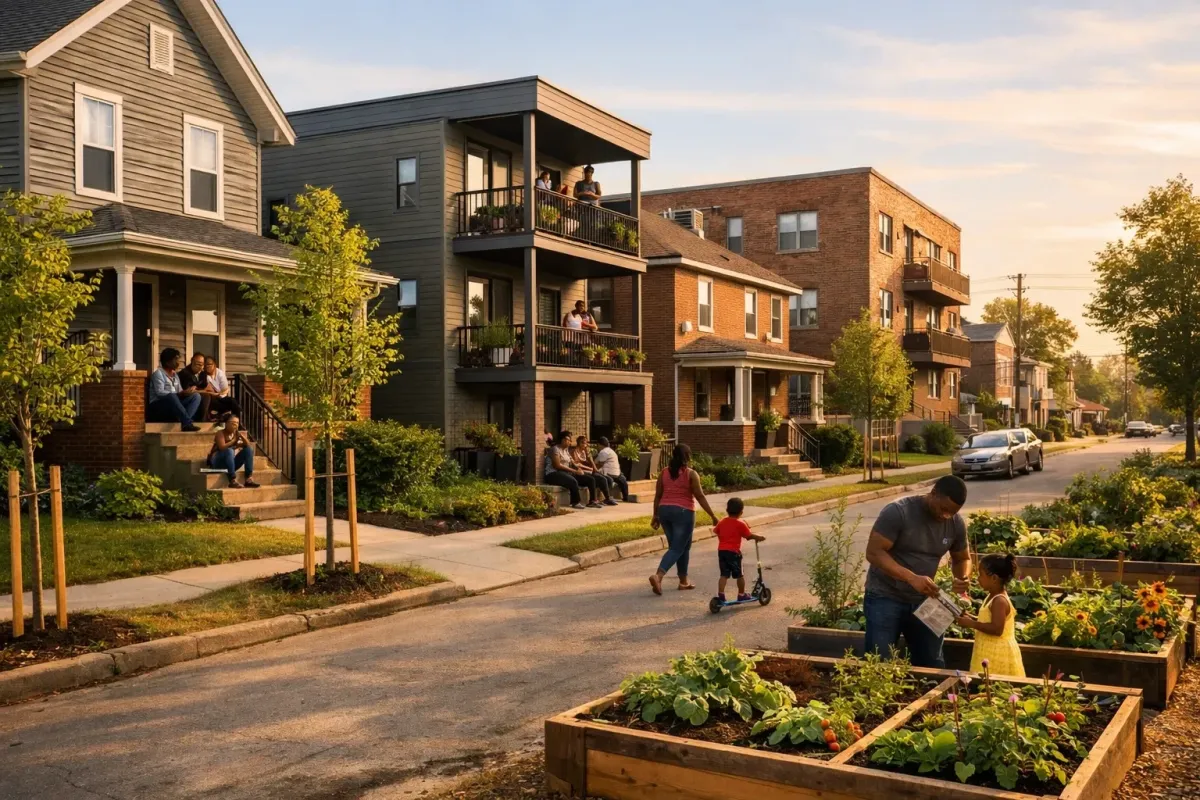
Something fundamental is shifting in how communities build themselves up. After decades of well-meaning charity programs and temporary solutions, we're watching a new model emerge: one that treats community development not as crisis response, but as sustainable economic infrastructure. And it's happening faster than most people realize.
The question isn't whether community development will change in the next decade. It's whether faith leaders, local organizations, and community stakeholders will adapt quickly enough to lead that change: or get left behind by it.
From Charity to Economic Empowerment
Traditional community development followed a familiar pattern: identify a need, deliver a service, repeat. Food pantries. Clothing drives. One-time financial assistance. These programs served important purposes, but they rarely built anything that lasted beyond the immediate crisis.
The future looks different. Communities are moving toward models that create closed-loop economies where resources circulate locally, businesses grow from within, and residents become owners instead of recipients. This isn't about abandoning compassion: it's about channeling it into systems that compound over time.
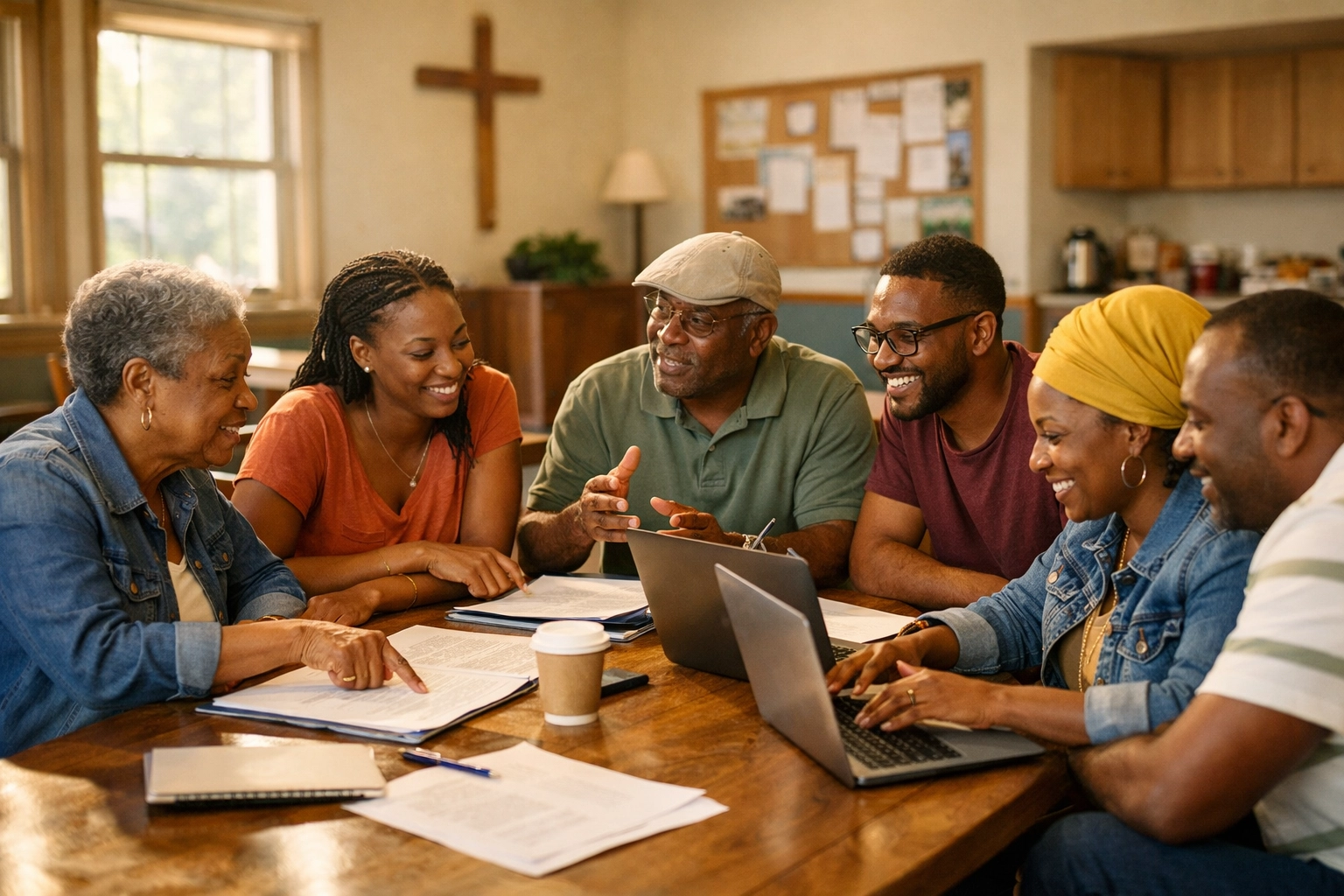
Think of it this way: traditional outreach is like giving someone fish. The new model builds the pond, stocks it, teaches fishing techniques, and eventually creates a fish market that employs neighbors. Everything connects. Everything builds on itself.
This shift is already visible in successful community development initiatives across the country. Neighborhoods that focus on local business support, skills training, and financial literacy see measurable improvements in household wealth, business ownership rates, and community stability. The data is clear: empowerment models create generational impact that charity models simply cannot match.
Technology as Community Infrastructure
Here's where it gets interesting. The communities succeeding at this transformation aren't doing it with clipboards and spreadsheets. They're using digital platforms as the backbone of their entire economic ecosystem.
Digital tools are changing what's possible at the neighborhood level. Geographic information systems (GIS) now allow communities to map every asset, gap, and opportunity within their square mile. Churches can see which blocks lack grocery stores. Nonprofits can identify pockets of unemployment. Business owners can find underserved markets.
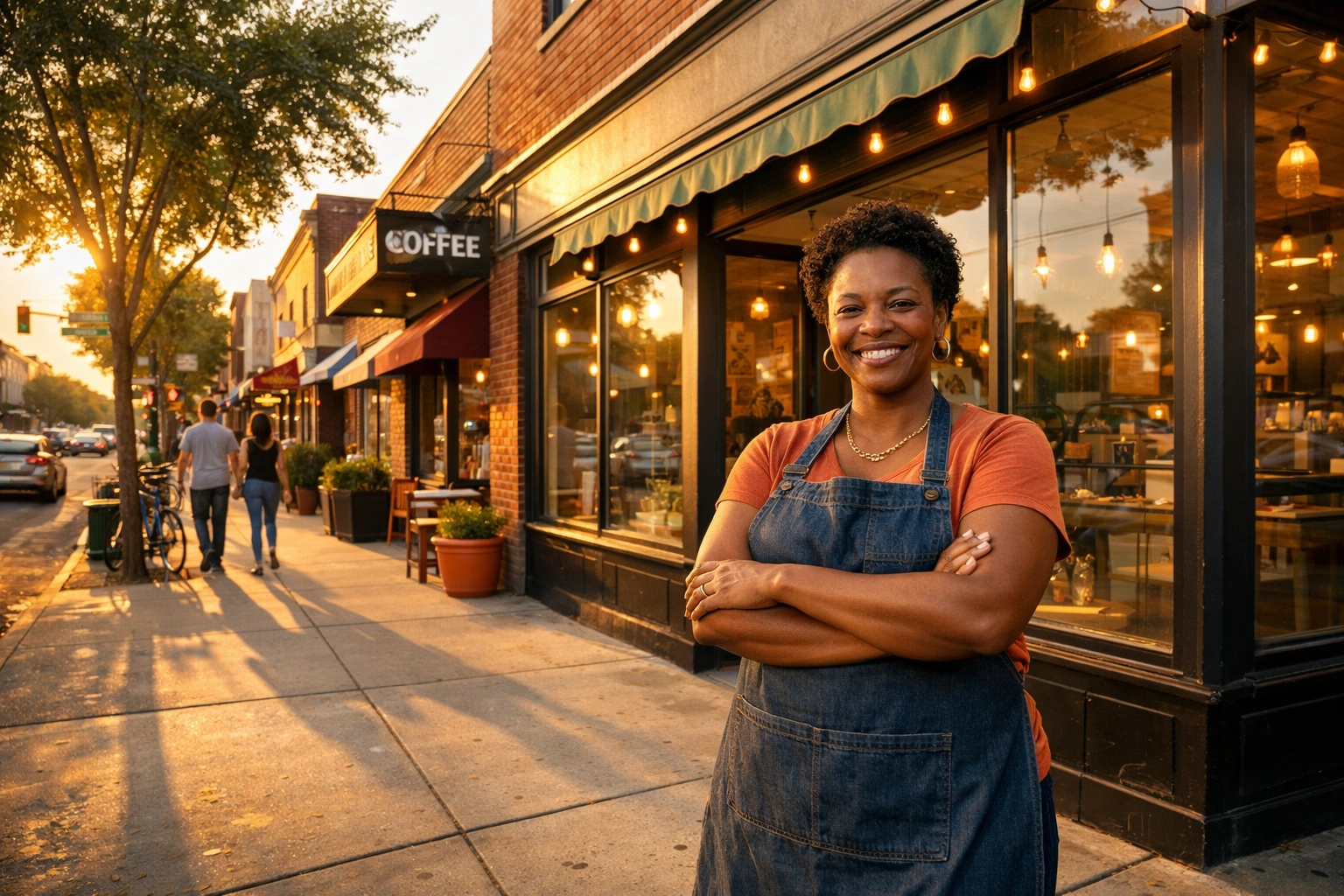
But mapping is just the beginning. The real power comes from platforms that connect all the players in a community economy: residents who need services, businesses that provide them, churches that can mobilize volunteers, and organizations that can deploy resources. When these connections happen through digital infrastructure, response time drops from weeks to hours.
Consider how climate resilience planning now works. Communities use digital twins: virtual models of neighborhoods: to test how proposed changes will affect everything from traffic patterns to flood risk. Before breaking ground on a single project, leaders can see the ripple effects across housing, business, and community safety. Every dollar invested in planning tools like these saves approximately six dollars in disaster response down the road.
The Global Square Community (GSC) model embraces this technological foundation. By building digital platforms specifically for faith-led community development, GSC enables churches and local organizations to operate with the same data-driven precision that Fortune 500 companies use: but focused entirely on neighborhood-level transformation.
The Square Mile Revolution
The most effective community development happens at a scale most people overlook: the square mile. Not city-wide. Not region-wide. The blocks where people actually live, work, shop, and worship.
This hyperlocal approach makes perfect sense when you think about it. A church can't fix an entire city's problems, but it can absolutely transform the neighborhood surrounding it. A small business owner can't change national economic trends, but she can create jobs for ten families on her block. A community organization can't solve systemic poverty alone, but it can build a network of mutual support within walking distance.
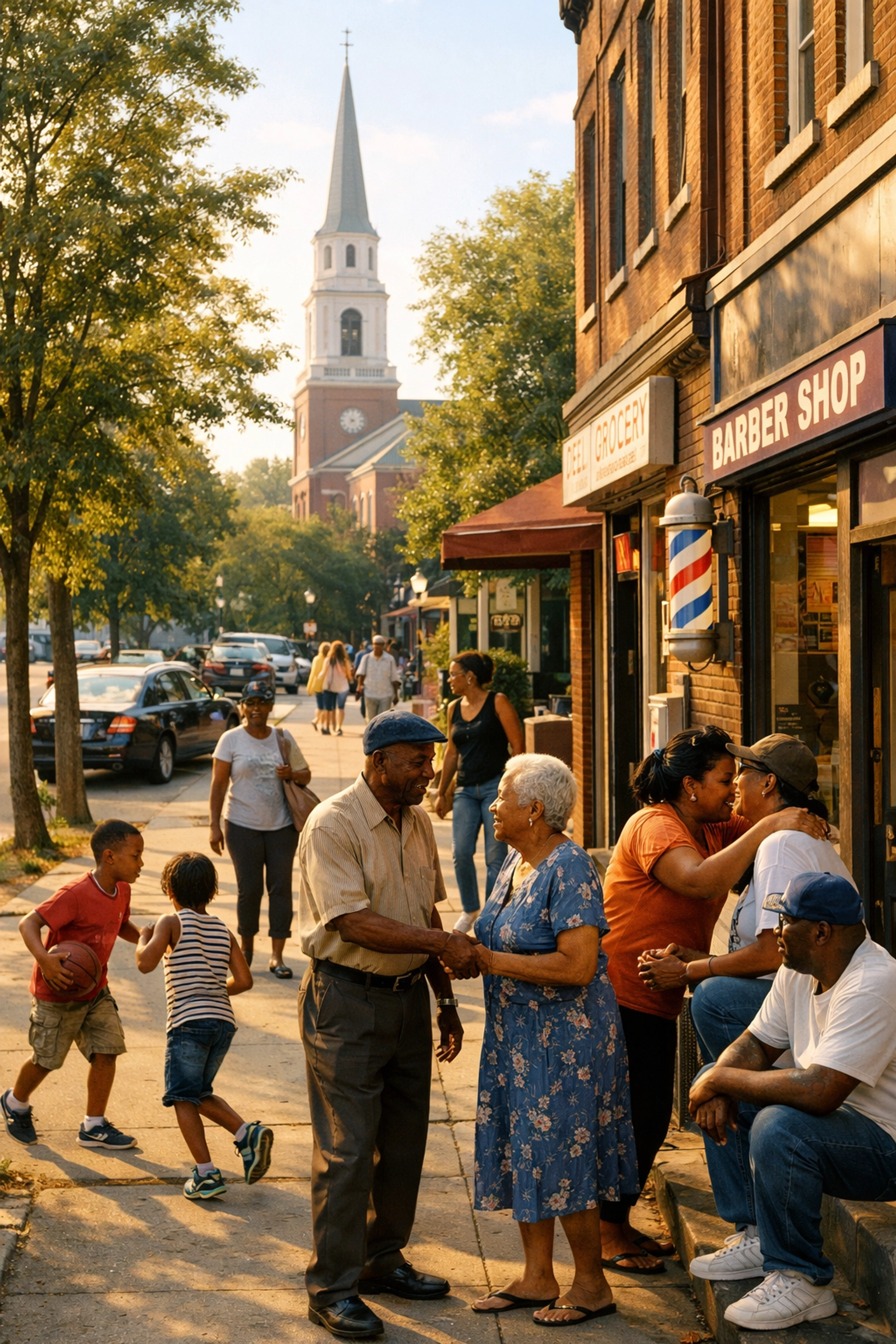
The Square Mile model works because it's specific and measurable. Leaders can identify every business, count every household, track job creation, and watch household income trends over time. Success isn't abstract: it's Mr. Johnson opening a barbershop, Ms. Williams launching a catering business, and three families buying their first homes.
This localized focus also solves one of the biggest problems in traditional community development: accountability. When your impact zone is small enough to walk in an afternoon, everyone sees whether programs actually work. Residents know if new businesses are thriving. Church members notice if their neighbors are finding employment. Trust builds through visible, consistent results.
The technological infrastructure that supports the Square Mile model allows this level of precision. Digital platforms track business growth, monitor resource circulation, and connect community members in real time. What used to require armies of social workers now happens through smart systems that amplify human connection rather than replacing it.
What the Next Decade Holds
Community development in 2035 will look nothing like it does today. The changes are already in motion.
Housing will transform as zoning reform accelerates nationwide. The United States currently faces a shortage of 2.8 million housing units, with roughly 75% of residential land in metro areas zoned exclusively for single-family homes. Communities are already responding by allowing duplexes, triplexes, and accessory dwelling units (ADUs) as routine permits rather than rare exceptions. Faith communities positioned to support this housing diversity: by providing land, partnerships, or advocacy: will see their neighborhoods stabilize and grow.
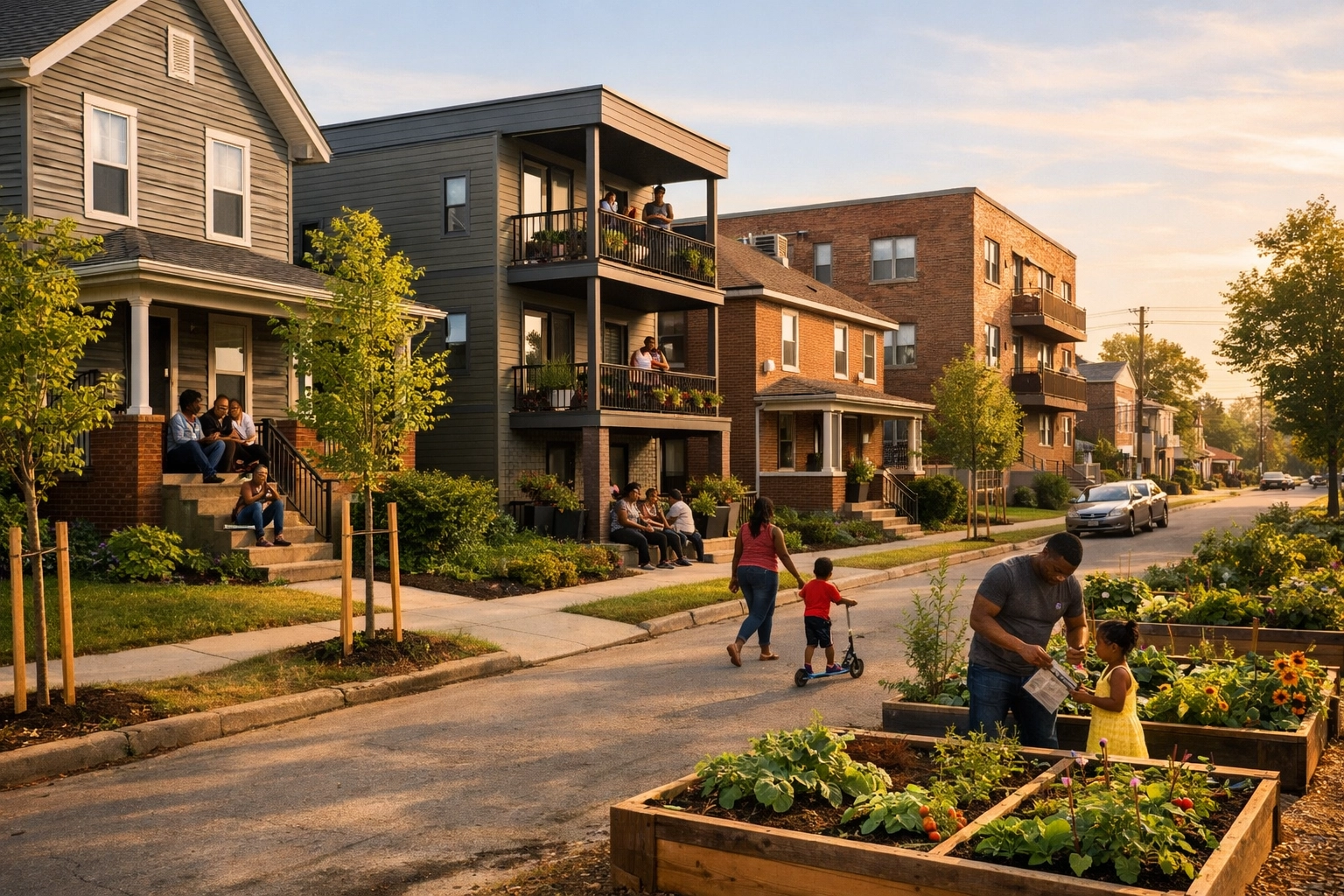
Parking minimums are disappearing, freeing up land for housing and businesses instead of asphalt. Office buildings are converting to apartments. Downtowns are coming back to life with residents replacing empty cubicles. Communities that embrace these shifts attract younger families, new businesses, and tax revenue that funds better services for everyone.
Climate resilience will move from optional to mandatory. Every community plan will include climate risk overlays showing flood zones, heat islands, and infrastructure vulnerabilities. Churches and nonprofits that integrate resilience into their community development work: whether through green infrastructure, emergency preparedness networks, or adaptive building practices: will lead in this new era.
But here's the most important shift: grassroots networks are adapting faster than traditional institutions. The old model of three-to-five-year strategic plans can't keep up with changes unfolding on weeks-long timelines. The future belongs to communities that can respond with agility, deploy resources quickly, and iterate based on real-time feedback.
This is where digital platforms become non-negotiable. Communities without technological infrastructure will struggle to coordinate responses, track outcomes, or compete for increasingly data-driven grant funding. Those with robust digital ecosystems: like the GSC model provides: will thrive.
Building What Lasts
The future of community development isn't about doing more programs. It's about building economic ecosystems that sustain themselves, digital infrastructure that connects every stakeholder, and localized models that create measurable impact within walking distance.
Churches and faith leaders have always been at the center of community transformation. The question is whether they'll embrace the tools, models, and partnerships that turn good intentions into generational wealth. The technology exists. The models work. The next decade will separate communities that talk about change from those that build it.
The JAWS Group exists to equip faith-led communities with the digital infrastructure this future demands. Because lasting impact doesn't happen by accident: it happens when vision meets the right tools at the right time.
Ready to explore how the GSC model can work in your community? Learn more about our approach to building sustainable, technology-driven community development.
