The Ultimate Guide to Community Wealth Building: Everything You Need to Succeed
The Ultimate Guide to Community Wealth Building: Everything You Need to Succeed
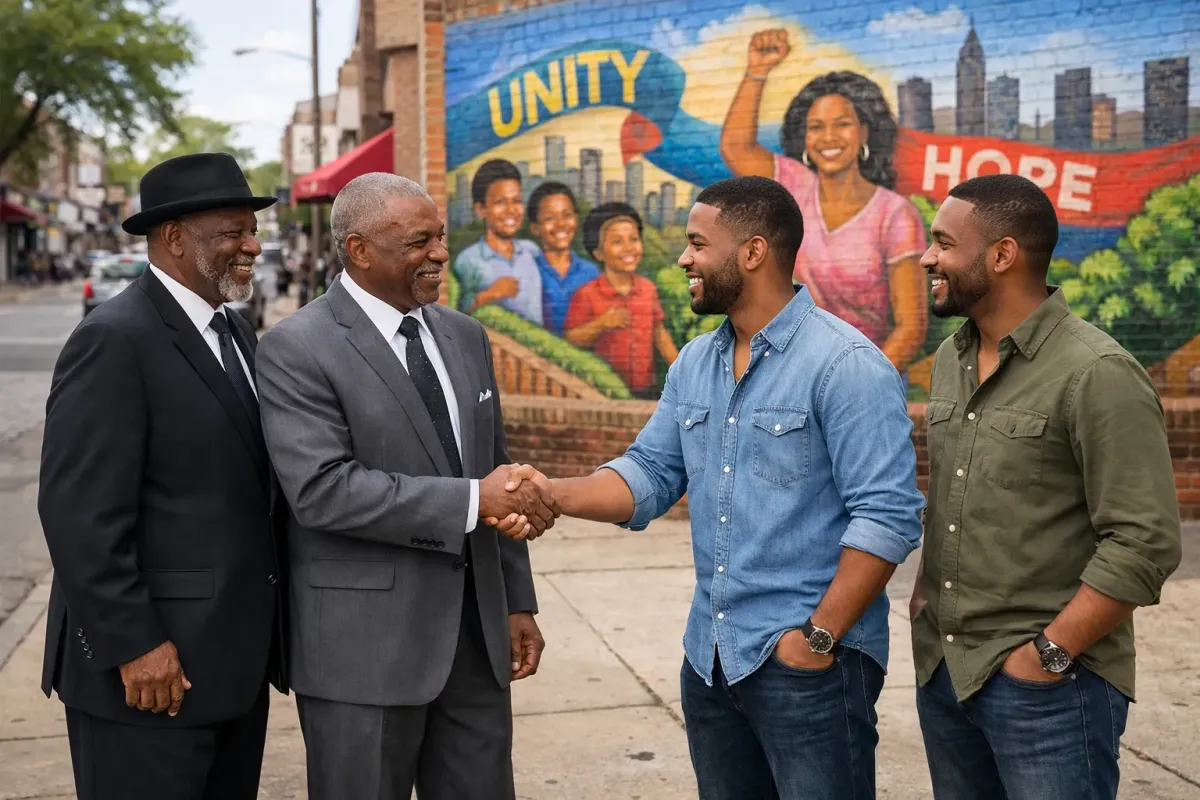
![[HERO] The Ultimate Guide to Community Wealth Building: Everything You Need to Succeed](https://cdn.marblism.com/E2AEeFXl25c.webp "[HERO] The Ultimate Guide to Community Wealth Building: Everything You Need to Succeed")
When we talk about a thriving neighborhood, what do we actually see? We see busy storefronts, children playing in safe parks, and families who don’t have to leave their zip code to find a good job. But for many of our neighborhoods, especially in the Black community, this vision feels out of reach.
Traditional economic growth often relies on outside investors who come in, build something, and take the profits back to a different city. This is where community wealth building changes the game. Instead of waiting for someone else to save us, we look at what we already have.
This guide will show you how to turn your community into an economic powerhouse. We’ll explore the "Square Mile Model" and how a closed-loop economy can create lasting change through the power of church outreach and local leadership.
What is Community Wealth Building?
At its heart, community wealth building is about ownership. It is a way of growing the economy where the wealth stays in the hands of the people who live there. Think of it as moving from a "trickle-down" approach to a "bottom-up" approach.
Instead of just helping people find jobs at big national chains, we focus on helping neighbors own the businesses. We look for ways to turn renters into homeowners and shoppers into investors. It’s about building a foundation that doesn’t wash away when the economy gets shaky.
In many ways, this is a faith-informed mission. It’s about stewardship of our resources and loving our neighbors by ensuring they have the tools to provide for their families. Black community economic development thrives when we stop looking at our neighborhoods as places of "need" and start seeing them as places of "asset."

The Square Mile Model: Focusing Your Impact
It’s easy to feel overwhelmed by the problems of a whole city. That’s why we use the "Square Mile Model." This strategy focuses all your energy on a specific, manageable area: usually the square mile surrounding your church or organization.
Why focus so small? Because proximity creates accountability. When you focus on one square mile, you can get to know every business owner, every school principal, and every family on the block. You start to see how everything is connected.
By narrowing your focus, your church outreach becomes much more than a food pantry or a clothing drive. It becomes a strategic hub for development. You aren’t just helping people survive the week; you are helping the whole square mile thrive for a decade.
Understanding the Closed-Loop Economy
Have you ever noticed how a dollar bill moves? In many wealthy neighborhoods, a dollar might change hands five or six times within the community before it leaves. In many underserved neighborhoods, that same dollar leaves the community within hours.
A closed-loop economy is designed to fix this "leaky bucket" problem. The goal is to keep money circulating within the community as long as possible. When the church buys supplies from the local printer, and that printer buys lunch from the local cafe, and the cafe owner pays a local student to help with social media, the wealth grows.
This cycle is the engine of community wealth building. Every time you choose a local vendor over a massive online retailer, you are casting a vote for your neighborhood’s future.
How to Start Closing the Loop:
Audit Your Spending: Look at where your organization spends money and see if a local business can provide those same goods or services.
Promote Local: Use your platform to highlight Black-owned businesses within your square mile.
Encourage Collaboration: Host "mixer" events where local entrepreneurs can meet and find ways to work together.
The Role of the Church in Economic Growth
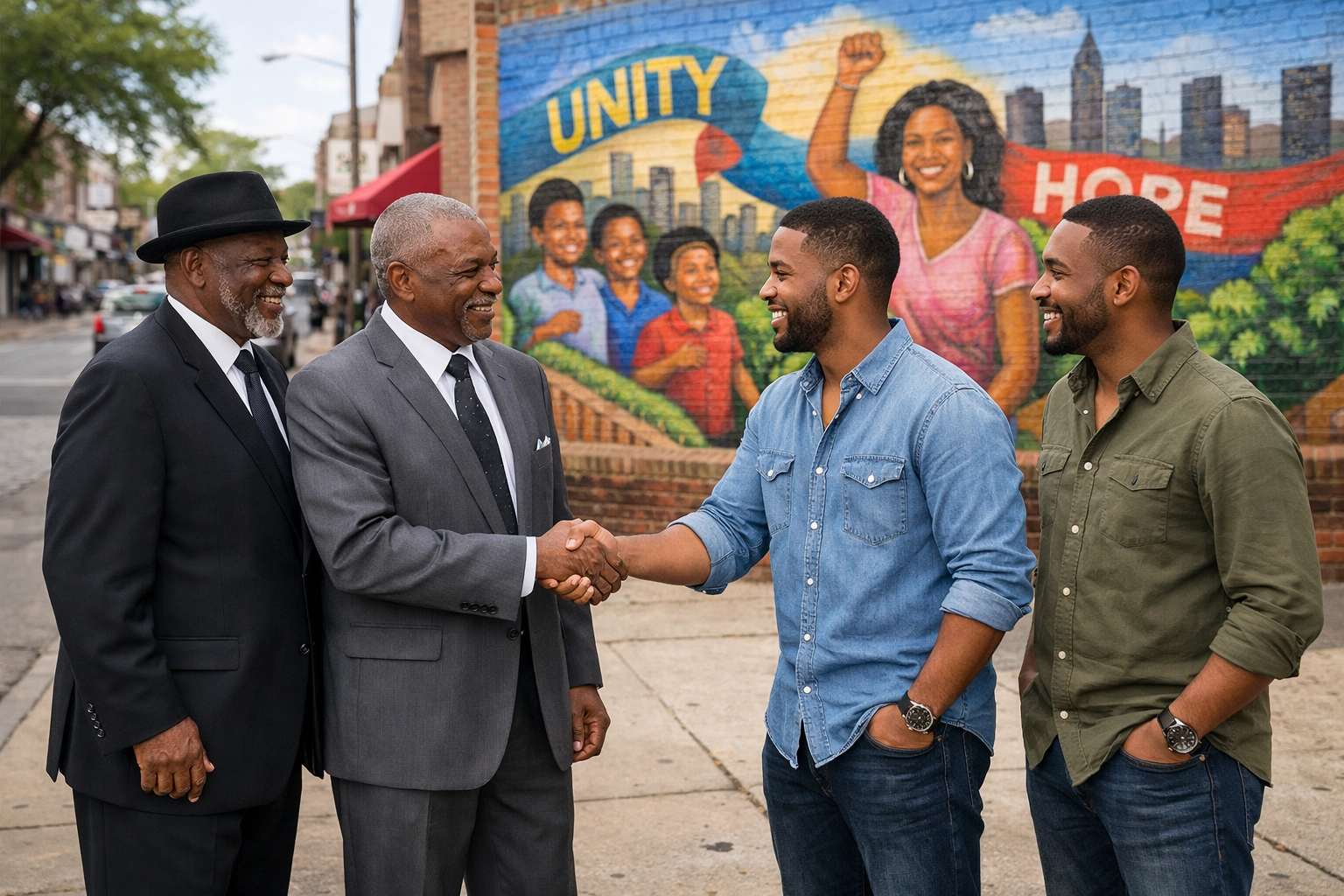
For generations, the church has been the heartbeat of the Black community. It is a place of worship, but it’s also a place of organization and trust. This makes the church the perfect "anchor institution" for Black community economic development.
Church outreach shouldn’t be limited to spiritual growth. It can include financial literacy classes, business incubators, and job training. When a church uses its building and its influence to support the local economy, it becomes a literal lighthouse for the neighborhood.
By integrating faith and economics, we create a system that values people over profits. We ensure that as the neighborhood improves, the people who have been there through the hard times aren't pushed out by rising costs.
Five Pillars of Lasting Success
To truly succeed in building wealth, we have to look at five key areas. These pillars ensure that the growth is fair and that it lasts for the next generation.
1. Locally Rooted Finance
We need to support credit unions and local banks that are willing to invest in our neighbors. When we put our money in institutions that understand our community, it’s easier for local entrepreneurs to get the loans they need.
2. Just Use of Land
Land is one of our most valuable assets. Community land trusts can help ensure that housing stays affordable. By owning the land collectively, we can prevent gentrification from stripping the community of its character.
3. Fair Work and Ownership
We should encourage worker-owned cooperatives. When employees have a stake in the business, they are more productive, and the profits stay in their pockets rather than going to a corporate headquarters across the country.
4. Progressive Procurement
This sounds like a big word, but it just means "buying with a purpose." Large organizations: like hospitals, schools, and big churches: should commit to buying from local, minority-owned businesses whenever possible.
5. Inclusive Enterprise
We must ensure that everyone has a seat at the table. Our community wealth building efforts must intentionally include those who have been left behind by traditional systems.

Practical Steps for Your Community
Ready to take action? You don't need a million dollars to start. You just need a plan and a few committed neighbors.
First, identify your "anchors." These are the organizations that aren't going anywhere: churches, schools, and long-standing businesses. Get them in a room together. Ask a simple question: "How can we spend our money more intentionally within this square mile?"
Second, map your assets. Who in the community has a skill? Who has a commercial kitchen? Who has a van? When you see your community as a collection of assets rather than a collection of problems, the path forward becomes much clearer.
Finally, stay consistent. Community wealth building isn't a quick fix. It’s a marathon. It requires showing up week after week and choosing the local option even when it’s a little bit harder.
Building the Future Together
We believe that every community has the potential to be self-sustaining and prosperous. By using the square mile model and focusing on a closed-loop economy, we can create a future where our children don't have to leave home to find opportunity.
This is more than just economics; it’s about dignity. It’s about showing the world the incredible value that exists within our neighborhoods. When we work together, we don’t just build wealth: we build a legacy.

How Globalliance Strategic Communities Can Help
At Globalliance Strategic Communities, we build the digital tools that make this kind of community organization possible. Whether you need a CRM to manage your church outreach or a custom app to help your neighbors find local businesses, we are here to support your mission.
Building a closed-loop economy requires staying connected and organized. Our platform is designed to be simple, effective, and community-focused. Let’s work together to build something that lasts. Reach out to us today to see how our tools can help you transform your square mile.
