
The Vision Behind GSC: Faith, Business, and Community
The Vision Behind GSC: Faith, Business, and Community
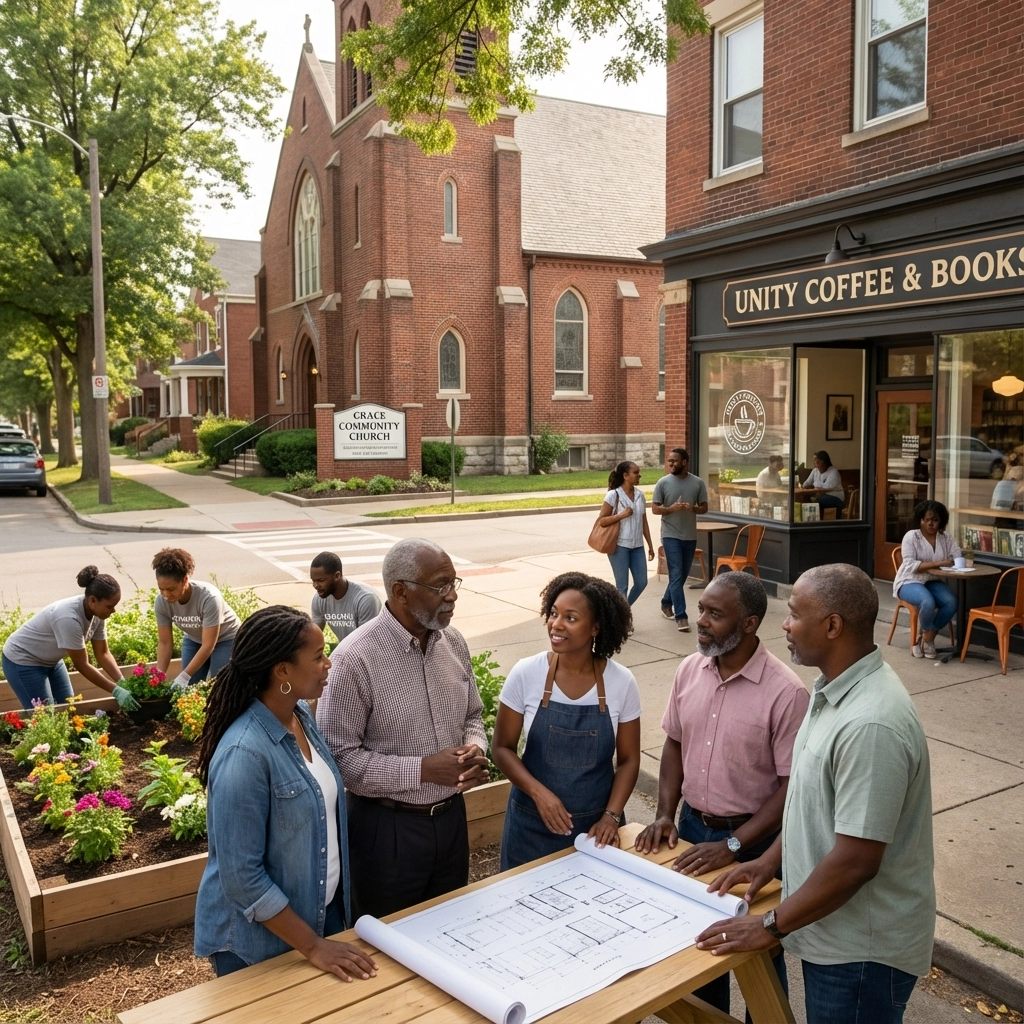
When we talk about community transformation, we're talking about something much bigger than programs or initiatives. We're talking about a fundamental shift in how communities operate, grow, and sustain themselves. That's exactly what Globalliance Strategic Communities (GSC) represents, a bold vision that brings together faith, business, and community development in ways that create lasting change.
At its heart, GSC operates on a simple but powerful principle: the largest transfer of Black wealth in history should happen from the community, to the community. This isn't just about charity or temporary assistance. It's about building sustainable economic ecosystems that keep resources circulating within the community instead of flowing out.
The Square Mile Partnership Model
The foundation of GSC's approach lies in what they call the Square Mile Partnership Model. This isn't some complicated theory, it's a practical, geographic approach that makes sense on the ground level.
Picture this: a local Black church sits at the center of a defined square mile area. That church becomes both the spiritual and economic anchor for everything that happens in that zone. Within that square mile, the church partners with local Black-owned businesses, residents, volunteers, and faith-based outreach teams.

What makes this model unique is how it creates what GSC calls a closed-loop ecosystem. Instead of money and resources leaving the community, they stay and circulate internally. When church members need services: whether it's catering for events, maintenance work, or professional services: they connect with Black-owned businesses in their square mile.
This approach transforms the traditional relationship between faith institutions and economic development. Churches aren't just places of worship; they become economic engines that drive sustainable wealth creation and community reinvestment.
Faith-Based Organizations as the Foundation
GSC makes something very clear from the start: Black faith-based organizations are the foundation of everything they plan to accomplish. This isn't just spiritual talk: it's based on a practical understanding of how communities actually work.
The condition of the Black community directly aligns with the health of the local Black church. When churches thrive, communities thrive. When churches struggle, the entire community feels the impact. GSC recognizes this connection and builds their entire strategy around it.
Faith-based organizations bring several unique strengths to community development:
Trust and Relationships: Churches already have deep, established relationships within their communities. People trust their church leadership in ways they might not trust outside organizations.
Physical Infrastructure: Many churches have meeting spaces, kitchens, and facilities that can support community programs and business development activities.
Volunteer Networks: Faith communities are built around service. Churches have ready-made volunteer networks that can support local business development and community initiatives.
Moral Authority: When churches speak about economic justice and community development, people listen. They carry moral weight that can mobilize community action.
The Business Connection
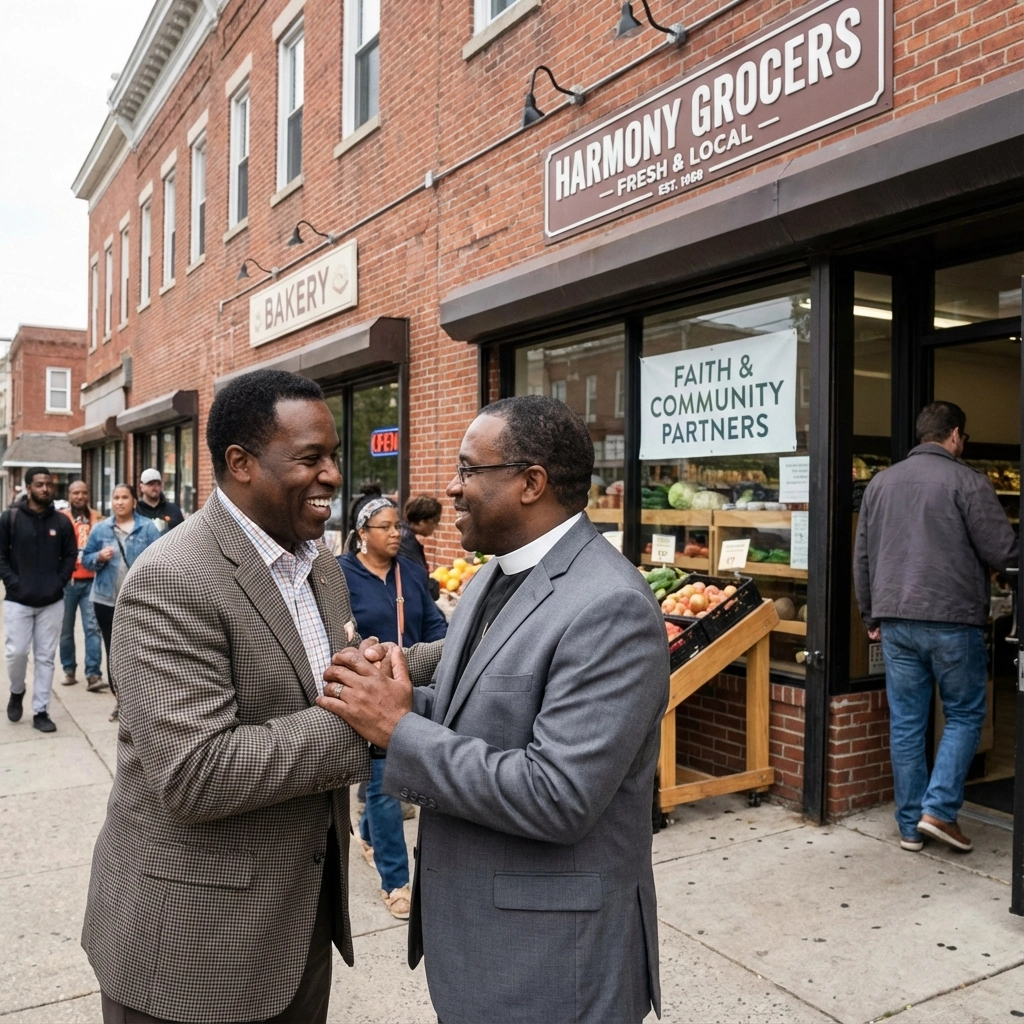
GSC doesn't just talk about supporting Black-owned businesses: they create systematic ways to make it happen. Through their membership program, churches receive monthly shopping allocations to purchase exclusively from the GSC Business Directory.
This directory isn't just a list. It's a curated network of Black businesses that actively support the Square Mile Program. When churches use their allocations, they're not just making purchases: they're investing in businesses that invest back into the community.
Members also gain access to practical business development tools:
Professional websites for business visibility
Digital marketing support and materials
Networking opportunities through regional events
Recognition programs that celebrate community participation
This creates multiple layers of support. Businesses get customers, marketing help, and networking opportunities. Churches get quality services from community-owned businesses. The entire square mile benefits from increased economic activity that stays local.
Digital Tools for Community Development
Here's where organizations like The JAWS Group come in. GSC's vision requires more than good intentions: it needs modern tools and systems to work effectively.
Digital platforms can connect churches with local businesses, track community economic activity, and help measure the impact of faith-based initiatives. When churches have user-friendly websites and digital marketing tools, they can better communicate their community development work and attract support.
Small businesses within the Square Mile Partnership need digital presence to thrive in today's economy. Professional websites, online directories, and digital marketing materials aren't luxuries: they're necessities for sustainable business growth.
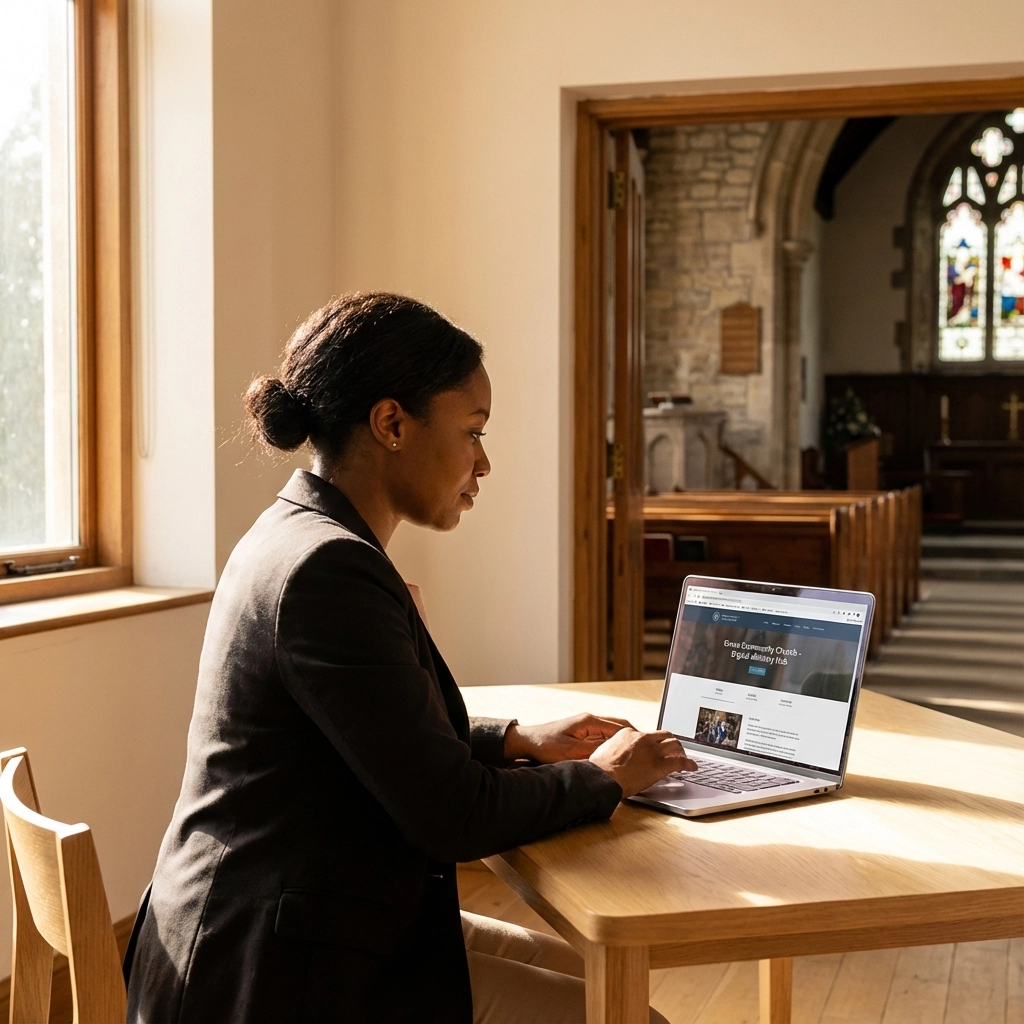
The integration of faith-based organizations with business development requires coordination tools that can manage complex community relationships while keeping everything simple enough for volunteers to use effectively.
Real Community Impact
What sets GSC apart is their focus on measurable, sustainable change. This isn't about feel-good programs that look nice in annual reports. It's about creating economic systems that fundamentally change how wealth flows through Black communities.
When a church becomes an economic anchor, several things happen:
Local Spending Increases: Church members actively choose local businesses for their needs, keeping more money in the community.
Business Networks Strengthen: Local businesses start referring customers to each other, creating a supportive business ecosystem.
Community Pride Grows: People see their neighborhood improving through their own efforts, not outside intervention.
Economic Resilience Builds: Communities become less dependent on outside economic forces and better able to weather challenges.
The Role of Faith-Based Initiatives
GSC's approach recognizes something that many community development efforts miss: faith motivates action in ways that purely economic arguments often can't. When people understand community development as part of their spiritual calling, they engage more deeply and sustain their efforts longer.
Faith-based initiatives bring unique advantages to community development:
They connect economic activity to higher purpose, making business development feel meaningful rather than just profitable. They leverage existing community structures instead of trying to build new ones from scratch. They tap into traditions of mutual aid and community care that already exist in faith communities.
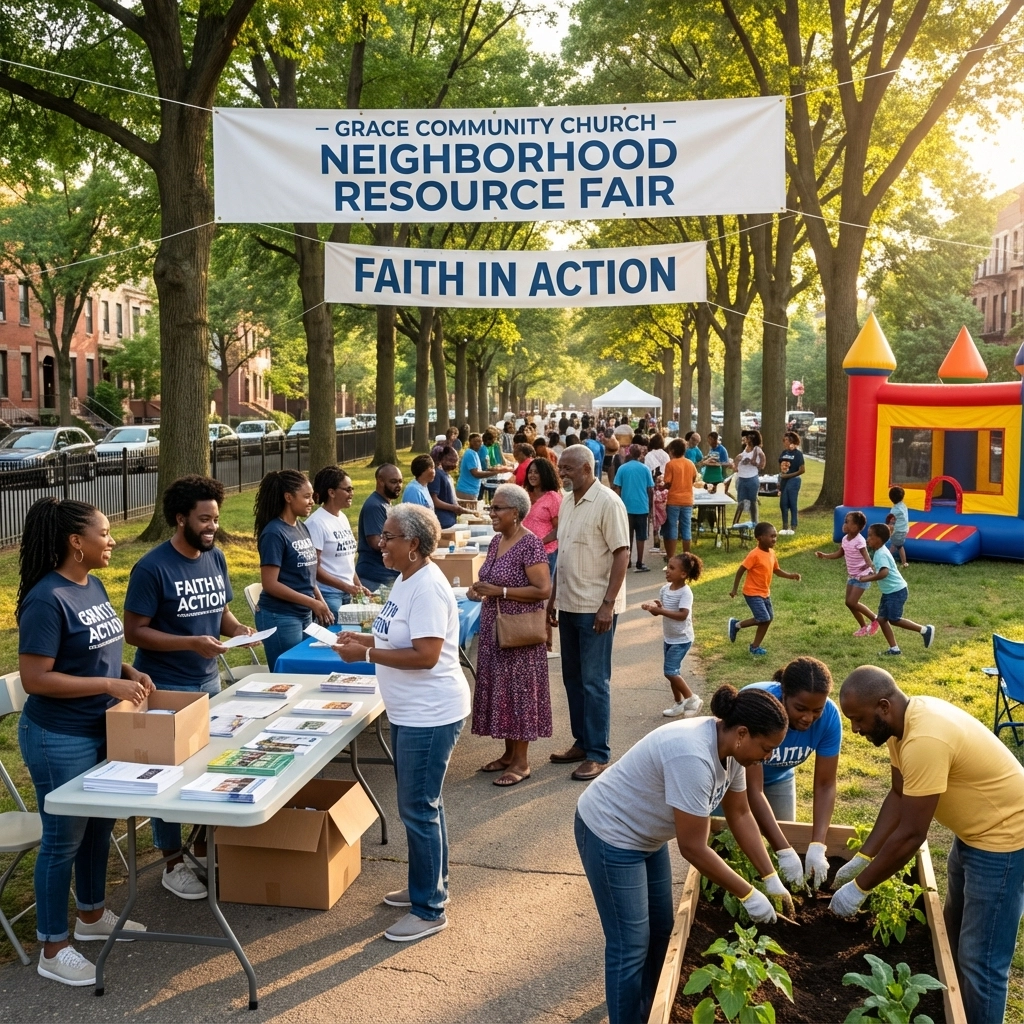
This doesn't mean GSC excludes secular approaches or non-religious community members. Instead, they recognize that faith-based organizations can serve as powerful catalysts for broader community transformation that benefits everyone.
Building Sustainable Systems
The vision behind GSC isn't about quick fixes or temporary programs. It's about building systems that become self-sustaining and continue growing over time. The Square Mile Partnership Model creates what economists call "positive feedback loops": each success makes the next success more likely.
When local businesses thrive, they can hire more community members. When more people have good jobs locally, they spend more money in local businesses. When churches see their community development work creating real change, they invest more energy and resources into these efforts.
This systematic approach requires tools, training, and ongoing support. Churches need help developing business relationships. Local businesses need marketing and networking support. Community members need ways to connect with opportunities in their own neighborhoods.
Looking Forward
GSC's vision represents more than community development: it's about community transformation through the intentional integration of faith, business, and local economic systems. Their approach recognizes that sustainable change happens when spiritual, economic, and social elements work together rather than in isolation.
For organizations supporting this vision, the opportunity is clear: provide the digital tools, training, and systematic support that help faith-based initiatives create lasting economic change in their communities.
The vision behind GSC isn't just about building stronger Black communities: it's about demonstrating what becomes possible when faith, business, and community development work together toward shared goals. That's a vision worth supporting with the best tools and strategies available.
Ready to learn more about how digital tools can support faith-based community development? Visit our website to explore solutions designed for organizations making real community impact.
