The Ultimate Guide to Church-Led Local Development: Everything You Need to Succeed
The Ultimate Guide to Church-Led Local Development: Everything You Need to Succeed
![[HERO] The Ultimate Guide to Church-Led Local Development: Everything You Need to Succeed](https://cdn.marblism.com/V7aPEx0kYHP.webp "[HERO] The Ultimate Guide to Church-Led Local Development: Everything You Need to Succeed")
For a long time, the role of the church in the neighborhood was simple: hold services on Sunday and run a food pantry on Wednesday. While those things are important, we are living in a time where the "pantry model" isn't enough to fix the deep-rooted issues in our neighborhoods. People don't just need a hand-out; they need a way to build a life.
That is where church-led local development comes in. It is a shift from temporary charity to long-term community transformation through churches. It is about the church taking its place as an economic engine and a community hub.
At The Globalliance Strategic Communities, we believe your church has the potential to be the most powerful developer in your city. You have the people, the passion, and the presence. Now, you just need the strategy and the tools to make it happen.
What is Economic Evangelism?
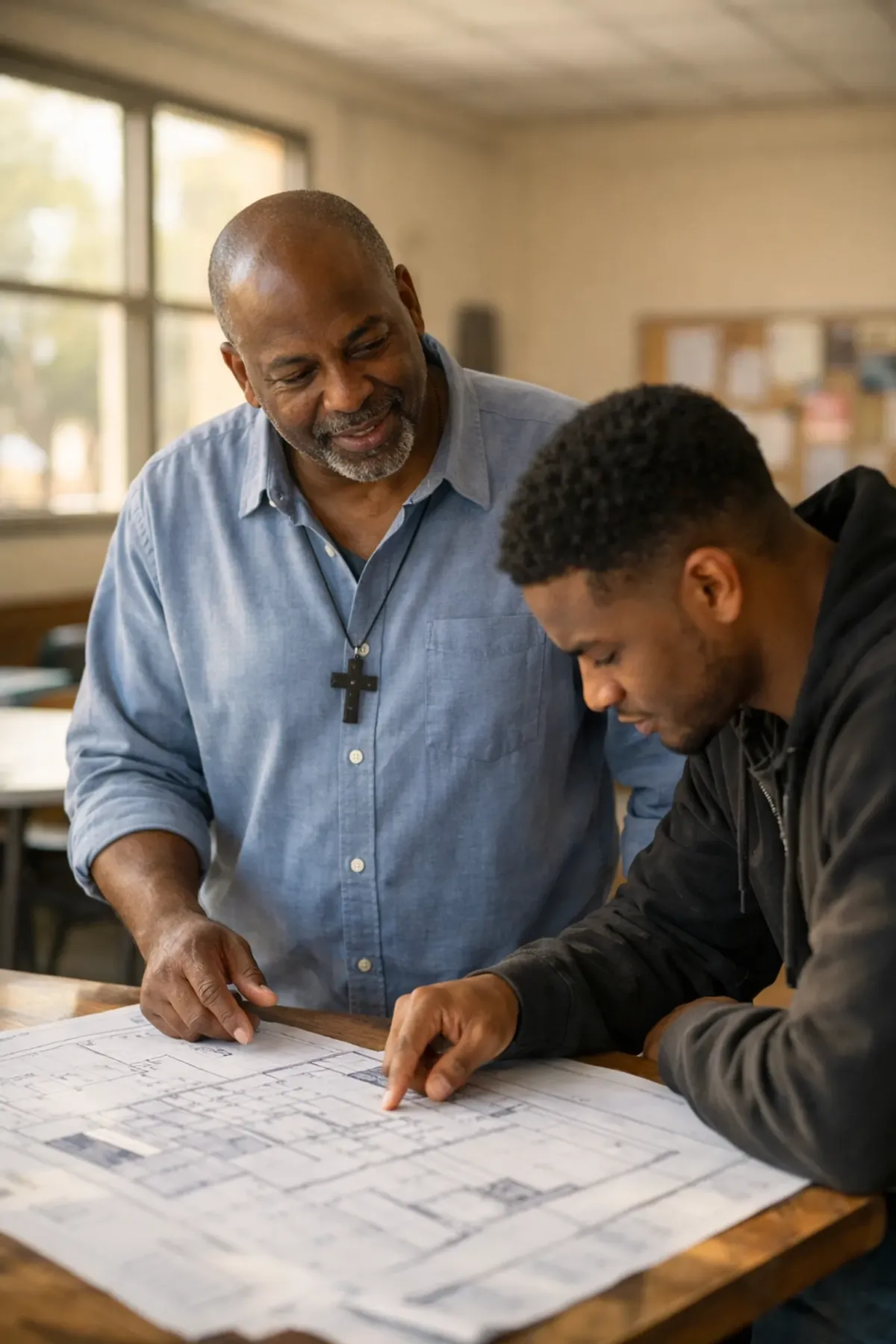
We like to use a term called "Economic Evangelism." It might sound like a business buzzword, but it’s actually a deeply spiritual concept. It’s the idea that the Gospel isn’t just about saving souls for the afterlife: it’s about bringing wholeness to people’s lives right now.
Economic Evangelism means that when a church helps a local mother start a business or helps a young man find a living-wage job, they are demonstrating the love of Christ in a tangible way. It’s about stewardship of the resources God has placed in the community. When the local economy is healthy, families are more stable, crime drops, and the church becomes a beacon of hope that people actually trust.
This isn't about the church becoming a bank. It’s about the church becoming a bridge. You are bridging the gap between the resources that exist and the people who need them.
The Square Mile Model: Starting Where You Are
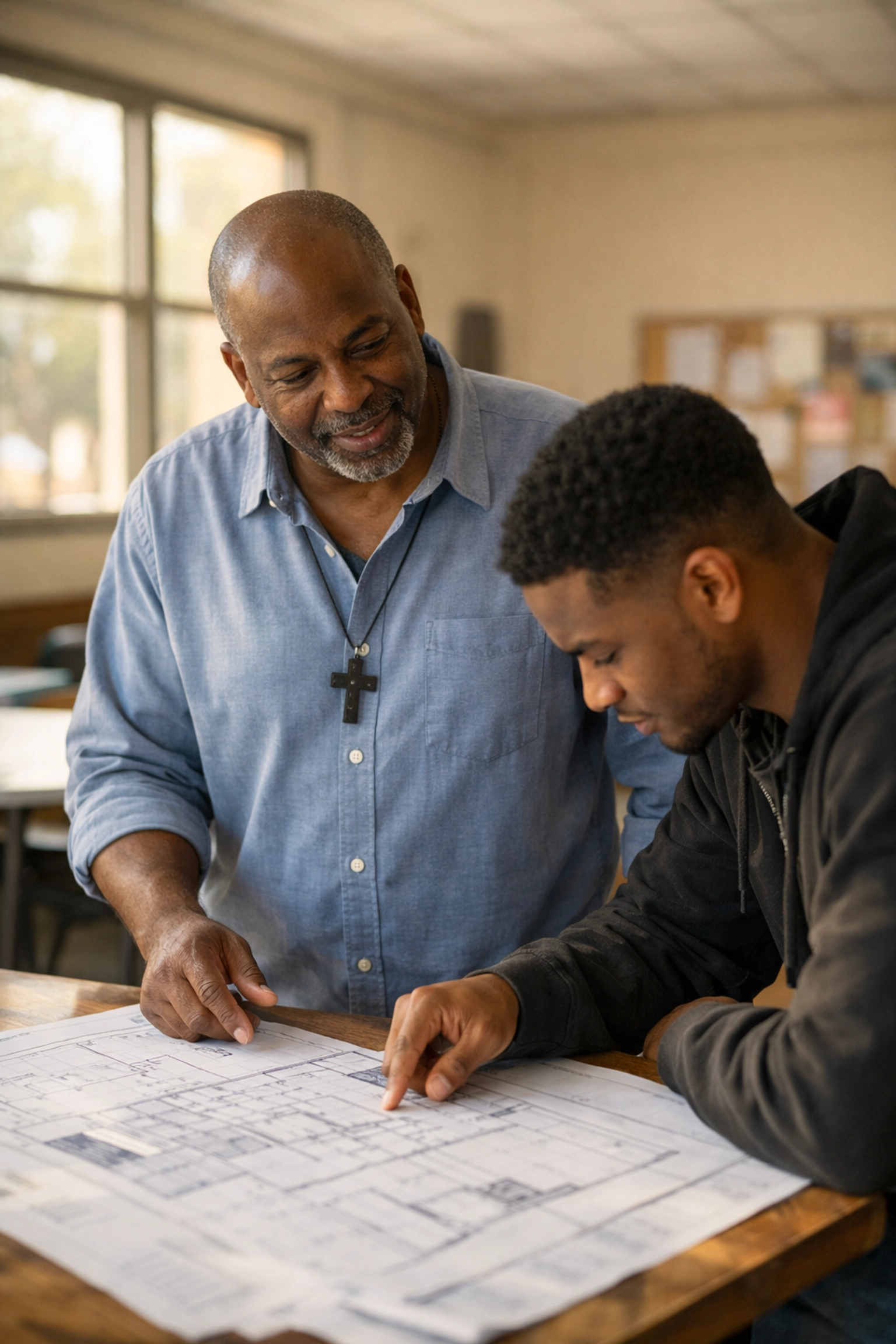
One of the biggest mistakes church leaders make is trying to change the whole world before they’ve changed their own block. We advocate for the "Square Mile" model.
The concept is simple: your church is responsible for the health and vitality of the one-square-mile area surrounding your building. If your church is thriving but the houses across the street are falling down and the local shops are boarded up, there is a disconnect.
Church-led local development starts with a walk around the block. Who lives there? What are the local assets? Which businesses are struggling? By focusing on a specific geographic area, your church community impact becomes visible. You aren't just a building people drive to once a week; you are a neighbor that is invested in the street.
Building a Closed-Loop Economy
To really see faith-based economic development take hold, we have to talk about money. Specifically, how money leaves our communities. In many underserved neighborhoods, a dollar spent at a big-box store leaves the community within hours.
A "closed-loop economy" is a system where money stays within the community for as long as possible. As a church leader, you can lead the charge by encouraging your congregation to shop locally and by using the church’s own purchasing power to support local vendors.
Supporting Black-Owned Businesses
A major pillar of building a closed-loop economy is the intentional support of local Black-owned businesses. Many of these entrepreneurs have the talent and the product but lack the "social capital" or the digital tools to reach a wider audience.
When your church prioritizes these businesses for catering, maintenance, or supplies, you are doing more than just buying a service. You are stabilizing a family and creating jobs. This is where the GSC community shines: connecting these businesses with the people who want to support them.

Using Modern Tech to Manage the Mission
You might be thinking, "Jeffrey, I'm a pastor, not a tech CEO. How am I supposed to manage all of this?"
That is exactly why we built The GSC platform. In the past, trying to coordinate community development required a dozen different spreadsheets, three different apps, and a lot of prayer that nothing would get lost. Modern tech shouldn't be a burden; it should be a force multiplier for your mission.
An All-in-One Platform
To succeed in church-led local development, you need a way to track your progress. Our platform allows you to:
Manage Your Network: Keep track of community members, business owners, and volunteers in one place.
Communicate Clearly: Send updates to the neighborhood or your internal team without getting lost in email threads.
Facilitate Transactions: Create a digital marketplace where the community can support local businesses directly.
When your tech is simple, your team can focus on people instead of troubleshooting software.
Measuring Community Success: Beyond "Butts in Seats"
For decades, the only metric churches cared about was Sunday morning attendance. But if we want to talk about real community transformation through churches, we have to look at different numbers.
How do we measure success in faith-based economic development? Here are a few things we track:
Local Dollars Retained: How much money is staying in the "Square Mile" because of church initiatives?
Business Growth: How many local businesses have seen an increase in revenue or reached new customers through the GSC community?
Job Creation: Are community members finding work through the connections made at the church?
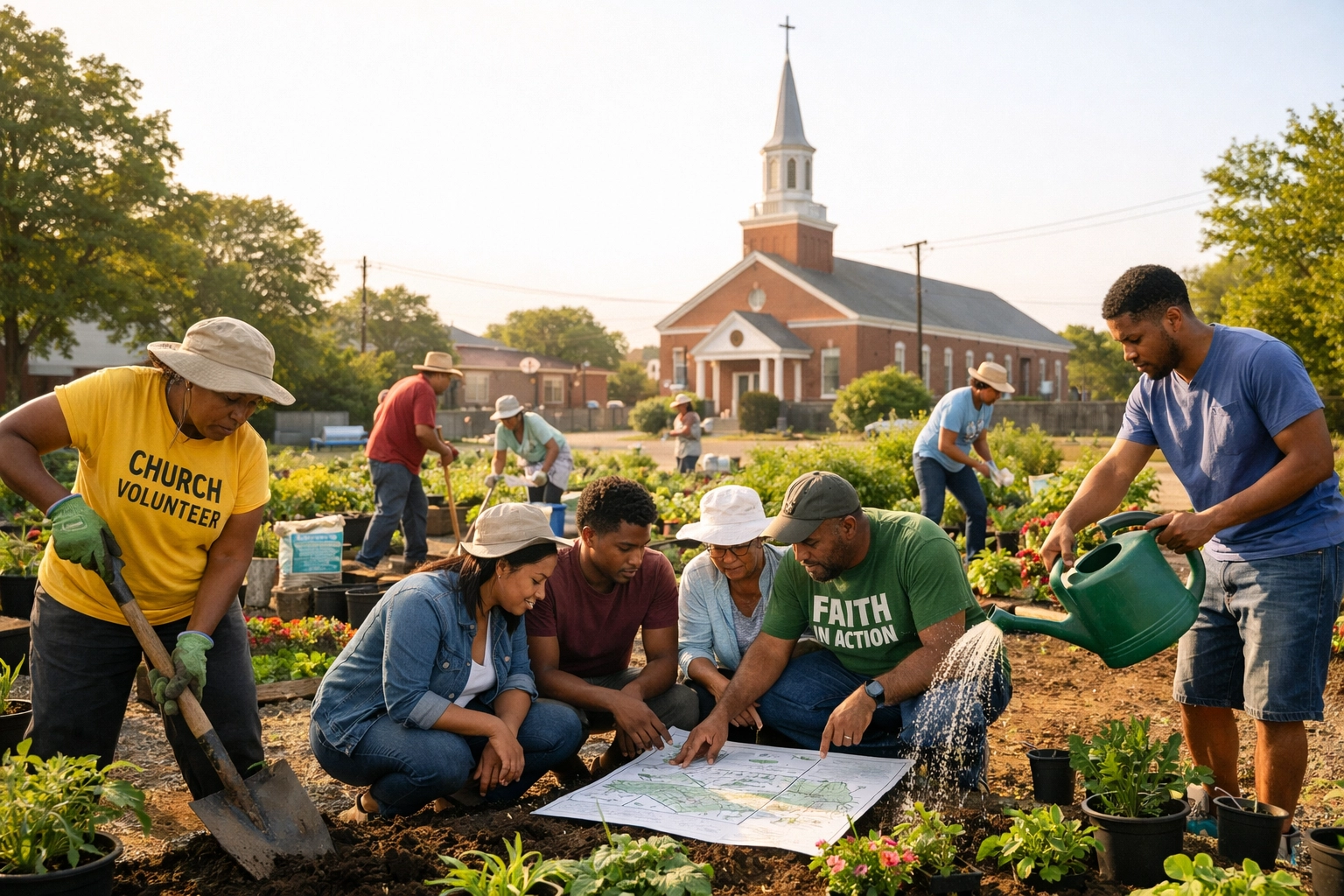
Asset Mapping: How many vacant lots have been turned into gardens? How many homes have been repaired?
Data isn't the enemy of the Spirit; it's the evidence of your impact. When you can show a city council or a donor that your church helped three businesses stay open during a rough year, your influence grows.
Getting Your Congregation on Board
This kind of work requires a culture shift. Not everyone will understand why the church is talking about "economic loops" or "business development" at first.
Start small. Share stories of the people behind the businesses you are supporting. Invite a local business owner to share their journey during a service. Show the congregation that supporting a neighbor's business is an act of worship.
When people see that their involvement is actually changing the physical landscape of their neighborhood, the excitement builds. It moves from being "the pastor's project" to being "the community’s mission."
The GSC Community: You Don't Have to Do It Alone
One of the hardest parts of leadership is the feeling that you are on an island. You have this big vision for your neighborhood, but you don't know who to talk to when you hit a wall.
The GSC community is designed to be your support system. It’s a network of like-minded leaders who are all using the same tools and strategies to transform their local areas. By joining this movement, you get access to the best practices and the collective wisdom of others who have been where you are.
Practical First Steps for Next Week
If you are ready to start, you don't need a million-dollar budget. You just need a plan.
Define Your Square Mile: Grab a map and draw a circle around your church. This is your mission field.
Identify Five Businesses: Find five local businesses (especially Black-owned businesses) within that circle. Go visit them. Introduce yourself. Don't ask for anything: just ask how the church can pray for their business.
Audit Your Spending: Look at where the church is spending money. Can any of those contracts be moved to a local vendor?
Check Out the Platform: Look into how an all-in-one digital tool can help you organize these efforts so they don't fall off your plate.
Final Thoughts
Church-led local development is the future of the ministry. It’s how we remain relevant in a world that is increasingly skeptical of institutions. When the church is the reason a local mom can feed her kids because her business is thriving, nobody questions the value of that church.
It’s time to move beyond the four walls of the sanctuary and into the streets of the square mile. We have the tools, we have the heart, and we have the mandate. Let’s get to work.
If you’re ready to see how The Globalliance Strategic Communities can help you manage your community’s growth, reach out. We’re here to help you succeed.
