What Is a Square Mile and Why It Matters
What Is a Square Mile and Why It Matters
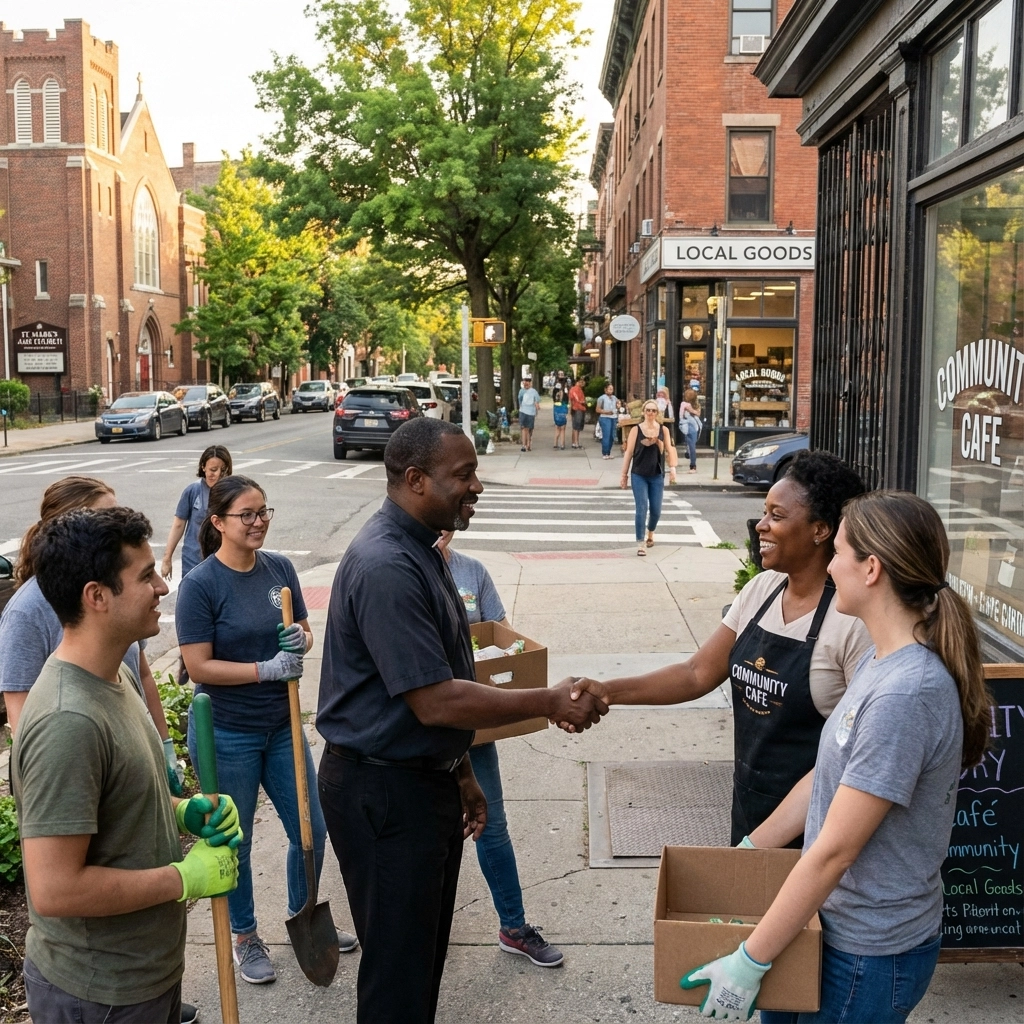
When we talk about transforming communities, we're not just speaking in abstract terms. Real change happens in real places, with real boundaries and real people. That's where the concept of a square mile becomes powerful for community development.
A square mile isn't just a measurement: it's a framework for focused, sustainable community transformation that churches and organizations can actually manage and measure.
The Foundation: What Exactly Is a Square Mile?
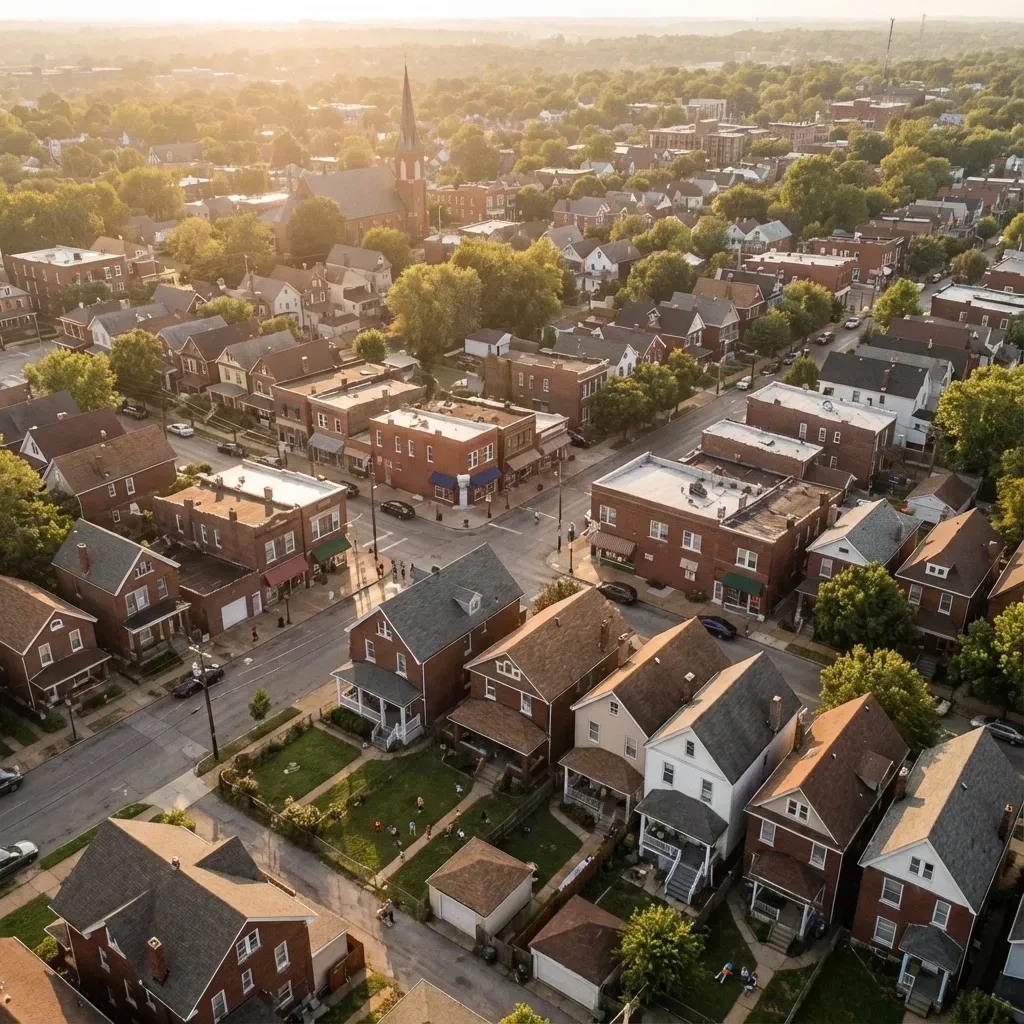
A square mile represents 640 acres of land, or roughly 27,878,400 square feet. To put that in perspective, it's about the size of 640 football fields arranged together. In most urban settings, a square mile typically houses between 2,000 to 8,000 people, depending on population density.
But here's what makes this measurement special for community development: it's large enough to create meaningful impact, yet small enough for a dedicated group to know personally and serve effectively.
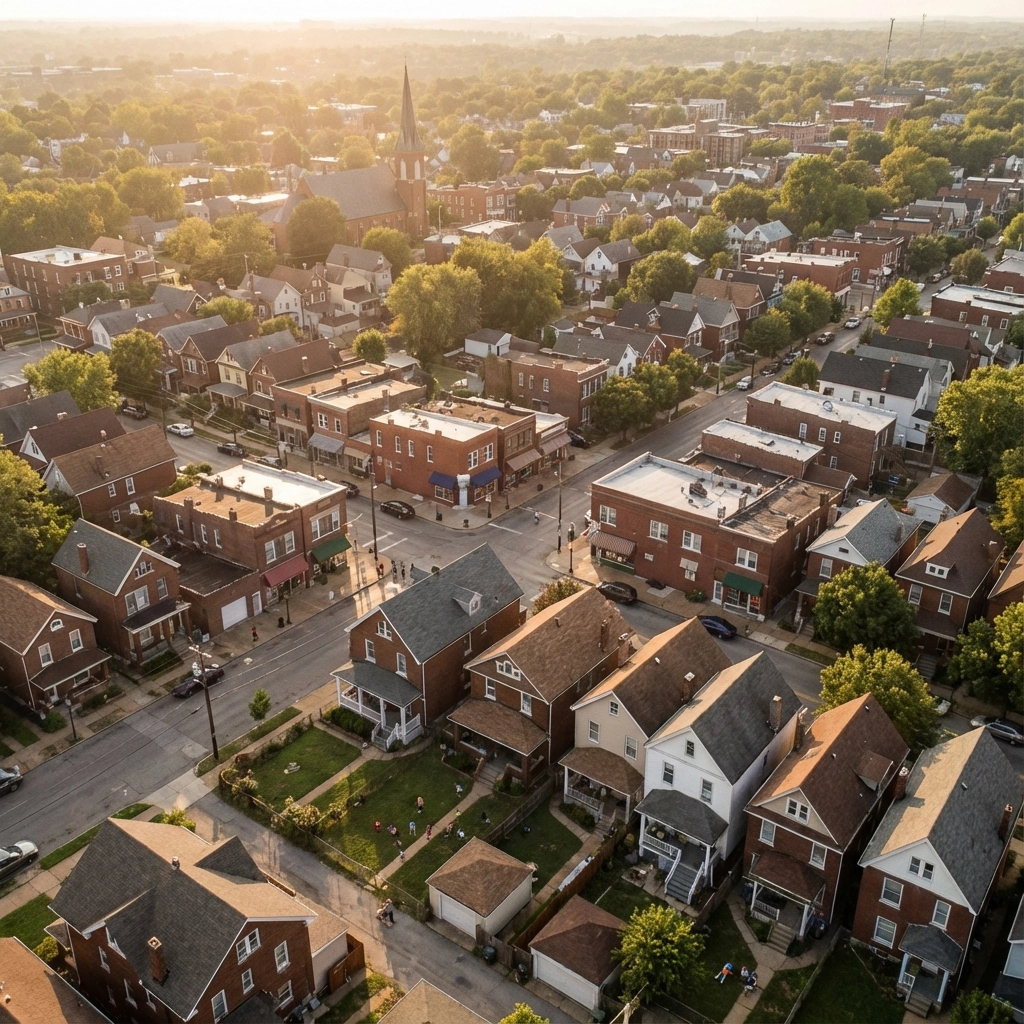
The square mile gives us something concrete to work with. Instead of trying to "change the world," we can focus on changing one square mile. Instead of getting overwhelmed by citywide problems, we can address the specific needs of our immediate neighbors.
Why the Square Mile Model Works for Community Development
It Creates Manageable Scope
Most successful community development happens when organizations resist the urge to spread themselves thin. The square mile model forces focus. When you commit to one square mile, you're committing to really knowing that area: its people, its businesses, its challenges, and its potential.
This focused approach allows for deeper relationships and more sustainable change. Rather than surface-level programs that touch many areas lightly, square mile thinking encourages deep, lasting transformation in a specific place.
It Enables Measurable Results
You can't manage what you can't measure. The square mile provides clear geographic boundaries for tracking progress. Did the high school graduation rate improve in your square mile? Are new businesses opening? Are property values stabilizing? Are families staying in the community longer?
These metrics become trackable and meaningful when tied to a specific geographic area. Success isn't abstract: it's visible on every street corner.
It Fosters Genuine Community
Real community happens between people who share common spaces, common challenges, and common hopes. The square mile model recognizes that lasting change comes through relationship-building, not just program delivery.
When organizations commit to a square mile, they're committing to becoming part of the fabric of that community, not just visitors who come and go.
How Churches Lead in the Square Mile Model
Churches are uniquely positioned to lead square mile transformation because they're already embedded in their communities. They have buildings, they have committed volunteers, and they have a mission that extends beyond Sunday morning.
Natural Community Anchors
Most churches already think in terms of their immediate neighborhood. They know the local schools, the corner stores, the families who live nearby. This existing connection makes churches natural starting points for square mile development initiatives.
Churches also tend to have longevity. While programs and organizations come and go, churches often remain in communities for decades. This stability provides the long-term commitment that real community development requires.
Built-in Volunteer Base
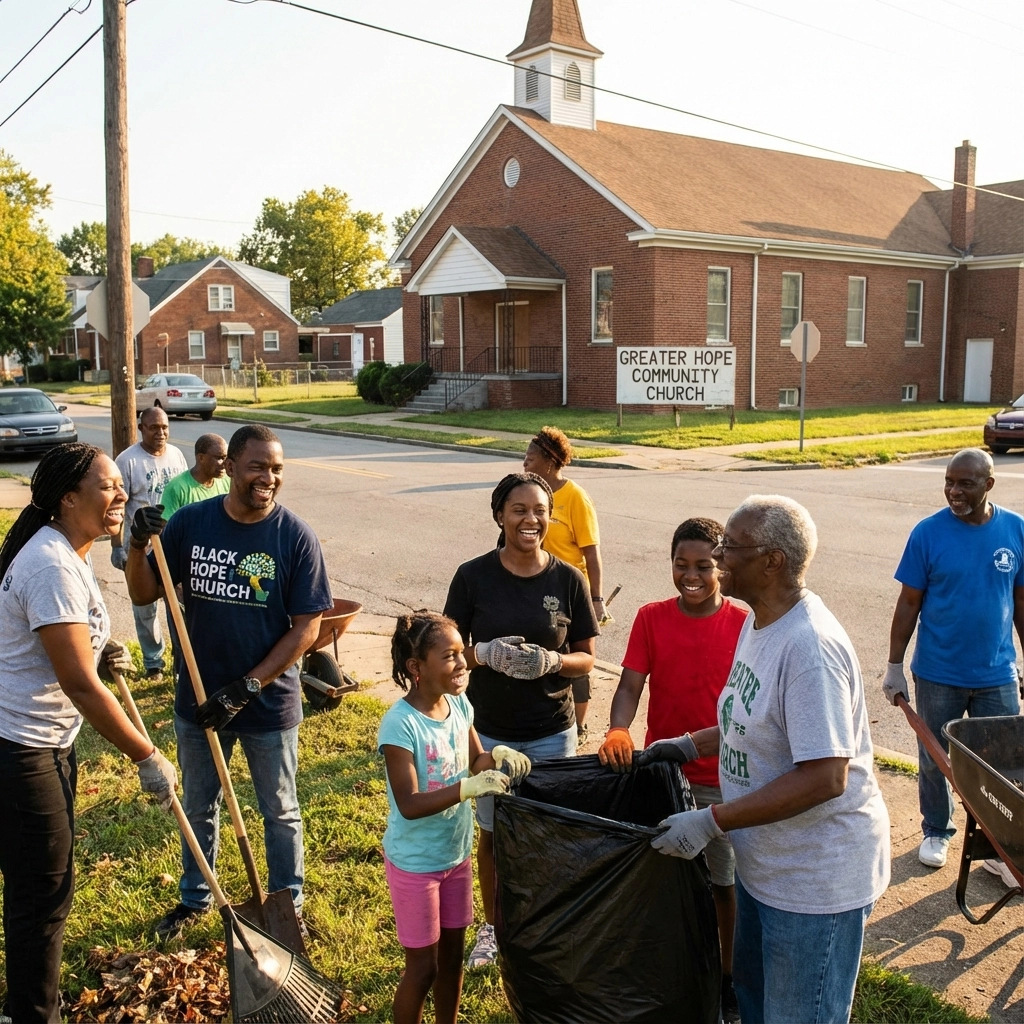
Effective community development requires people power. Churches already have groups of committed volunteers who are motivated by service and community improvement. These volunteers don't need to be recruited or convinced: they're already invested in making their community better.
Moral Authority and Trust
Churches often hold respected positions in their communities. Residents may trust church-led initiatives more than government programs or outside organizations. This trust opens doors and creates opportunities for authentic community engagement.
Real-World Impact of Square Mile Thinking
The square mile approach has proven effective in communities across the country. When organizations focus their efforts geographically, they can:
Create economic opportunities by supporting existing businesses and encouraging new ones within walking distance of residents' homes.
Improve educational outcomes by partnering with local schools and creating after-school programs that serve the immediate neighborhood.
Enhance public safety through increased community engagement and neighbor-to-neighbor relationships.
Stabilize housing by helping residents become homeowners and maintaining property values through community pride and investment.
Build social capital as neighbors get to know each other and work together on shared challenges.
The Multiplier Effect
What makes the square mile model particularly powerful is its potential for replication. When one square mile shows consistent improvement, neighboring areas often want to adopt similar approaches. Success becomes contagious.
This organic expansion is much more sustainable than trying to launch large-scale initiatives from the beginning. Each successful square mile becomes a training ground and inspiration for the next one.
Getting Started with Your Square Mile
If you're interested in applying square mile thinking to your community development efforts, start by identifying your geographic focus. This might be the area immediately surrounding your church, the neighborhood where most of your congregation lives, or simply the community that feels most connected to your organization's mission.
Walk the area regularly. Notice what's happening on the streets, in the schools, in the local businesses. Talk to residents about what they love about their neighborhood and what they'd like to see change.
Connect with other organizations already working in the area. The square mile model works best when multiple groups coordinate their efforts rather than competing for attention or resources.
Start small but think strategically. One successful block party can lead to a neighborhood association. One tutoring program can evolve into comprehensive educational support. One community garden can spark multiple economic development projects.
The key is consistency and commitment. Real community transformation happens gradually, through relationship-building and sustained effort over time.
Building Something That Lasts
The square mile model isn't about quick fixes or short-term programs. It's about building communities where families want to stay, where businesses can thrive, and where neighbors know and support each other.
This approach requires patience, but it also offers something that broader, less-focused efforts often miss: the satisfaction of seeing real change in real places, with real people whose lives are genuinely better because of the work you've done together.
When churches and community organizations embrace the square mile mindset, they're not just measuring land: they're defining the scope of their love, service, and commitment to transformation.
Ready to learn how your church can lead transformation in your square mile? Understanding the model is just the beginning. The real work starts when you take that first step into your community with intention, commitment, and hope.
