What Is Globalliance Strategic Communities (GSC)?
What Is Globalliance Strategic Communities (GSC)?
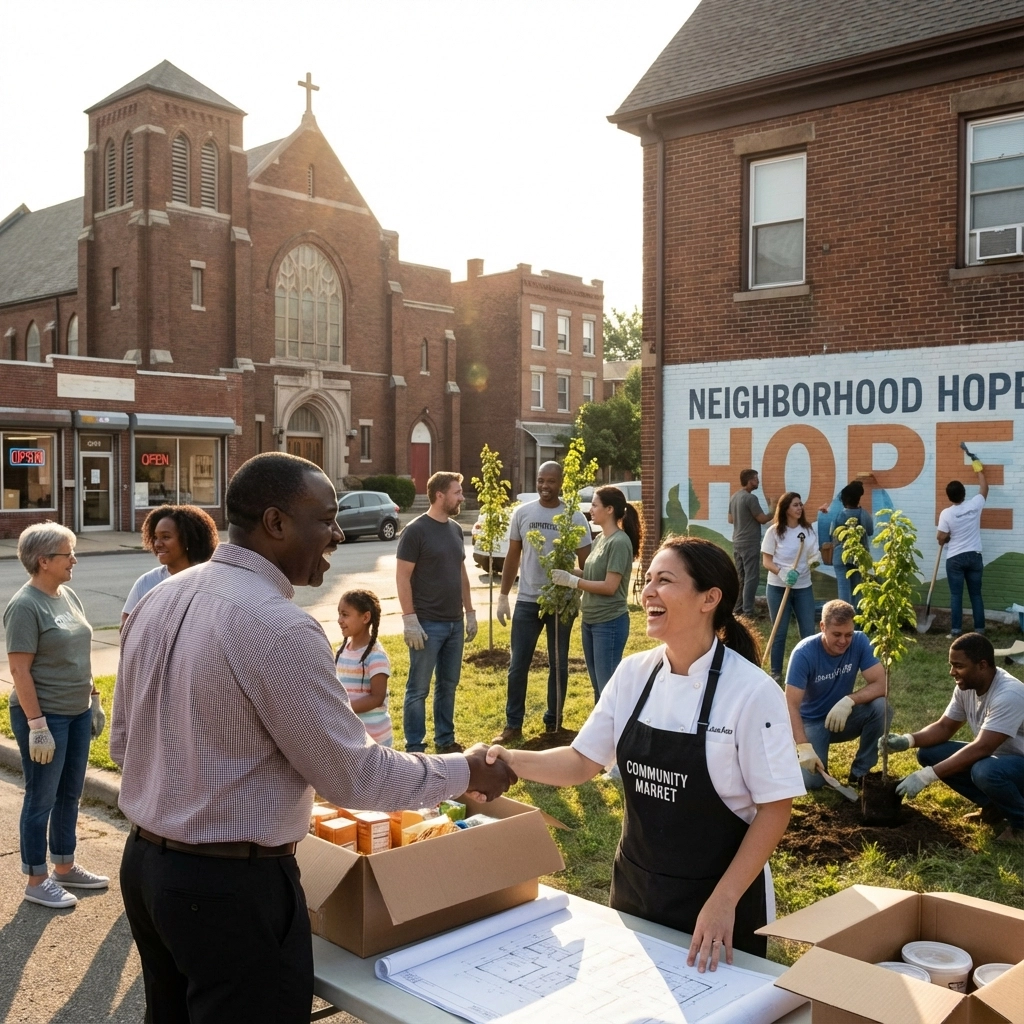
Communities across the globe face similar challenges: limited economic opportunities, disconnected resources, and the struggle to build lasting wealth within their neighborhoods. But what if there was a way to harness the collective power of faith-based institutions and local businesses to create real, sustainable change?
Globalliance Strategic Communities (GSC) represents a groundbreaking approach to community development that's transforming how we think about economic empowerment. This innovative organization is pioneering what many consider the largest Black Wealth Transfer Movement in modern history, creating a blueprint for community-driven economic growth that other regions can adapt and implement.
Understanding Globalliance Strategic Communities
At its core, Globalliance Strategic Communities is a worldwide coalition of visionary leaders, strategists, and faith-driven professionals spanning Africa, the Caribbean, and beyond. The organization operates on a simple yet powerful premise: when churches and local businesses work together strategically, they can redirect economic resources back into their own communities.
GSC's mission centers around breaking the cycle of economic dependency that many communities face. Instead of watching local dollars flow out to external corporations and distant markets, GSC creates systems that keep community wealth circulating locally. This approach builds stronger, more resilient neighborhoods while fostering long-term prosperity.
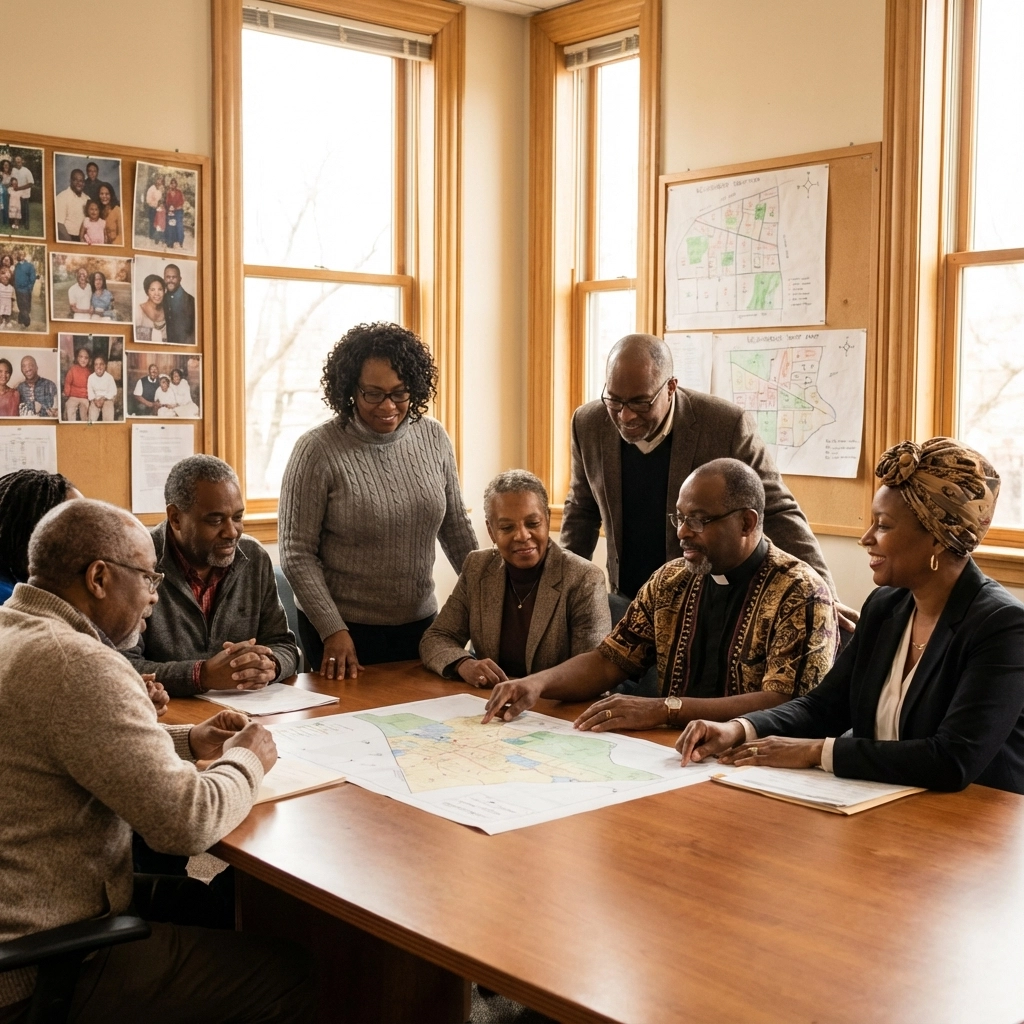
The organization brings together diverse stakeholders who share a common vision of community empowerment. These include church leaders, business owners, community organizers, and development professionals who understand that sustainable change requires collaboration across different sectors of society.
The Faith-Based Economic Model
What sets GSC apart is its faith-based economic model that recognizes churches as more than spiritual centers: they're economic anchors within their communities. Churches often represent some of the most stable institutions in neighborhoods, with established networks, trusted leadership, and deep community connections.
GSC's model leverages these existing relationships and infrastructure to create economic opportunities. Rather than starting from scratch, the organization builds upon the trust and social capital that churches have cultivated over decades. This approach makes implementation more efficient and sustainable.
The faith-based aspect isn't just about religious affiliation: it's about operating with values of stewardship, community care, and long-term thinking. These principles guide decision-making and ensure that economic initiatives serve the broader community good rather than individual profit alone.
Churches participating in GSC programs become catalysts for economic development. They may host business incubators, provide meeting spaces for entrepreneur networks, or connect community members with local business opportunities. This transforms religious institutions into hubs of both spiritual and economic activity.
The Square Mile Partnership Model
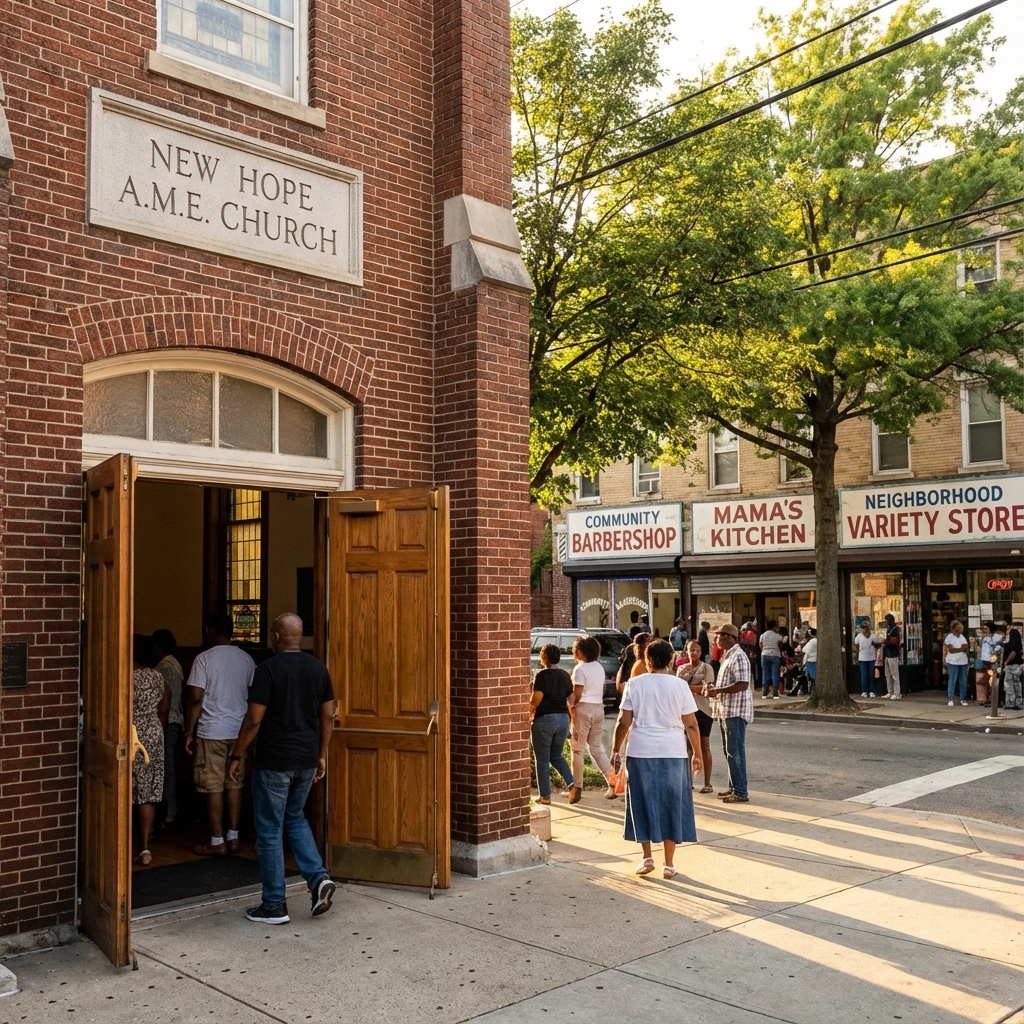
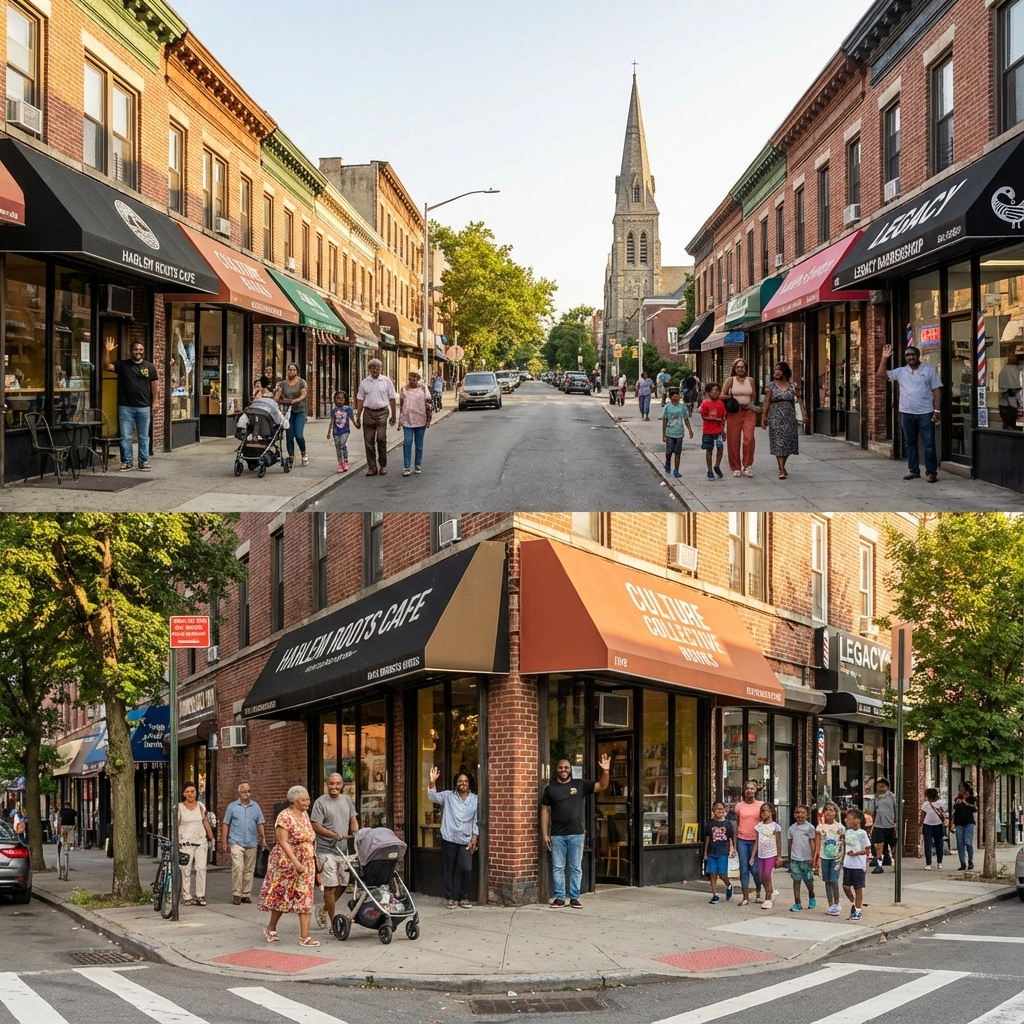
GSC implements its vision through the innovative Square Mile Partnership Model, a cooperative network that unites Black churches and Black-owned businesses within specific geographic areas. This model focuses on creating dense networks of mutual support within walkable community zones.
The "square mile" concept isn't just about geography: it's about creating manageable, focused areas where partnerships can be deep and meaningful. Within each square mile, churches and businesses work together to identify community needs, share resources, and create opportunities for local residents.
This model encourages businesses to source locally when possible, hire from within the community, and reinvest profits back into neighborhood development. Churches provide community gathering spaces, volunteer networks, and spiritual support for business initiatives. Together, they create a ecosystem of mutual support and shared prosperity.
The partnership model also emphasizes education and skill development. Local businesses mentor aspiring entrepreneurs, while churches provide educational programming and life skills training. This creates pathways for community members to move from employment to business ownership, building generational wealth over time.
Community Development Through Strategic Collaboration
GSC's approach to community development differs from traditional top-down programs. Instead of external organizations imposing solutions, GSC facilitates community-driven initiatives that emerge from local needs and strengths. This ensures that development efforts are culturally relevant and sustainable.
The organization focuses on four key areas: community outreach, education, job creation, and intergenerational wealth-building. These pillars work together to create comprehensive community transformation that addresses both immediate needs and long-term prosperity.
Community outreach initiatives connect residents with available resources, services, and opportunities. This might include financial literacy workshops, health and wellness programs, or cultural events that strengthen community bonds. The goal is ensuring that all community members can access the support they need to thrive.

Educational programming ranges from early childhood development to adult learning opportunities. GSC recognizes that education is fundamental to economic mobility, so they support both formal and informal learning initiatives. This includes everything from after-school programs to business development workshops.
Job creation efforts focus on developing opportunities within the community rather than simply connecting people to external employment. This includes supporting local business expansion, encouraging entrepreneurship, and developing cooperative enterprises that keep wealth circulating locally.
Building Intergenerational Wealth
One of GSC's most significant contributions is its focus on intergenerational wealth-building. Rather than just addressing immediate economic needs, the organization creates systems that build assets and opportunities for future generations.
This long-term perspective influences how GSC approaches every initiative. Business development programs emphasize building enterprises that can be passed down through families. Real estate initiatives focus on increasing community ownership of local properties. Educational programs include financial literacy and business planning skills that prepare young people for economic leadership.
The wealth-building approach also recognizes that community prosperity requires diverse types of assets. This includes financial assets like savings and business ownership, but also social assets like strong networks and cultural assets like preserved traditions and community identity.
GSC helps communities develop strategies for protecting and growing these various forms of wealth. This might involve establishing community investment funds, creating business succession planning programs, or developing cooperative ownership models that prevent displacement and gentrification.
Measuring Impact and Success
GSC measures success through both quantitative metrics and qualitative community feedback. Economic indicators include local business revenue growth, job creation numbers, and community ownership rates. But equally important are measures of social cohesion, community pride, and resident engagement in local initiatives.
The organization tracks how effectively programs redirect economic activity within communities. This includes monitoring procurement patterns, employment practices, and investment flows. Success means seeing more dollars stay local while creating opportunities for community members to build wealth.
Regular community feedback sessions ensure that programs remain responsive to resident needs and priorities. GSC recognizes that true success requires community members feeling ownership of development initiatives rather than simply being beneficiaries of external programs.
The Technology Connection
As a initiative supported by The JAWS Group's digital tools platform, GSC leverages technology to enhance community development efforts. Digital tools help coordinate partnerships, track resource flows, and connect community members with opportunities and services.
Technology platforms facilitate communication between churches, businesses, and community members. This includes everything from event coordination to resource sharing to business networking. The goal is using technology to strengthen rather than replace face-to-face community relationships.
Data analytics help GSC and partner communities understand economic patterns and identify opportunities for improvement. This evidence-based approach ensures that development efforts are targeted and effective, making the best use of limited community resources.

Getting Involved and Learning More
Globalliance Strategic Communities represents a new model for community-driven economic development that other regions and communities can adapt to their specific contexts. The principles of faith-based collaboration, local wealth circulation, and long-term wealth-building apply across diverse community settings.
Whether you're a community leader, business owner, or concerned resident, there are opportunities to learn from and potentially implement GSC's approaches in your own area. The organization provides resources, training, and consultation to help communities develop their own strategic partnership models.
The key is starting with existing community assets and relationships rather than waiting for external solutions. Every community has churches, businesses, and residents who care about local prosperity. GSC shows how these stakeholders can work together more strategically to create lasting change.
Ready to discover how the Square Mile Partnership Model could transform your community's economic landscape? Learn how GSC works and explore the practical steps your community can take toward building sustainable, faith-informed prosperity that serves both current residents and future generations.
