Why a Closed-Loop Economy Will Change the Way Your Church Impacts the Community
Why a Closed-Loop Economy Will Change the Way Your Church Impacts the Community
![[HERO] Why a Closed-Loop Economy Will Change the Way Your Church Impacts the Community](https://cdn.marblism.com/JasiMmvKG5d.webp "[HERO] Why a Closed-Loop Economy Will Change the Way Your Church Impacts the Community")
Let’s talk about the Sunday morning dollar. You know the one. It’s given with a heart of worship, dropped into a basket (or typed into an app), and set aside for the work of the Kingdom. But have you ever wondered where that dollar goes on Monday morning?
Usually, it leaves. It goes to a massive bank, a global software conglomerate, or a big-box utility company. By Monday afternoon, that dollar is miles away from the neighborhood it was meant to serve. This is the "leaky bucket" problem, and it’s why so many churches feel like they are running on a treadmill: working hard but not quite moving the needle on community poverty or growth.
There is a better way. We call it the closed-loop economy. It sounds like a buzzword from an Ivy League business school, but it’s actually a very old, very biblical concept. It’s about keeping our resources circulating where they can do the most good: right in our own backyard.
The Leaky Bucket vs. The Closed Loop
Most local economies are leaky. Money comes in through wages or social services and immediately flows out to corporations that have no stake in the local street corner. When a church operates in this environment, its impact is limited by how much "new" money it can constantly attract.
A closed-loop economy changes the game. Instead of letting resources escape, we create a cycle. The church buys from a local printer. That printer hires a member of the congregation. That member shops at the local grocery store. The grocery store owner tithes back to the church.
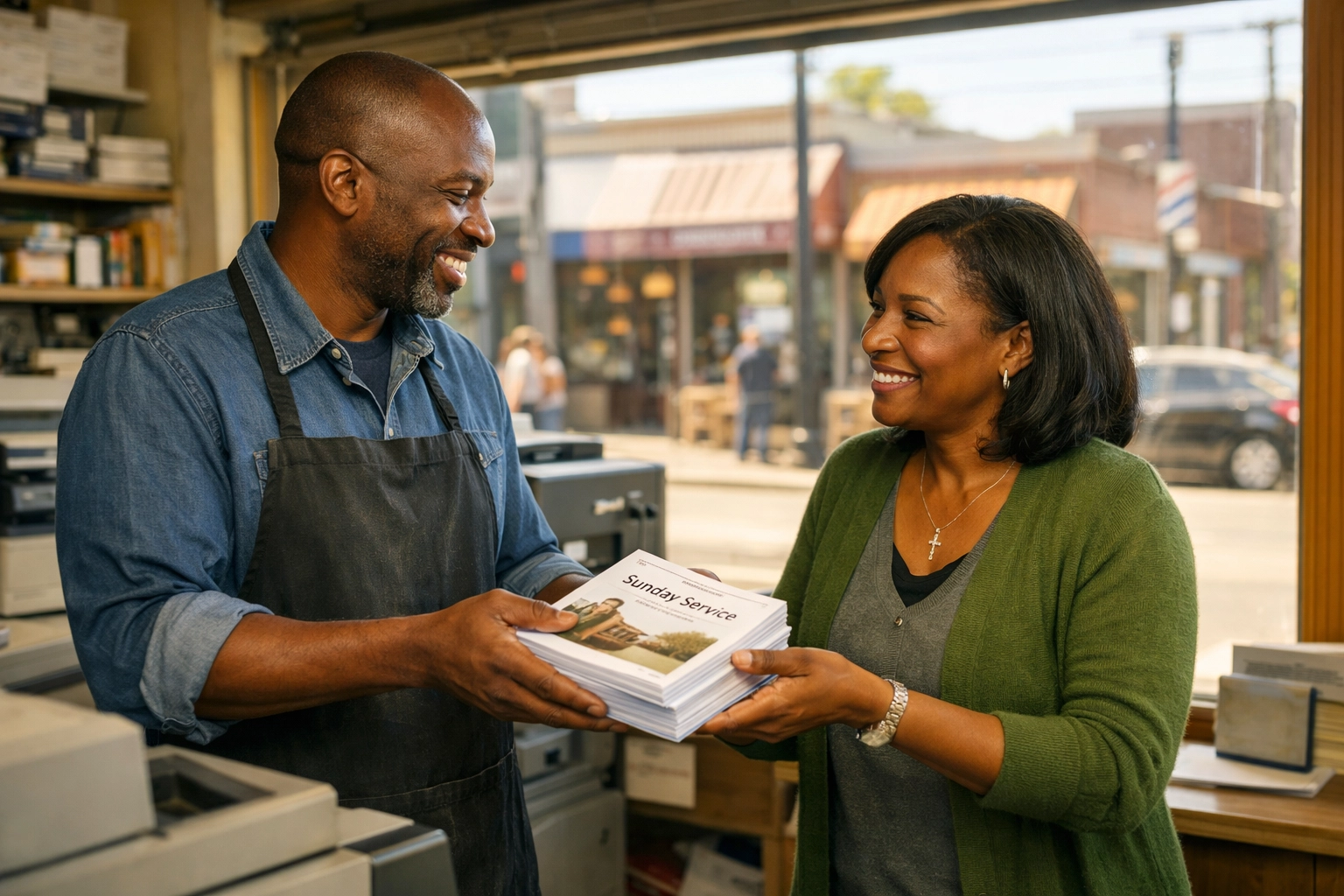
This is called local economic reinvestment. It’s the difference between giving a man a fish and building a pond where everyone can fish together. When we close the loop, we stop managing poverty and start building wealth. For the church, this isn't just "good business." It’s a core part of the mission.
What is Economic Evangelism?
At The JAWS Group, we like to use the term "Economic Evangelism." Usually, when we hear the word evangelism, we think of sharing the Gospel. That is priority number one, of course. But the Gospel has always been concerned with the whole person: their spirit, their mind, and their dinner table.
Economic Evangelism is the practice of using our financial systems to demonstrate the love of Christ. It means being intentional about where the church spends its "business" money. It means encouraging the congregation to support faith-based economic programs that keep the community strong.
When a community sees a church not just preaching about a better life but actually facilitating a more stable local economy, the message of the Gospel gains a new kind of credibility. It’s hard to ignore a God who is actively fixing the neighborhood’s broken economic fences.
Community Wealth Building in the Square Mile
The concept of community wealth building is particularly vital when we talk about Black community economic development. Historically, many neighborhoods have been intentionally drained of resources. The closed-loop model is a powerful tool for restoration.
By focusing on a "Square Mile" approach: investing deeply in a specific geographic area: a church can become an anchor institution. You aren't just a place of worship; you are an economic engine. You are a reason for a small business to stay, for a family to buy a home, and for a young person to see a future in their own zip code.
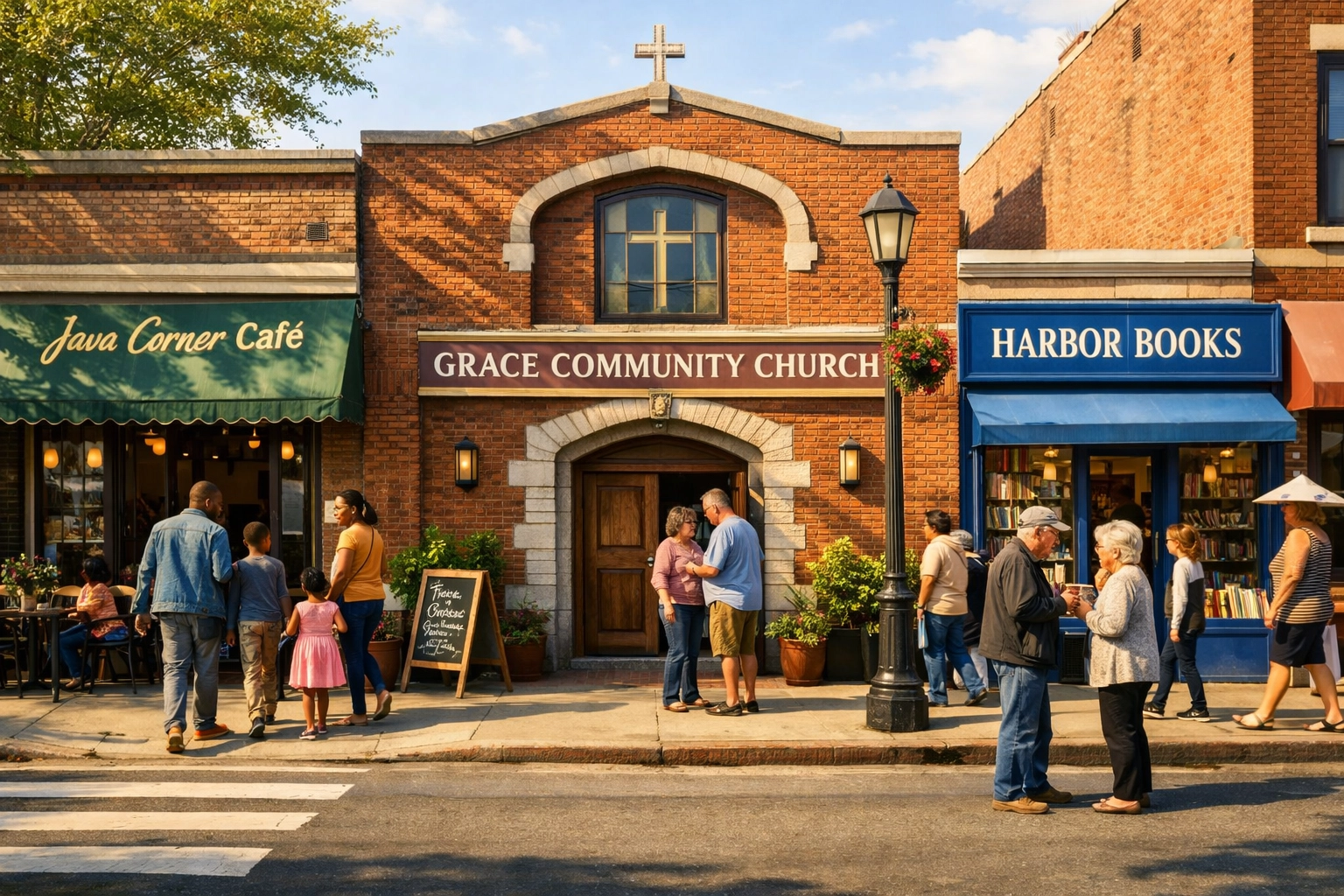
This isn’t about being "exclusive" or "closed off" to the world. It’s about being sustainable. You can’t pour into the world if your own pitcher is empty. By strengthening the local loop, you create a surplus that allows you to reach even further.
Why Tech is the Missing Link
So, why hasn't every church done this already? Because tracking a closed-loop economy is hard. In the past, you needed a team of accountants and community organizers to know who was buying what and where the money was going.
This is where the Globalliance Strategic Communities comes in. We believe that technology shouldn't just be for the "big guys." It should be the tool that empowers the local church to manage its own ecosystem. To build a successful closed-loop economy, you need three things: data, simplicity, and connection.
1. A CRM That Sees People, Not Just Names
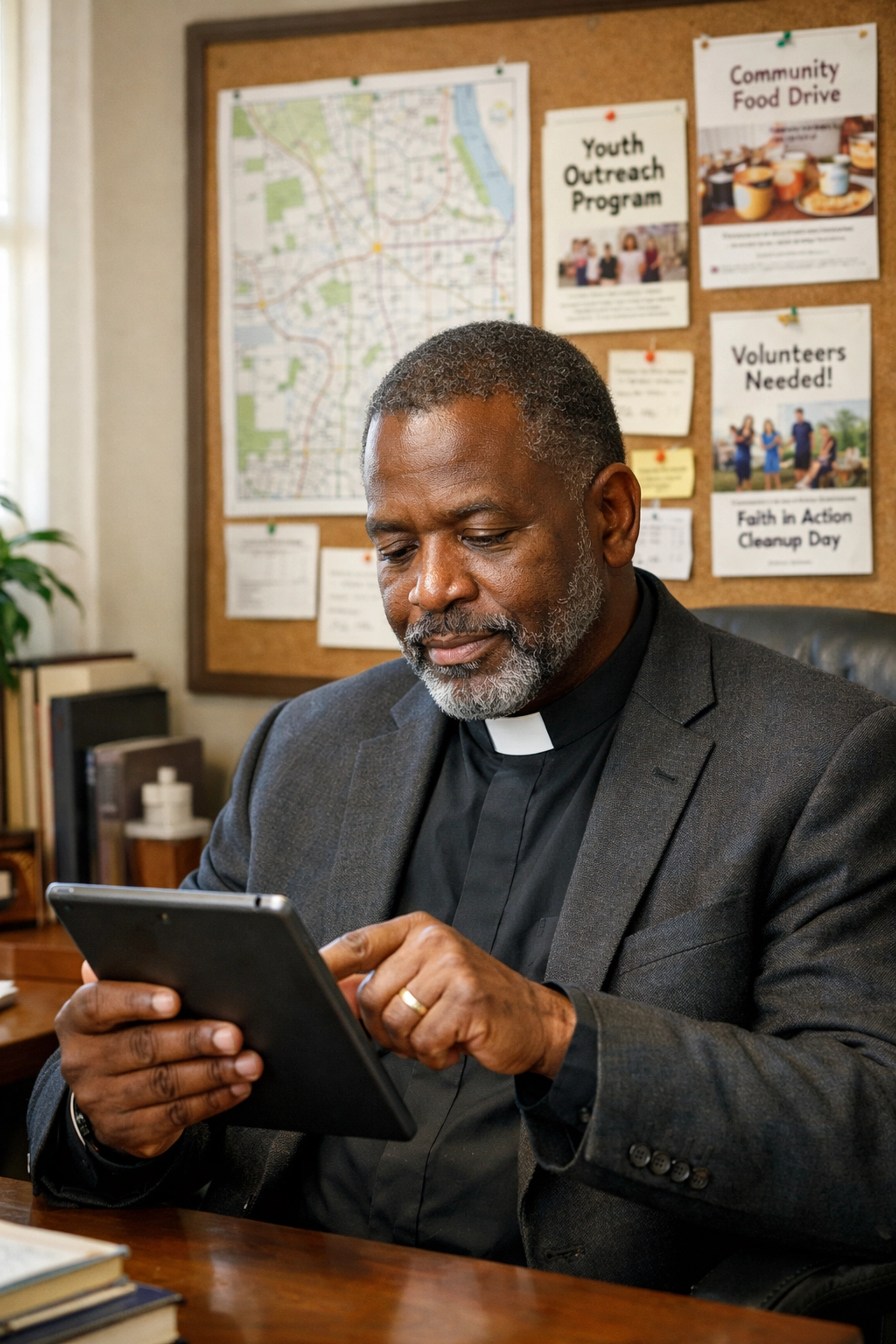
A typical CRM (Customer Relationship Management) tool just tracks donations. But a community-focused CRM tracks relationships. It helps you see which church members own businesses, what skills are available in the pews, and who needs help. When you know who is in your loop, you can start connecting them.
2. Payments That Stay Local
Every time you pay a processing fee to a massive corporation, a little bit of your mission’s "fuel" disappears. By using integrated, faith-aligned payment systems, you keep more of those resources within the ecosystem. It makes local economic reinvestment a digital reality.
3. Automation That Bridges the Gap
Church leaders are busy. You don't have time to manually connect every business owner with every job seeker. Automation allows the system to do the heavy lifting. Whether it’s automatically highlighting a local business in a newsletter or triggering a follow-up for a community wealth-building seminar, tech makes the loop run on its own.
5 Steps to Start Closing the Loop
If you’re ready to move toward a more sustainable church community impact, you don’t have to change everything overnight. Start small.
Audit Your Spending: Look at your church’s monthly expenses. How many of those checks are written to companies outside your community? Can any of those services be provided by a local or minority-owned business?
Map Your Congregation: Do you know who the entrepreneurs are in your pews? Create a directory. Make it easy for members to support each other.
Prioritize Faith-Based Economic Programs: Support initiatives that teach financial literacy and entrepreneurship through a biblical lens.
Adopt the Right Tools: Use a platform that supports your vision. If your software doesn't help you grow your community, it’s just another "leak" in your bucket.
Tell the Story: Let your congregation know why you are doing this. When people see their tithes staying local, they are more likely to give generously and participate joyfully.
A Vision for the Future
Imagine a neighborhood where the church is the center of a thriving, self-sustaining ecosystem. The local cafe stays open because the church holds meetings there. The local tech student gets their first internship at the church office. The church’s digital tools make it all seamless, tracking growth and identifying new opportunities.
This is the power of a closed-loop economy. It’s more than just a financial strategy; it’s a way to steward the resources God has placed in our hands for the maximum possible impact.
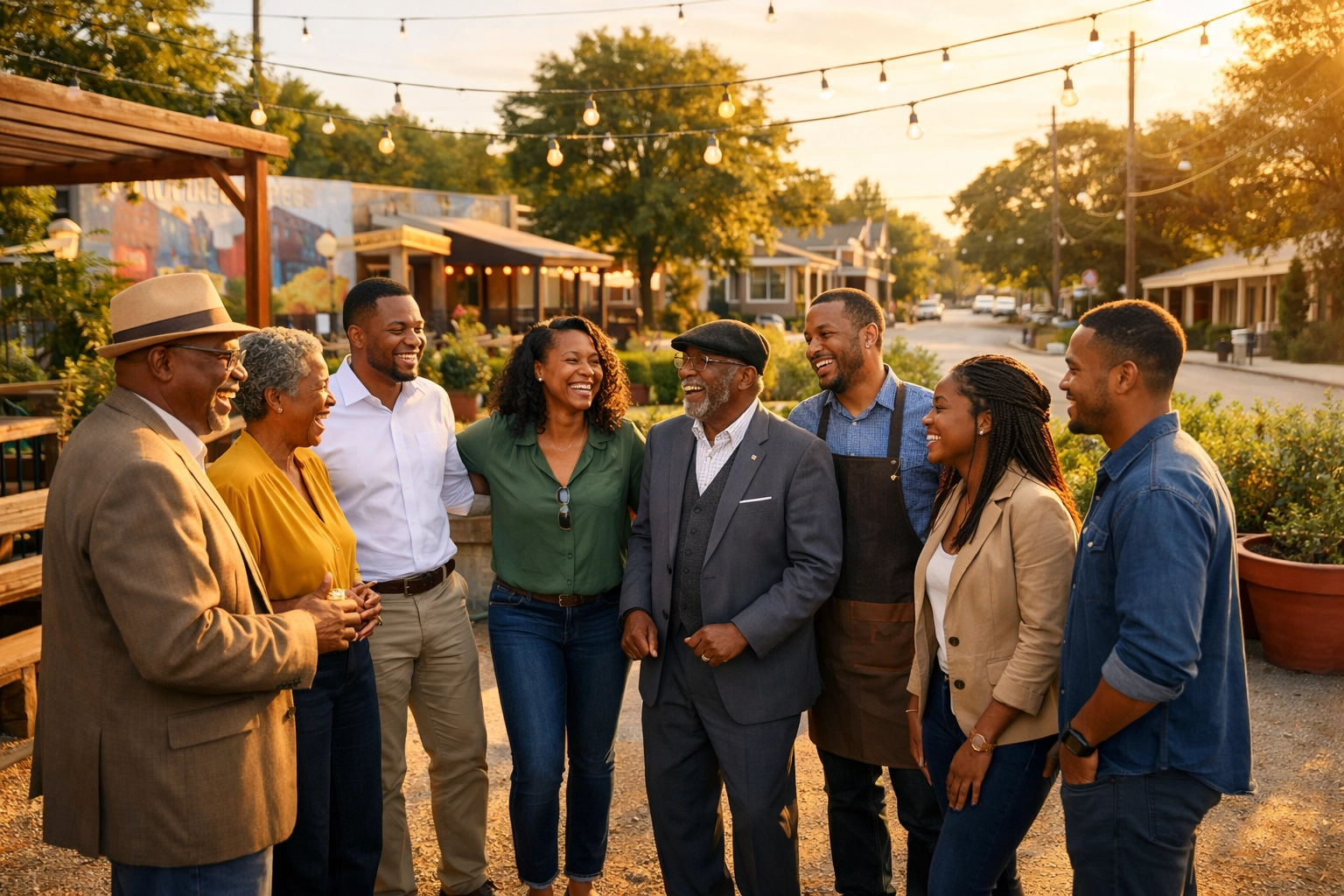
We are living in a time where people are looking for more than just a sermon. They are looking for a community that works. They are looking for a place where their presence and their contributions actually make a visible difference. By closing the loop, you aren't just growing a church; you are rebuilding a community from the ground up.
If you’re ready to see how better tools can help you build a stronger community, learn more about our mission at GSC. We’re here to provide the platform, the payments, and the automation you need to keep your loop strong and your impact growing.
Let’s stop the leaks and start building wealth: together. It’s time for a new kind of stewardship. It’s time for the closed-loop economy.