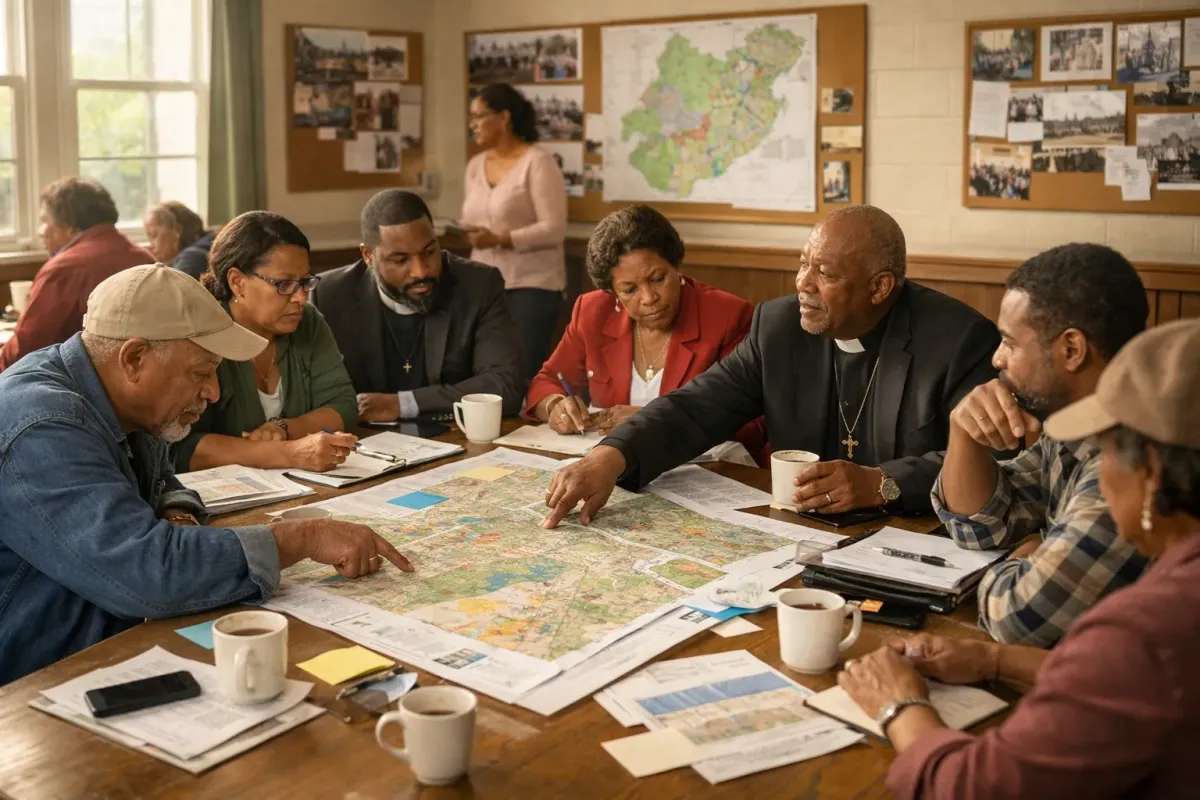
Why Community Decline is a Systems Problem (Not a People Problem)
Why Community Decline is a Systems Problem (Not a People Problem)
![[HERO] Why Community Decline is a Systems Problem (Not a People Problem)](https://cdn.marblism.com/nAqcgvNZ8qw.webp "[HERO] Why Community Decline is a Systems Problem (Not a People Problem)")
Let's talk about something uncomfortable: when a community struggles, high unemployment, crumbling infrastructure, failing schools, we tend to blame the people living there. We point fingers at "lack of motivation" or "poor leadership" or even entire neighborhoods for "not doing enough."
Here's the truth: that's almost never the actual problem.
Community decline isn't a people problem. It's a systems problem. And until we start treating it that way, we'll keep throwing money and good intentions at issues that never seem to improve.
The Real Culprit Behind Community Decline
When you see a community struggling year after year despite countless programs and initiatives, that's your first clue. The problem isn't the residents, it's the system they're operating within.
Systems thinking pioneer W. Edwards Deming spent decades studying organizational performance. His conclusion? About 94 to 97 percent of problems come from the system itself, not the people working within it. Think about that for a second. Only 3 to 6 percent of failures can be traced back to individual mistakes or poor judgment.
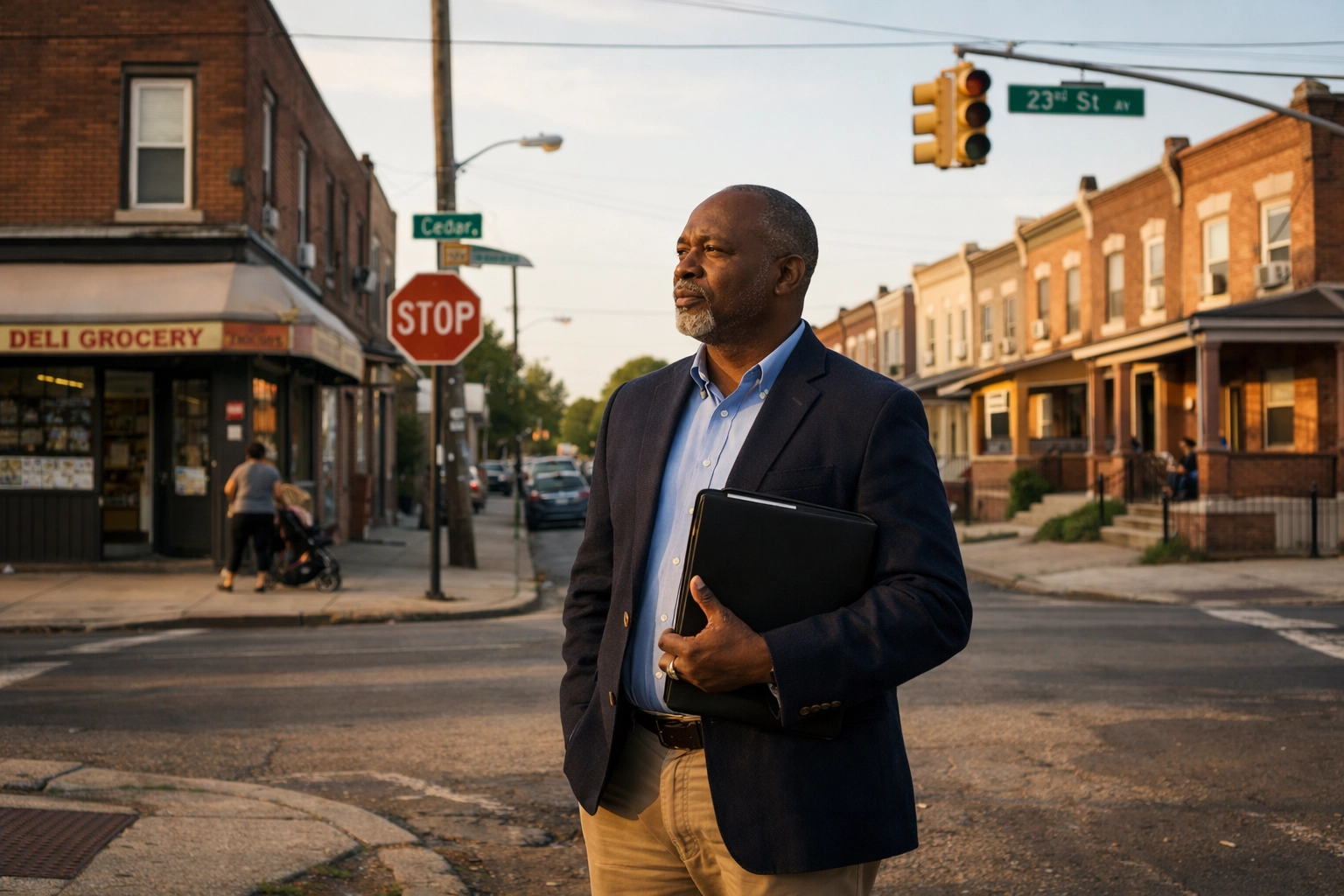
Deming famously said, "a bad system will beat a good person every time." And that's exactly what's happening in struggling communities across the country. You can have the most capable, hardworking, talented people in the world, but if the system they're navigating is broken, they'll struggle to succeed.
Why We Keep Blaming the Wrong Thing
So why do we default to blaming people instead of systems?
It's simpler. Easier. More comfortable.
Pointing at an individual, or an entire community, requires no deep analysis. It doesn't challenge existing power structures or force uncomfortable conversations about how resources flow (or don't flow) through neighborhoods. It's psychologically easier to say "they need to work harder" than to admit "we built a system that makes success nearly impossible for them."
Organizations do it too. Performance reviews focus on individual metrics. We fire leaders when things go wrong. We create programs that put the responsibility for change on residents rather than examining the structures that created the problems in the first place.
But here's what that overlooks: people behave in ways the system rewards. If your system incentivizes resources leaving a community instead of staying local, that's exactly what will happen. If your system makes it easier to get fast food than fresh produce, you'll see health disparities. If your funding model requires constant grant-writing instead of sustainable business development, you'll create dependency instead of empowerment.
The system shapes the outcome far more than individual choices ever could.
The Problem with Band-Aid Solutions
Now let's talk about what this looks like in practice: and why most community development efforts fail.
You've seen it before: the charity event. The food drive. The back-to-school supply donation. The mission trip that paints houses for a week and leaves. These aren't bad things. They come from good hearts and genuine care.

But they don't fix anything long-term.
Here's what happens: Resources come into a community for a brief moment. There's excitement, gratitude, a temporary boost. Everyone feels good about making a difference. Then the volunteers leave. The donated food runs out. The fresh paint starts to chip.
And the underlying systems that created the need in the first place? They're still there. Unchanged. Unchallenged. Still producing the same outcomes.
This is the agitation point we need to sit with: one-off interventions cannot solve systemic problems. You can't charity your way out of structural economic decline. You can't volunteer your way out of broken financial systems. You can't donate your way out of resource extraction that's been happening for decades.
These band-aid solutions make us feel better, but they keep communities dependent rather than empowered. Worse, they perpetuate the myth that if we just give a little more, try a little harder, do one more event, things will change. They won't. Not without addressing the system.
The uncomfortable truth? Many community development approaches extract more than they give. Money comes in through programs but leaves through purchases made at chain stores owned elsewhere. Jobs are created but don't build local wealth. Services are provided but don't develop local capacity.
The loop stays open. The drain continues.
What Actually Works: Systemic Community Development
So what's the alternative? How do we actually solve community decline if band-aids don't work?
We build better systems. Specifically, we build closed-loop economic systems that keep resources circulating locally and create sustainable, long-term growth.
This is the foundation of systemic community development: and it's what the GSC (Growing Strong Communities) model is built on. Instead of treating symptoms, we address root causes. Instead of temporary interventions, we create permanent infrastructure. Instead of dependency, we build capacity.
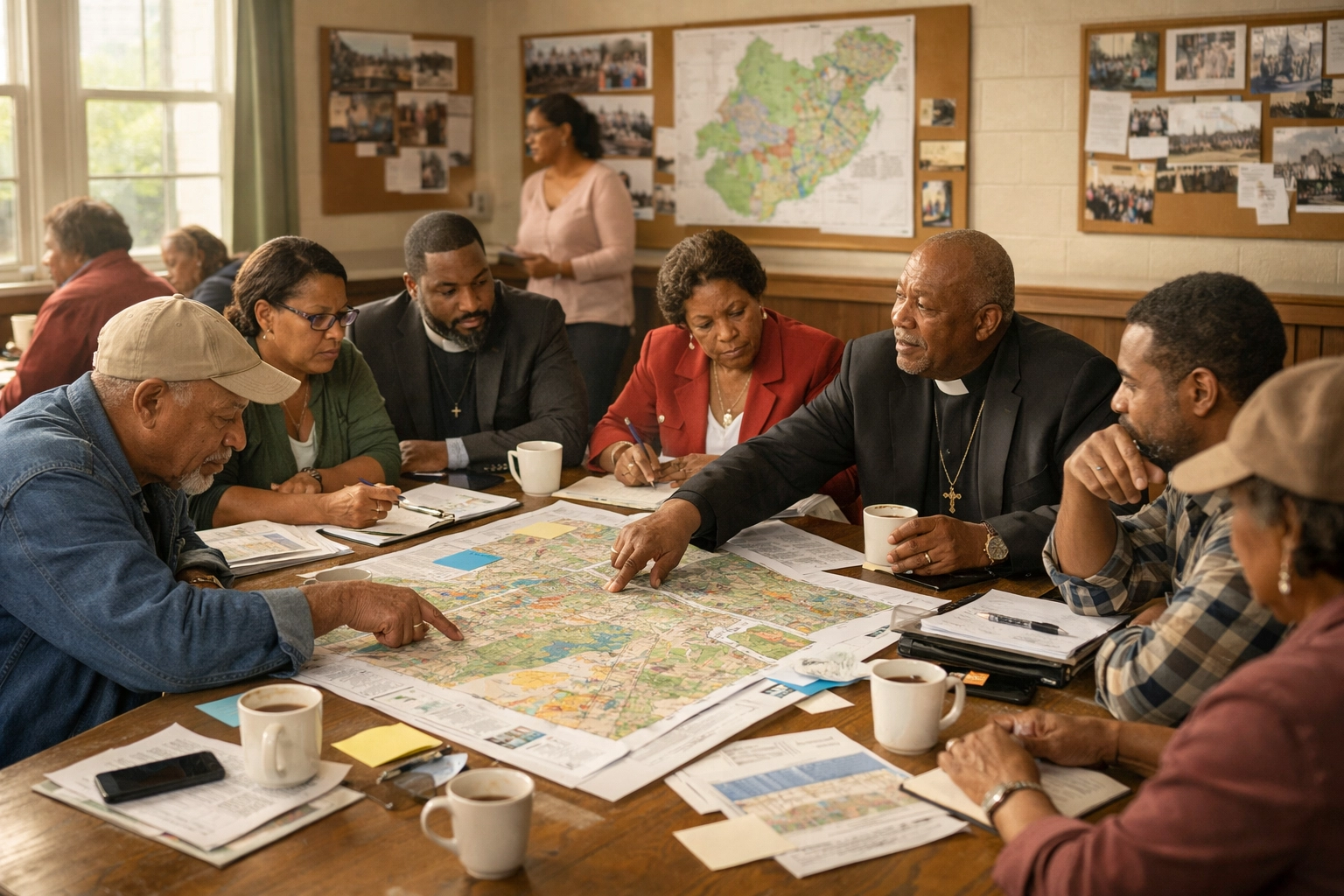
Here's what this looks like in practice:
The Closed-Loop Economy Approach
A closed-loop economy means resources stay in the community. When residents earn money, they can spend it at locally-owned businesses. Those businesses hire local workers and source from local suppliers when possible. The money circulates multiple times within the same square mile before leaving.
This isn't complicated economics: it's common sense. But it requires intentional system design.
The GSC model starts with a defined geographic area: typically one square mile: and asks: what systems need to exist here for sustainable economic health? Then we build them.
That might mean:
Supporting local business development instead of recruiting chains
Creating job training programs connected to actual local employment opportunities
Building financial systems that keep investment capital local
Developing supply chains between community businesses
Establishing governance structures that include resident voices in decision-making
Every piece is designed to reinforce the others. It's not a program you run for two years. It's a system you build to last.
Building Long-Term Success, Not Quick Fixes
Systemic community development requires patience. It means measuring success differently: not by how many people you served last month, but by whether local wealth is actually growing. Not by how many programs you launched, but by whether those programs built sustainable capacity.
It means investing in infrastructure instead of events. Building relationships instead of running campaigns. Creating pathways instead of providing handouts.
This approach recognizes that community members aren't the problem to be fixed: they're the solution to be empowered. The question isn't "what's wrong with these people?" It's "what's wrong with the system they're navigating, and how do we redesign it?"
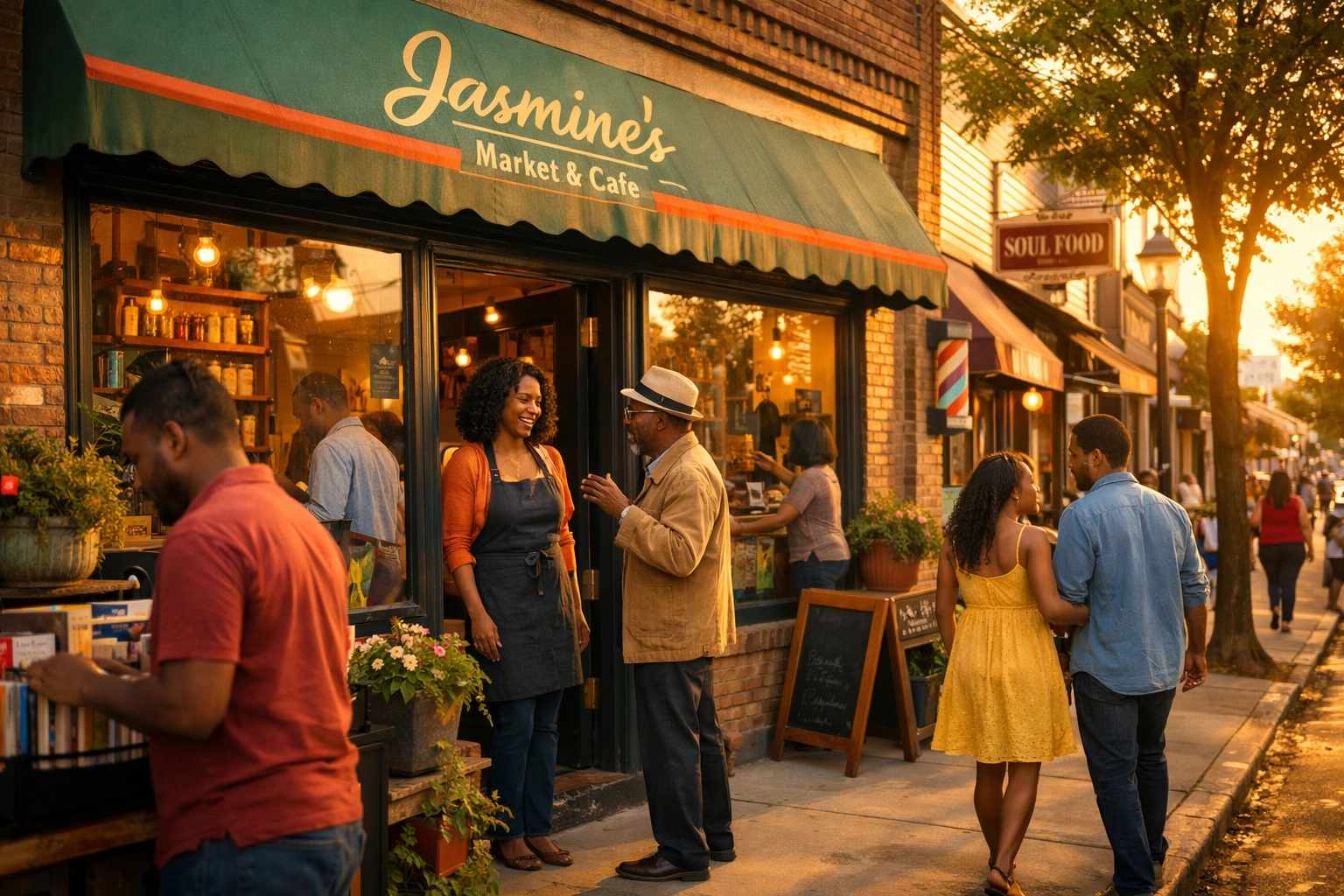
When systems are built right, ordinary people can achieve extraordinary things. When systems are broken, even extraordinary people struggle to succeed. The difference isn't talent or motivation: it's structure.
Making the Shift
If you're working in community development: whether through a church, nonprofit, business, or local government: this is your invitation to think differently.
Stop asking "how can we help these people?" Start asking "what systems need to change?"
Stop planning the next charity event. Start building sustainable economic infrastructure.
Stop measuring outputs like "people served." Start measuring outcomes like "local wealth created."
The communities you care about don't need more sympathy. They need better systems. They don't need to be rescued. They need the structures that make self-sufficiency possible.
That's the shift from treating symptoms to healing root causes. From temporary relief to permanent transformation. From doing things for communities to building systems with them.
Ready to Build Systems That Work?
Community transformation doesn't happen by accident. It happens when we intentionally design systems that support local growth, build long-term wealth, and create sustainable opportunities.
If you're tired of seeing the same problems persist despite endless good intentions, it might be time to take a systemic approach. The GSC model provides the framework, tools, and support to build closed-loop economies that actually work.
Want to learn more about how systemic community development could work in your area? Explore the GSC approach and see what's possible when you fix the system, not just the symptoms.
Because the people in your community were never the problem. The system was. And that's actually good news( because systems can be changed.)
